Last updated November 23, 2026
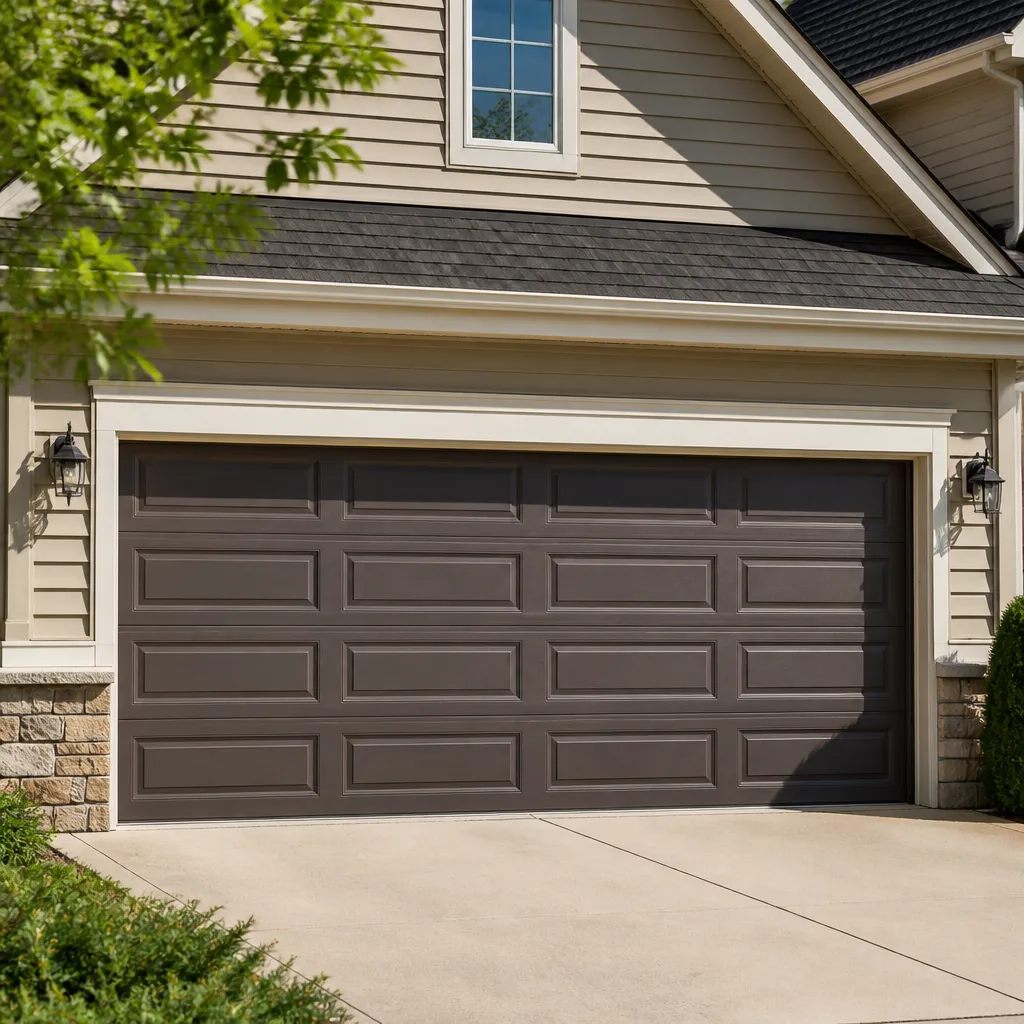 Raised-panel steel
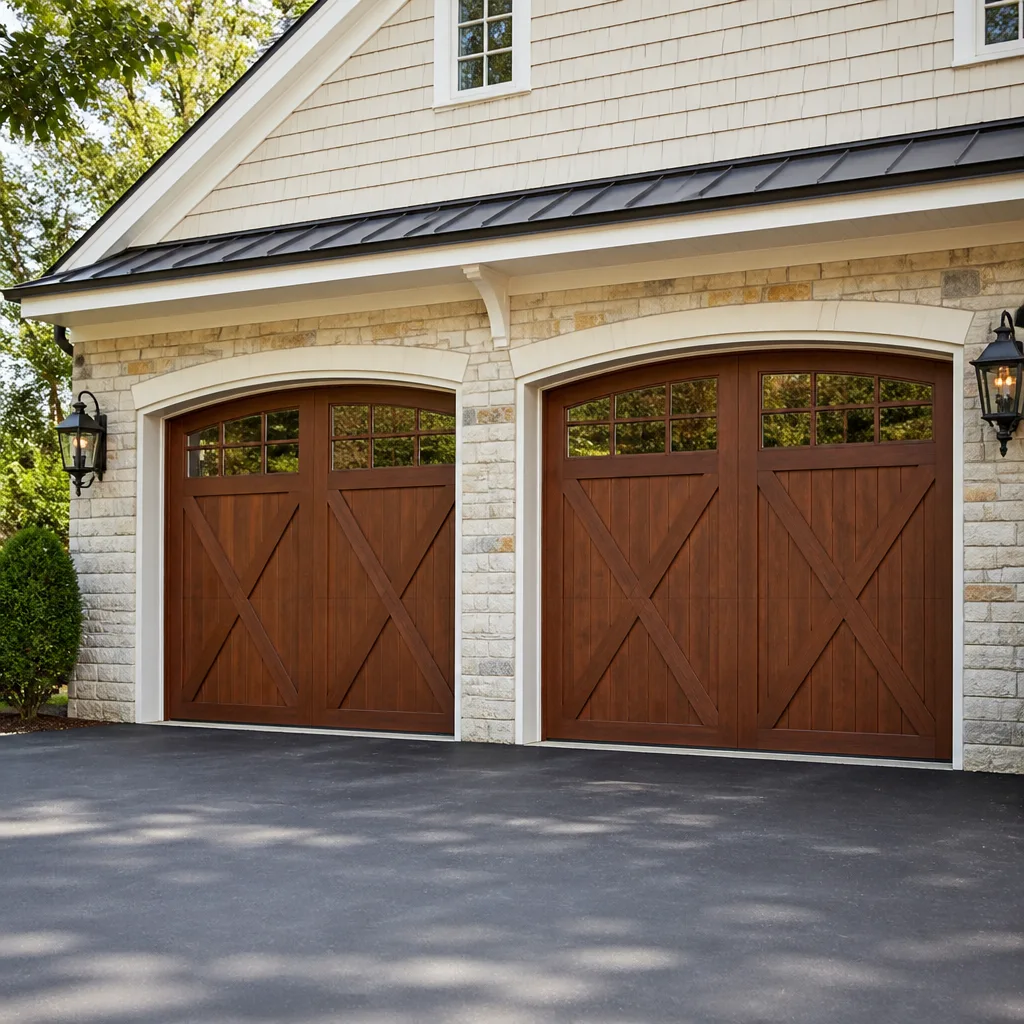 Carriage house
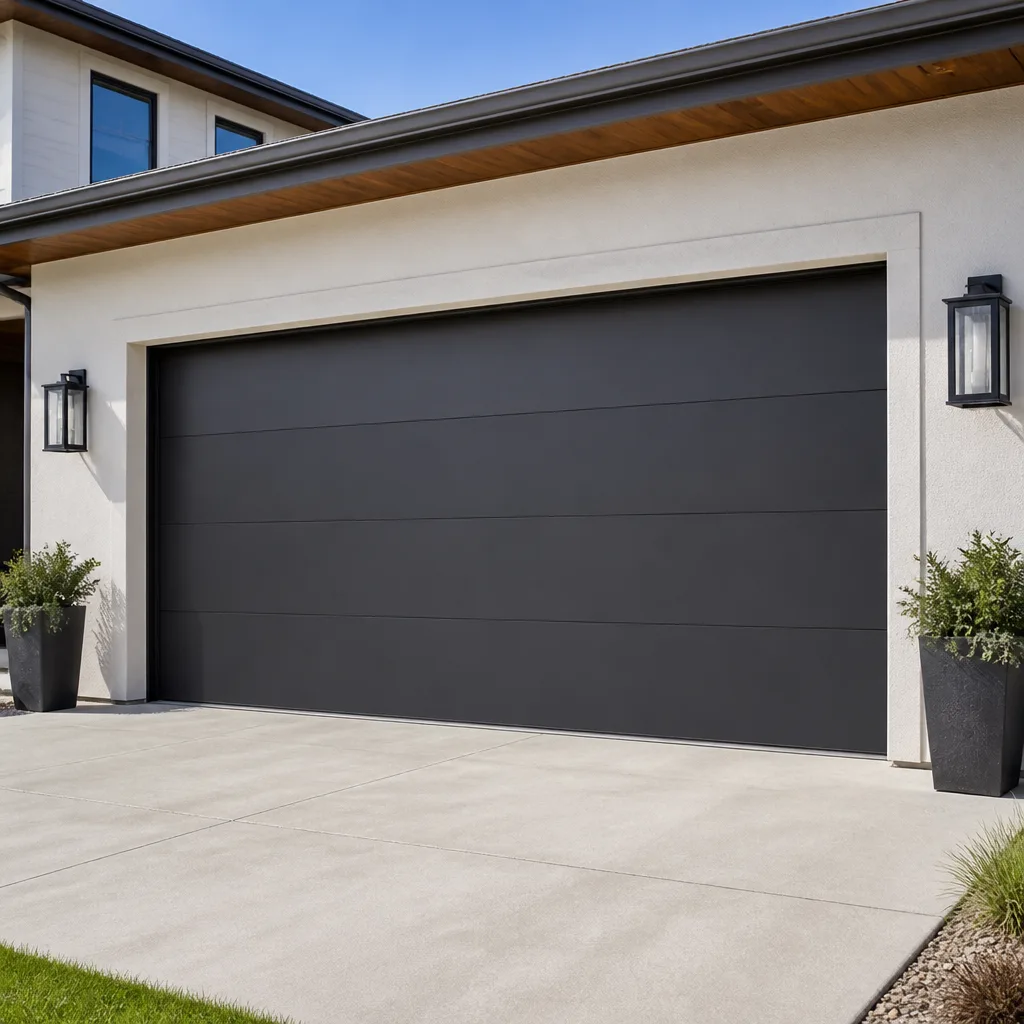 Modern flush
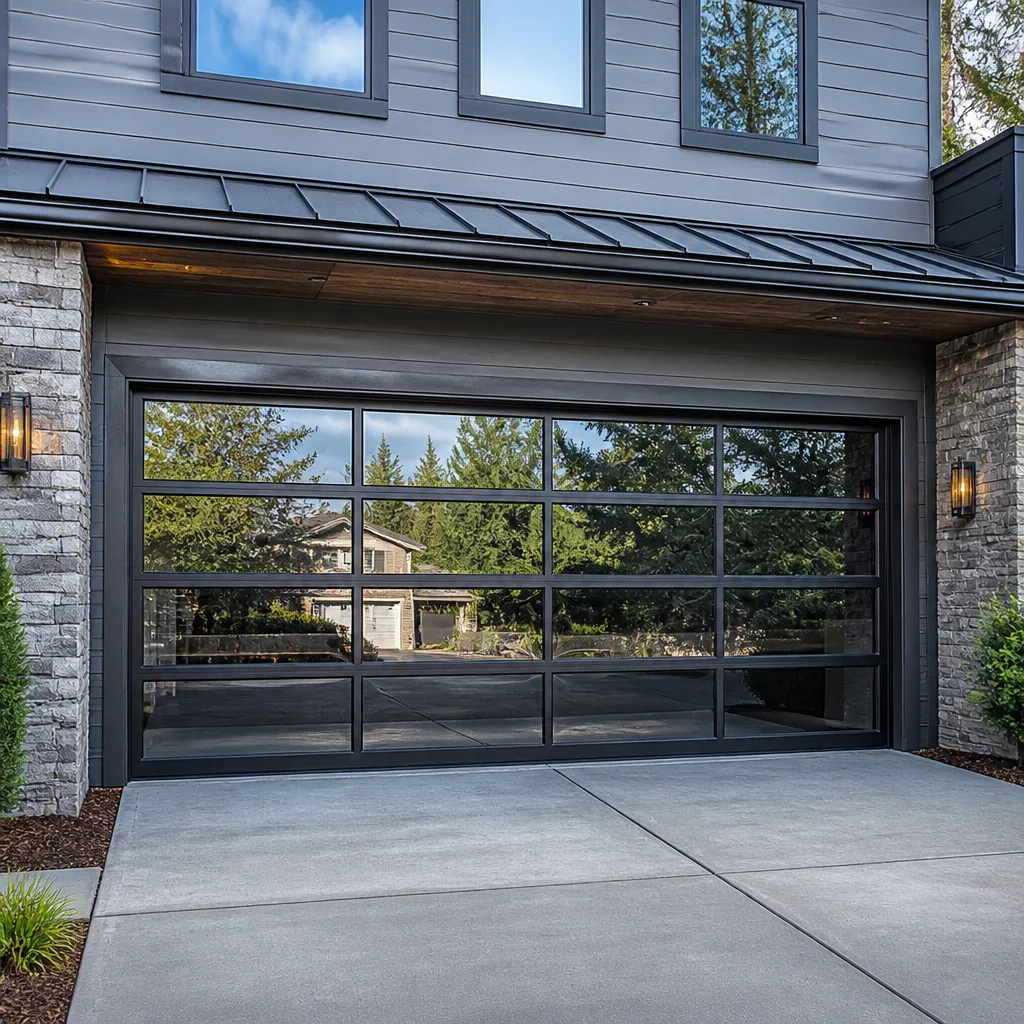 Full-view glass
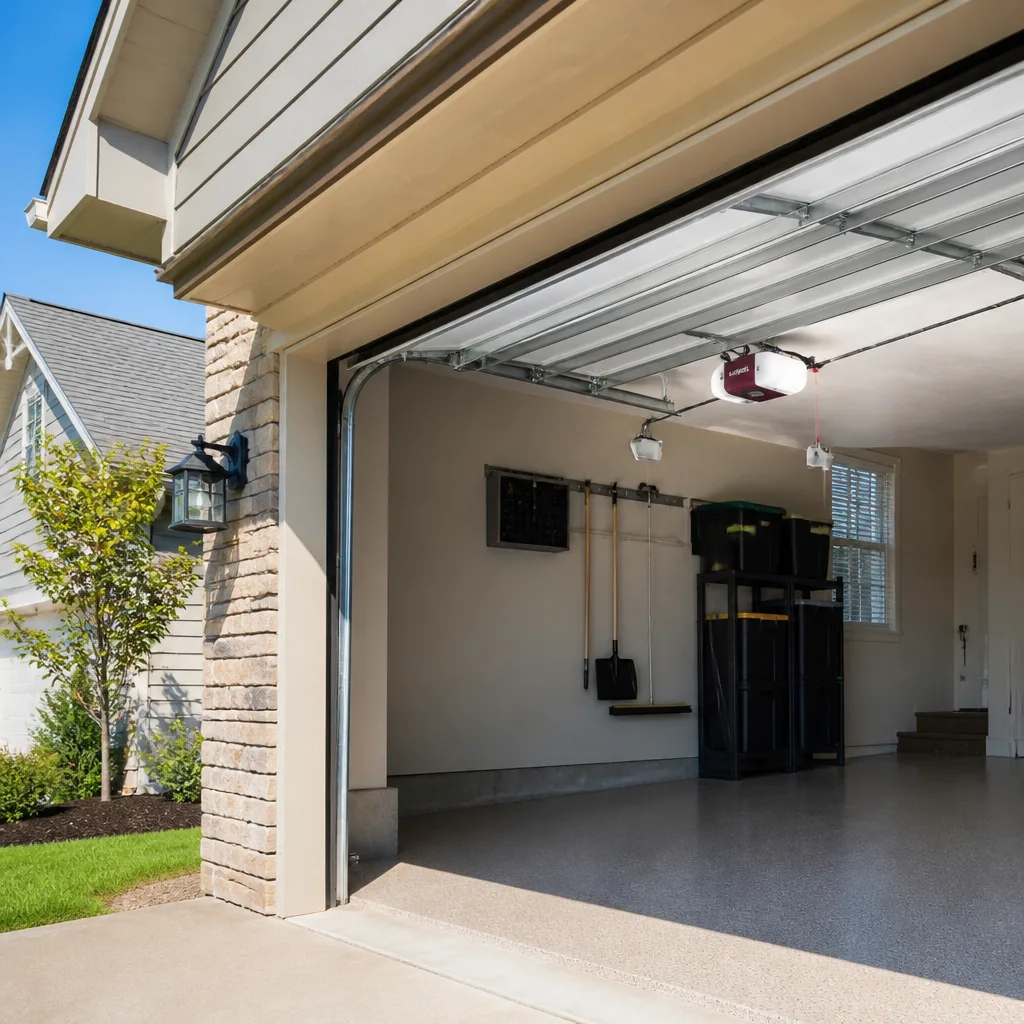 LiftMaster openers
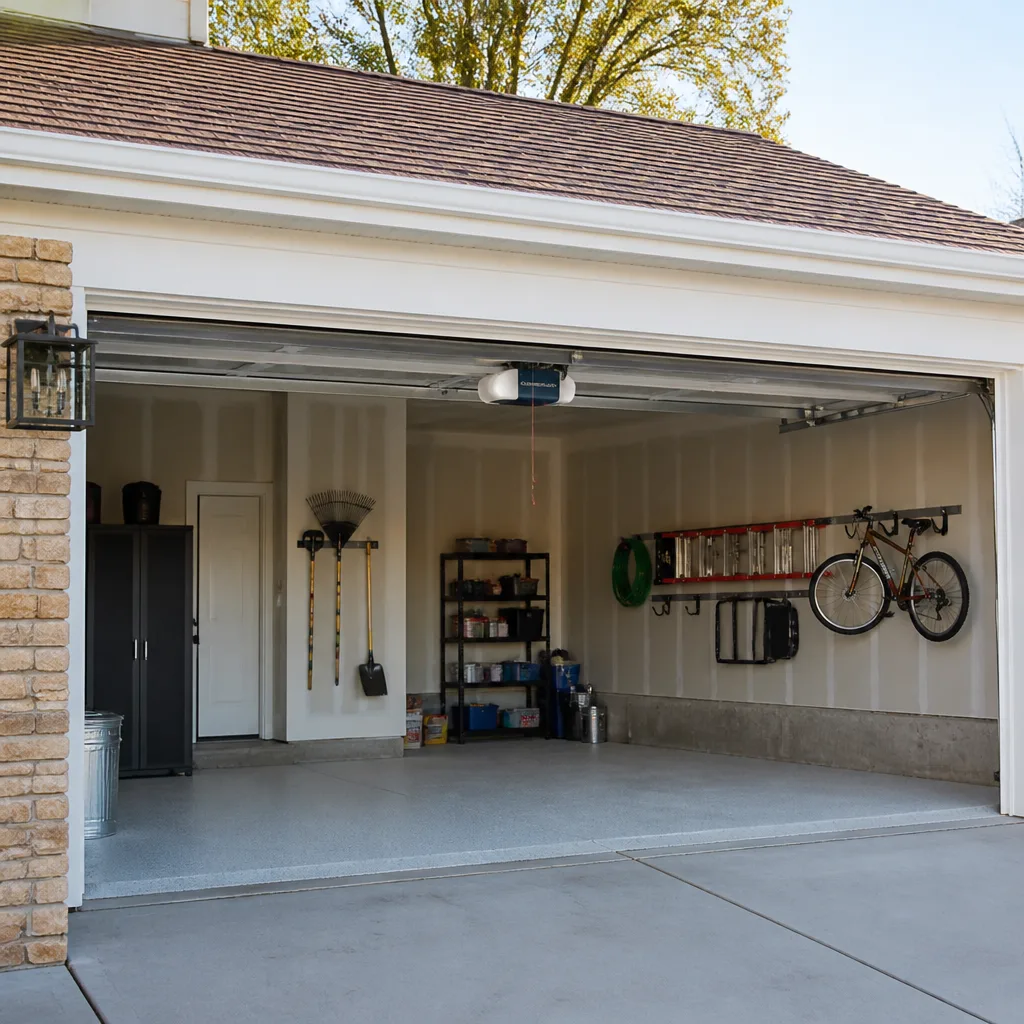 Chamberlain openers
Full 25-point door and opener safety check with every visit - springs, cables, rollers, tracks, and your LiftMaster or Chamberlain opener included
You get a price before we start. It does not change when the pro arrives.
Get your free estimateGarage Door Warning Signs: A Woburn Homeowner’s Reference Guide
A grinding noise and a slow response time are both “warning signs” – but one of them can wait until Thursday, and the other one means you shouldn’t close the door again until a technician looks at it. Most warning-sign articles flatten every symptom into the same urgent list, so homeowners either ignore all of it or panic over a loose weather seal. We wrote this guide to fix that. You’ll learn a three-tier urgency system for sorting what you’re hearing and seeing, how to tell a cheap fix from an expensive one when the sounds are nearly identical, and exactly what to say when you call. We work on doors across Woburn every week, and this is the reference we’d hand a neighbor.
Styles & brands we work with
- Raised-panel steel
- Carriage house
- Modern flush
- Full-view glass
- LiftMaster openers
- Chamberlain openers
Quick Answer
Treat any visible cable fraying, a door that moves crooked in its tracks, or a visible gap in a torsion spring as an immediate stop – don’t run the door again until a technician inspects it. Treat a slower close time, brief reversal without an obstruction, or grinding at the same point in travel as “schedule within the week.” Small seal gaps, minor steel paint chips, and occasional remote lag are watch-and-log signs you can track for a while. Spring and cable work belongs to trained professionals; those parts hold serious mechanical tension.
Table of Contents
- The Three-Tier Urgency System for Garage Door Problems
- Tier 1: Stop Using the Door Right Now
- Tier 2: Schedule Service Within the Week
- Tier 3: Watch and Log
- How to Tell a Cheap Fix From an Expensive One
- How Woburn Weather and Housing Shape What Fails
- What to Tell the Technician When You Call
- Why the Brand and Part Number Matter
- Common Mistakes to Avoid
- When to Call a Professional
- Frequently Asked Questions
- The Bottom Line
The Three-Tier Urgency System for Garage Door Problems
Most garage door problems fall into one of three buckets, and the skill is sorting them correctly. A door that’s dangerous to operate, a door that’s degrading, and a door that’s just showing normal wear all sound and look surprisingly similar at first glance. Our technicians have up to 10 years of experience, and the first thing they do on any call is decide which bucket the symptom belongs in. You can do the same thing with a few careful observations.
Here’s the framework, at a glance:
- Tier 1 – Stop. Anything involving cables, springs, track alignment, or one-sided movement. The door stays put until a trained professional inspects it. These parts sit under high mechanical tension, and a failure can be violent.
- Tier 2 – Schedule soon. A working door that’s getting worse: slower travel, intermittent reversal, grinding at a specific point, an opener that strains. It’s usable, but it’s telling you something is wearing out.
- Tier 3 – Watch and log. Cosmetic wear and minor performance quirks: seal gaps, paint chips on steel panels, the occasional remote that doesn’t catch on the first press. Note it, watch for changes, and address it when it’s convenient.
The reason this matters in Woburn specifically is that our winters are hard on the system. Cold tightens steel, stiffens grease, and makes already-marginal parts fail faster than they would somewhere warmer. A Tier 3 symptom in July might climb to Tier 2 by the first hard freeze. Logging what you see and when you see it gives you a real trend line instead of a vague memory. If you’re ever unsure which tier a symptom belongs in, the safest move is to treat it as the higher one until someone who knows the parts has looked at it.
Why we sort by part, not by noise
Noise is a poor sorting tool because a cheap worn roller and a failing torsion spring can produce almost the same complaint. What sorts reliably is which part is involved. Cables and springs are Tier 1 no matter how quiet they are. Rollers and hinges are usually Tier 2 or Tier 3 no matter how loud. When you call, lead with the part you suspect, not the volume of the sound. That one habit is worth more than any list of “weird garage door noises.”
Tier 1: Stop Using the Door Right Now
These are the signs that mean the door should not run again until a technician has inspected it. None of them are a “keep an eye on it” situation. Spring and cable failure is a safety issue, not just an inconvenience – those parts are under heavy tension and can cause serious injury when they let go.
What Tier 1 looks like, described in plain terms:
- Visible cable fraying. Look at the thin steel cables running along each side of the door. A healthy cable is a clean, continuous strand. A frayed one has loose wires poking out – a small “fuzz” or brush of broken strands near an end or along the run. That cable is on its way to snapping and needs to be replaced, not tightened.
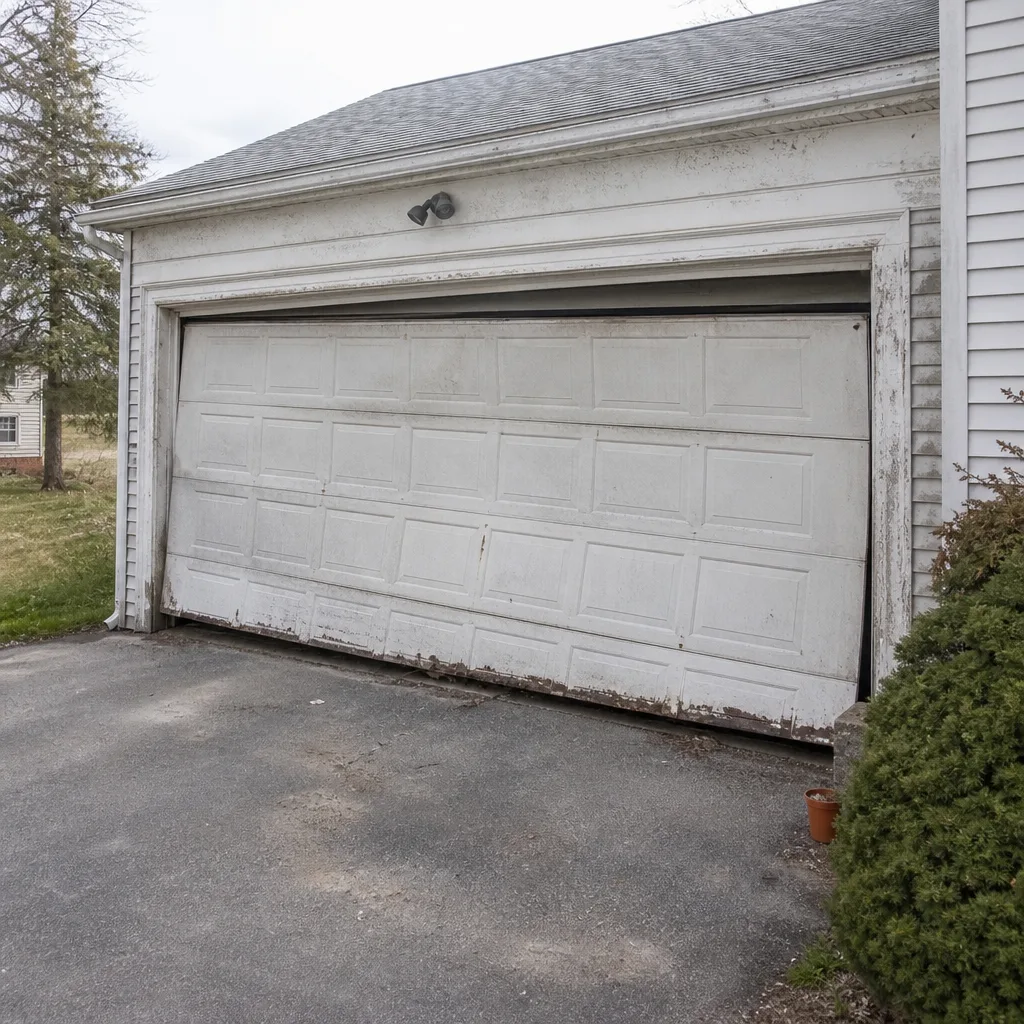
- One-side movement. Watch the door from directly in front as it goes up. If one side leads and the other lags, if the top edge sits visibly lower on one side, or if the door looks tilted or crooked in its tracks, stop. A door out of alignment can come off its track and fall.
- A gap in a torsion spring. If your door has the horizontal spring mounted on the shaft above the door (a torsion system), look along it. A healthy torsion spring is one continuous coil. A visible open gap between coils means the spring is broken or breaking. Don’t run the door, and don’t try to wind or unwind it.
- A loud bang followed by a dead door. A torsion spring snapping sounds like a gunshot in the garage. If you hear it and the door no longer lifts, that’s a broken spring. Stop.
- The door came down and hit something or landed hard. Stop using it and have the balance and safety settings checked before it operates again.
For any of these, we treat it as urgent. A door stuck open is a security problem; a door stuck closed traps a car. garage door spring repair is a safety-critical specialty – trained technicians work under that high tension so you don’t have to. If you’re in Woburn and you’re looking at a frayed cable or a gap in a spring, don’t cycle the door to “test” it. Call and describe what you see.
Tier 2: Schedule Service Within the Week
Tier 2 signs are a working door telling you something is wearing out. Nothing here is an emergency, but ignoring them turns a moderate repair into a bigger one. The pattern to watch for is anything that’s slower, rougher, or less predictable than it used to be.
Common Tier 2 observations:
- Increased close or open time. The door takes noticeably longer to travel than it used to, or the opener sounds like it’s straining to move it. A door that used to take a brisk moment and now labors points to drag – worn rollers, dry hinges, or an opener working too hard.
- Partial reversal without an obstruction. The door starts down, stops, and goes back up – but there’s nothing in its path. That can be a safety-sensor problem, a misadjusted limit on the opener, or a binding door. It gets worse over time and eventually the door stops closing reliably.
- Grinding at a specific point in travel. The door is quiet at the bottom, grinds at one spot going up, then goes quiet again. That “repeatable grind” usually maps to a specific worn roller, hinge, or a bent track section. Identifying where the grind happens is half the diagnosis.
- The opener doesn’t hold. Remotes that need multiple presses, the wall button that only works sometimes, or the opener that opens but won’t close. That’s usually electronics and belongs with garage door opener repair rather than the door itself.
- Uneven balance. The door is heavy to lift by hand, or won’t stay put when you stop it halfway. Balance problems are typically spring or torsion tension and should be looked at by a technician, not “adjusted” at home.
For Tier 2 problems, the call is about getting on the schedule and getting a straight diagnosis – not an emergency response. Give the office the specific observation (“grinds at the top, always the same spot”) rather than “it’s making a noise,” and the visit is faster. If it’s a Woburn door and you’re unsure whether the symptom is Tier 1 or Tier 2, err on the cautious side and describe it in full; the person on the phone can help you decide how soon to book.
Tier 3: Watch and Log
Tier 3 is real wear, but it isn’t urgent. These are the observations worth writing down and tracking so you catch the day they start to climb into Tier 2. Logging is the whole point of this tier – a symptom with a date on it is far more useful than a vague “it’s been doing that for a while.”
What belongs in Tier 3:
- Minor weather seal gaps. Daylight peeking under the bottom seal or small gaps at the sides. Depending on the gap, a new bottom seal is a small job. Watch for the gap widening; a wide bottom gap on a Woburn door in winter lets cold air and meltwater in.
- Small paint chips on steel panels. Steel doors chip; chips expose the steel to moisture, which is where rust starts. Note where the chips are. North-facing or road-facing panels often chip and rust first.
- Occasional remote lag. The remote works, but sometimes it takes a second press. That can be battery, signal, or the opener’s receiver. Keep a note of frequency – once a month is a battery or antenna issue, several times a day means it’s time to have the opener looked at.
- A slightly noisier door than last year. If the door is louder than it once was but still moves smoothly, worn rollers or dry hinge points are likely on the way. Note it and plan for it as part of routine attention.
- Interior rust around the bottom of a steel door. A little rust at the bottom edge is common on steel doors in cold, wet climates. Catch it early and it’s cosmetic. Let it go and it becomes panel replacement.
If any Tier 3 item changes – gets louder, wider, more frequent – that’s your cue to move it up to Tier 2 and schedule a look. We don’t need a calendar reminder to tell you it’s time; you’ll see the change in your own notes. For fairly simple wear that hasn’t turned into a problem, a standard garage door repair visit is usually a quick, straightforward job.
How to Tell a Cheap Fix From an Expensive One
Two doors can make nearly the same rumbling, grinding noise and need completely different repairs. One needs a handful of cheap worn rollers; the other needs the spring assembly rebuilt. Knowing how to tell them apart before you call helps you understand the estimate instead of dreading it.
Here’s the practical way to differentiate:
- Location of the noise. Nylon or steel rollers live on the hinges at the edges of the door; they squeak, rattle, or grind as they run through the track. The torsion spring sits on a shaft above the door; a spring problem often sounds like a single loud pop or a twang, and the door stops moving normally. If the noise comes from the sides as the door glides, it’s likely rollers. If it comes from above and the door won’t operate evenly, look at the spring.
- Behavior vs. sound. A door with worn rollers still travels all the way up, just noisily. A door with a failing spring often won’t lift under its own power, jumps, or stalls. Sound alone is misleading; pairing the sound with the door’s travel catches it.
- The “test it by lifting” check. With the opener disconnected, lift the door halfway by hand. If it’s heavy and won’t stay put, that’s tension – spring or torsion territory, not rollers. If it’s smooth but noisy, rollers and hinges.
- Repeatable vs. random. A grind at exactly one spot every cycle usually means one worn part (often a roller or hinge). A random, unpredictable grind or binding could mean a worn track. Tracks and springs are more involved than rollers.
For context on the size of each job: roller and hinge work is typically the smaller part of any repair bill; spring and torsion work is the larger, since it involves carefully relieving and resetting tension. Typical pricing for these jobs varies by the door and the part, so we always put the number in writing before any work begins – the written estimate is the price you pay, and there’s no surprise at the end. If your log says “rolls rough” and you’re in Woburn, it’s worth getting a quick diagnosis; if it says “loud pop and won’t lift,” read the Tier 1 section and stop running the door.
How Woburn Weather and Housing Shape What Fails
Garage doors fail differently depending on where they live. A Woburn door sees cold winters, freeze-thaw cycling, and wet spring melts that a door in a milder climate never faces. That shapes which parts wear first and how fast a Tier 3 observation can climb to Tier 2. Understanding the climate link helps you know what to watch for as the seasons turn.
What this looks like in practice for Woburn homes:
- Cold stiffens everything. Steel contracts and grease thickens in a hard freeze. Springs and cables carry the load, and cold makes them less forgiving. A spring that fails in July was often already on the edge in January. Rollers stiffen too, which is why doors can be noisier in the coldest weeks.
- Freeze-thaw works on the bottom seal and panels. Meltwater at the base of the door freezes, then thaws, then freezes – a slow flexing cycle that opens seals and starts rust at the bottom edge of steel doors. Woburn driveways that slope toward the house make this worse, as does any snow piled against the bottom panel.
- Older New England garages. Woburn has many homes with attached or detached garages where the door and opener were installed years ago and are still in service. Older doors are perfectly capable, but aged parts like springs and cables are exactly what fails. A maintenance check on a mature door finds the worn part before it breaks.
- Road salt and wet boots tracked in. That traffic brings moisture and grit near the bottom of a door. It’s a small contributor, but it adds to rust on the bottom panel and wears the bottom seal faster.
- South-facing vs. north-facing doors. A north-facing door stays colder and wetter longer through a Woburn winter; a south-facing one takes the sun’s freeze-thaw swings. Both matter, and both show up in how quickly the paint chips on steel panels.
The counterintuitive point is that the best time to catch a spring or cable problem is before it breaks – the off-season, not the first hard freeze. If your log shows “noisier than last year” going into winter, that’s the moment to get it checked, not after the door stops. If you’re in Woburn and your door is older and you’re not sure of its history, a straightforward inspection tells you where it stands. That’s a normal part of living with a garage door in this climate.
What to Tell the Technician When You Call
The quality of what you say on the phone determines how fast the diagnosis goes. A specific description of the symptom – which side, which part of the travel, what changed recently – lets the technician arrive already knowing where to look. A vague “it’s making a noise” starts the visit from zero. Here’s what actually speeds things up.
- Say which part made the noise. “It grinds near the top of the track on the left as the door goes up” beats “the door is loud.” If you aren’t sure, say where you heard it from – in front, from above, near the bottom.
- Tell me if the door still moves correctly. Does it open all the way? Close all the way? Go crooked? Stalling and crooked movement are prime information; noise volume isn’t.
- Name the brand if you know it. Clopay and Amarr doors are common, and LiftMaster, Chamberlain, and Genie openers are everywhere. If the label or the remote is handy, read it off. Brand tells us the system type and helps us bring the right part.
- Describe what changed and when. “It was quiet in the summer, got noisy in the cold snap” is a real clue. A recent change points to what changed. An ongoing trait is different.
- Say if anything is visibly out of place. A frayed cable, a gap in a spring, a door ajar on one side. That one detail can move you straight to Tier 1 and save the conversation.
- Mention how the door is currently stuck, if it is. Stuck open or stuck closed – both are urgent, but they change what the technician brings and how they plan the visit.
The single most useful habit you can build is keeping a quick note of what changed and when. For instance: “grinding at the top track, started after the cold snap, door still opening, no visible damage.” That short note, read to us, gets us to the right part faster than any long description of sound. Our technicians have up to 10 years of experience and have heard every version of “it’s making a noise” – the specifics are what make the visit efficient.
Why the Brand and Part Number Matter
Garage door systems are not universal. An opener’s logic board, a remote, a photo-eye, and even a spring’s wind direction are matched to specific systems. Knowing the brand is the difference between “right part, right brand, right fix” and a generic repair that fails again in a few months. That’s why we list the brands we know rather than say “all brands.”
We’re factory-familiar with eight major brands – LiftMaster, Chamberlain, Genie, Clopay, Amarr, Wayne Dalton, Craftsman, and Raynor – and each one has its own quirks. A Genie opener and a Chamberlain opener don’t share parts or wiring logic; a Clopay door and an Amarr door can both be steel, but the panels and hardware don’t interchange. The brand on your door or opener tells us what kind of safety system it uses, how the springs are tensioned, and which parts we’ll need to bring.
That matters on the phone too. If your remote is a Genie, mentioning it tells us which receiver family we’re dealing with on an opener repair call. If your door is Clopay or Amarr, that’s useful when the question is panel or bottom-seal replacement. We don’t need you to look it up if it’s not handy – but if there’s a label, a manual, or a remote in front of you, a quick read of the brand name is worth the effort. One call covers the diagnosis, the part, and the repair across every brand we work on, so you’re not chasing a second vendor for a matched part.
Common Mistakes to Avoid
- Testing a Tier 1 door “just one more time.” Cycling a door with a frayed cable or a gap in a torsion spring risks a sudden failure. Stop and call – the door doesn’t need to be proven dangerous to be dangerous.
- Treating a weird noise as all-or-nothing. The danger of a symptom list without urgency tiers is that homeowners either jump on a harmless squeak or shrug off a broken spring. Use the three-tier system to sort it, not to panic or ignore.
- Assuming “it’s just the rollers” without checking. Worn rollers and a failing spring can sound alike. The travel behavior of the door, not the sound, tells you which it is. Test a door’s balance before deciding it’s a cheap fix.
- Letting a small seal or paint issue sit through a Woburn winter. A small gap under the bottom seal becomes a wet, freezing problem, and a paint chip becomes rust on a steel panel. Tier 3 doesn’t mean forever – it means watch and log, and act before the season turns.
- Ignoring the opener because the door still opens. A straining opener that still works is telling you it’s overloaded or the door is binding. Pinpointing it now saves the opener from an early replacement.
- DIY-ing a torsion spring or cable. These parts are under high mechanical tension and are not a weekend project. A sudden release on a Woburn door in a cold garage is exactly the kind of injury a trained technician exists to prevent.
- Calling with “it’s making a noise” and nothing else. Name the part, the side, the point in travel, and what changed. It’s the difference between a fast diagnosis and a guessing visit.
When to Call a Professional
Call a professional when you’re looking at any Tier 1 sign – a visible cable fray, a door crooked in its tracks, or a gap in a torsion spring – and call immediately if the door is stuck open or stuck closed. Call within the week for Tier 2 problems: slower travel, partial reversal without obstruction, or a grind that repeats at the same spot. And call for a scheduled look when a Tier 3 note changes. Our technicians have up to 10 years of experience with the parts and the brands, and spring and cable work belongs in trained hands. Woburn Garage Door Repair Pros offers free estimates in Woburn – call (877) 792-5970 to book a visit, and have your observations ready. For most Woburn homeowners, one call covers the diagnosis and the repair.
Frequently Asked Questions
A garage door problem is an emergency if it involves a frayed cable, a door moving crooked or off its track, or a visible gap in a torsion spring – stop using the door right away. A door stuck open is a security problem; a door stuck closed traps a car. In any of these cases, call and describe what you see. If you’re unsure, call (877) 792-5970 and the person on the phone can help you sort it.
Most warning signs point to a repair, not a replacement. A noisy roller, a strained opener, a worn bottom seal, or a frayed cable is a parts-and-labor job on a door that otherwise has years left. Replacement usually comes up when the door is damaged beyond repair or its springs and hardware are worn across the board. A technician can tell you which it is during the estimate.
A grind that repeats at exactly one point nearly always maps to a specific worn part – most often a roller or hinge, or a slightly bent section of track. A random, unpredictable grind points more toward a track or balance issue. Note exactly where in the travel and on which side, and mention it when you call. That detail saves diagnostic time, so tell us “grinds at the top left” rather than “it’s loud.”
It’s safe only if the problem is Tier 2 or Tier 3 – a working door that’s noisy, slower than it used to be, or cosmetically worn. If you’re looking at a Tier 1 sign, don’t operate the door at all. When in doubt, treat it as Tier 1 and leave the door closed until a professional inspects it.
A door stuck open is urgent because the garage is exposed to weather, pests, and theft. Call and tell us it’s stuck open. We treat stuck open and stuck closed with the same urgency – both are access and security problems, and both get a scheduled visit as soon as we can get a technician to you.
Spring repair pricing depends on the door, the type of spring (torsion or extension), and how many springs are being replaced – a common setup replaces a matched pair together. We won’t quote a firm number over the phone because the right estimate comes from looking at the actual parts. Call (877) 792-5970 for a free estimate, and the written quote is the price you’ll pay before any work begins.
The Bottom Line
The point of a warning-sign guide is not to scare you into calling for every squeak. It’s to help you sort what you’re seeing into the right tier so you know what to do next. Cable fraying, one-side movement, and a gap in a torsion spring are stop signs – don’t run the door. Slower travel, partial reversal, and repeatable grinding are get-on-the-schedule signs. Seal gaps, paint chips, and remote lag are watch-and-log signs. Log what changes, name the part when you call, and you’ll get a faster diagnosis and a straight, upfront price. For anything in Woburn that feels like a Tier 1 problem, call us and we’ll take it from there.
To book a visit or get a free estimate, call Woburn Garage Door Repair Pros at (877) 792-5970. Whether you’re looking at a noisy roller, a strained opener, or a door that won’t move, we diagnose the part, match the brand, and repair the problem across every system we work on. Have your notes ready – the more specific the observation, the faster we can help.
Written by the team at Woburn Garage Door Repair Pros.
See the difference
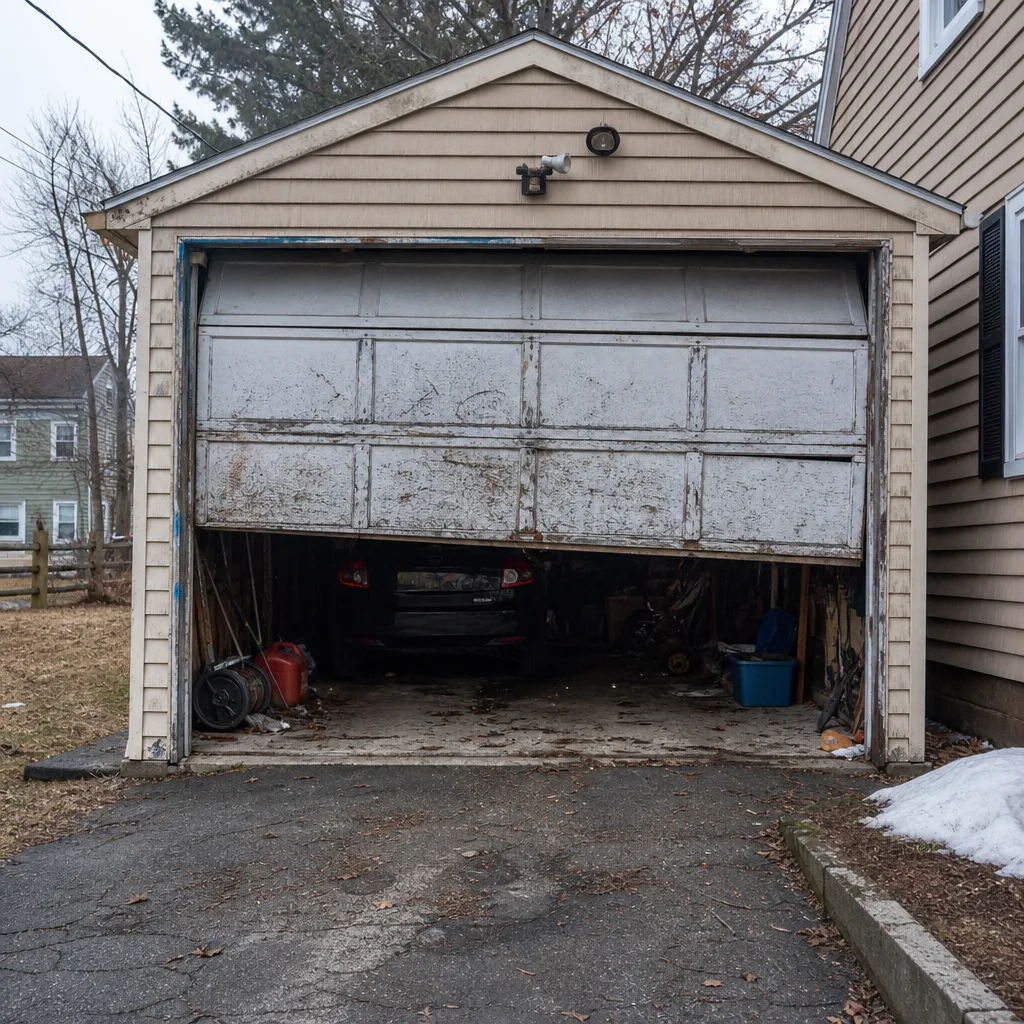 Before
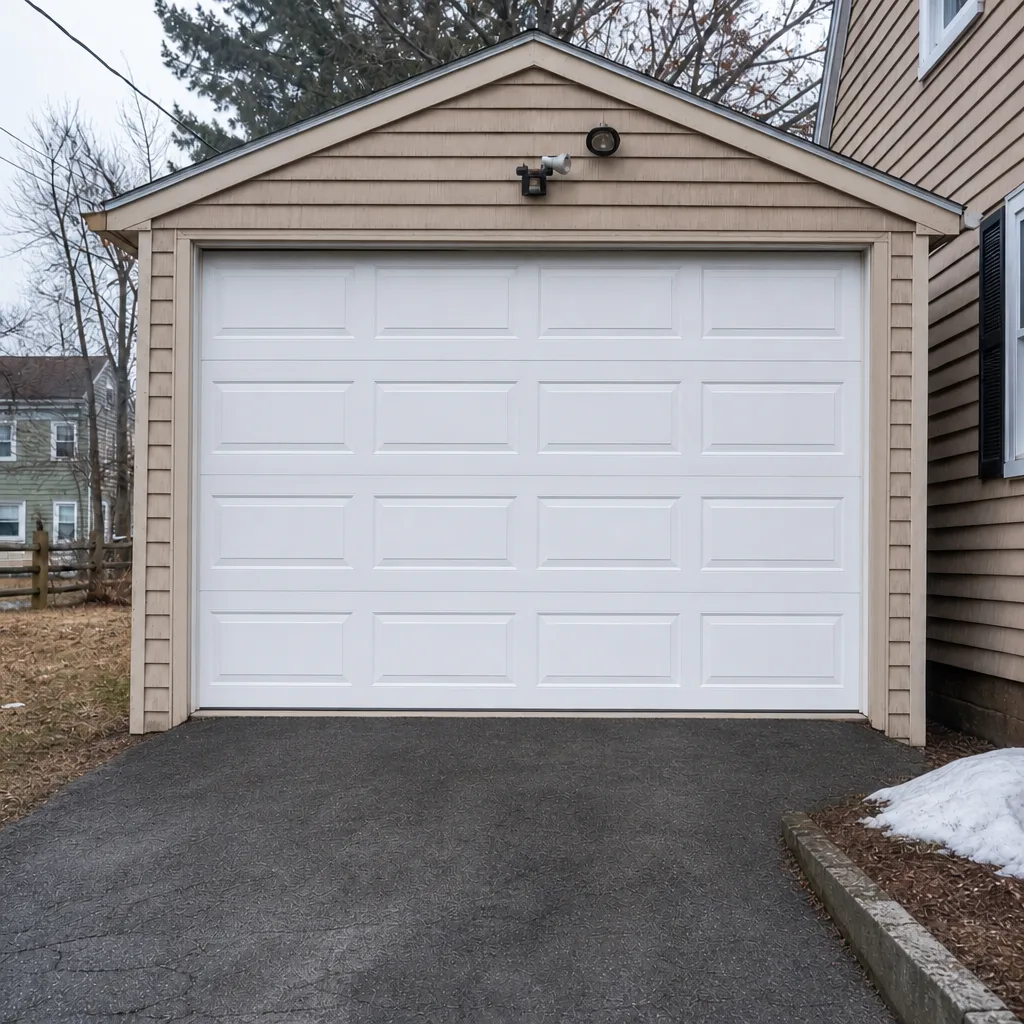 After
 Before
 After
 Before
 After