Last updated November 23, 2026
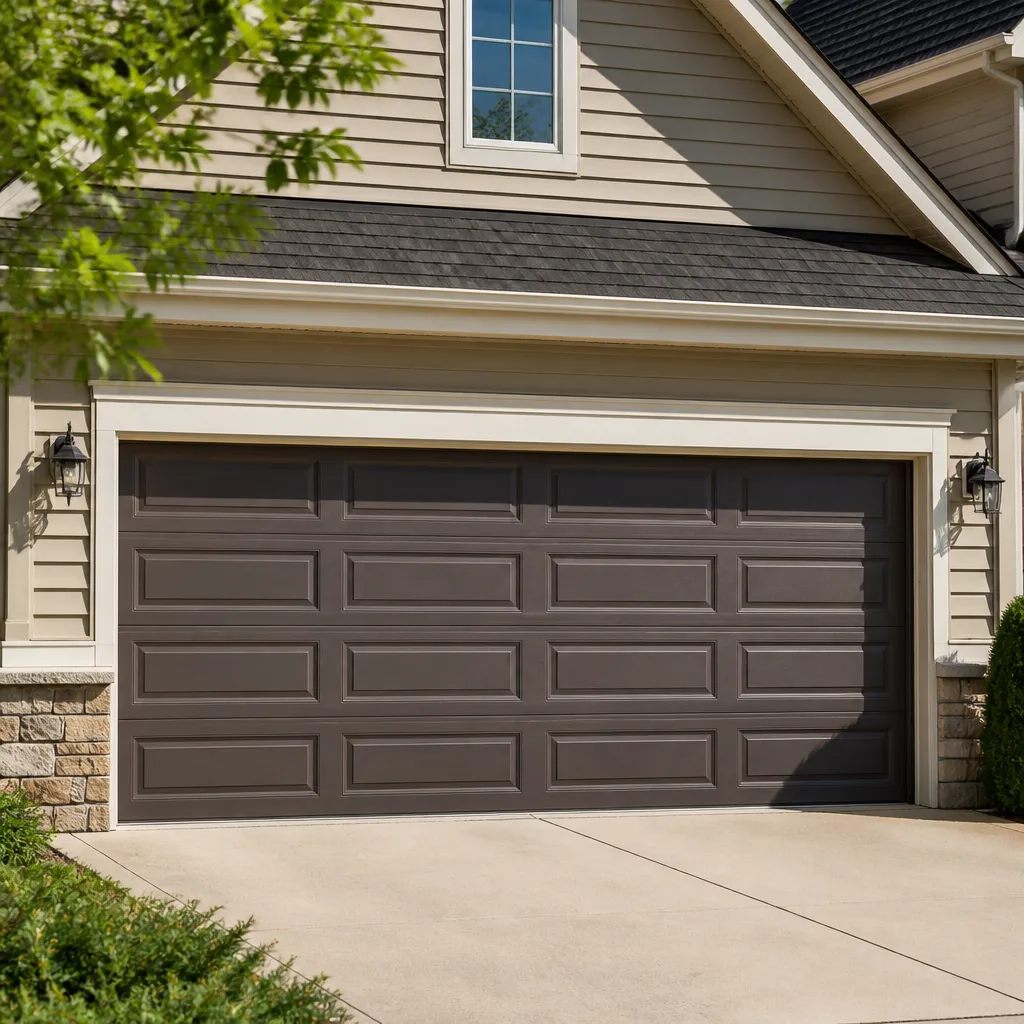 Raised-panel steel
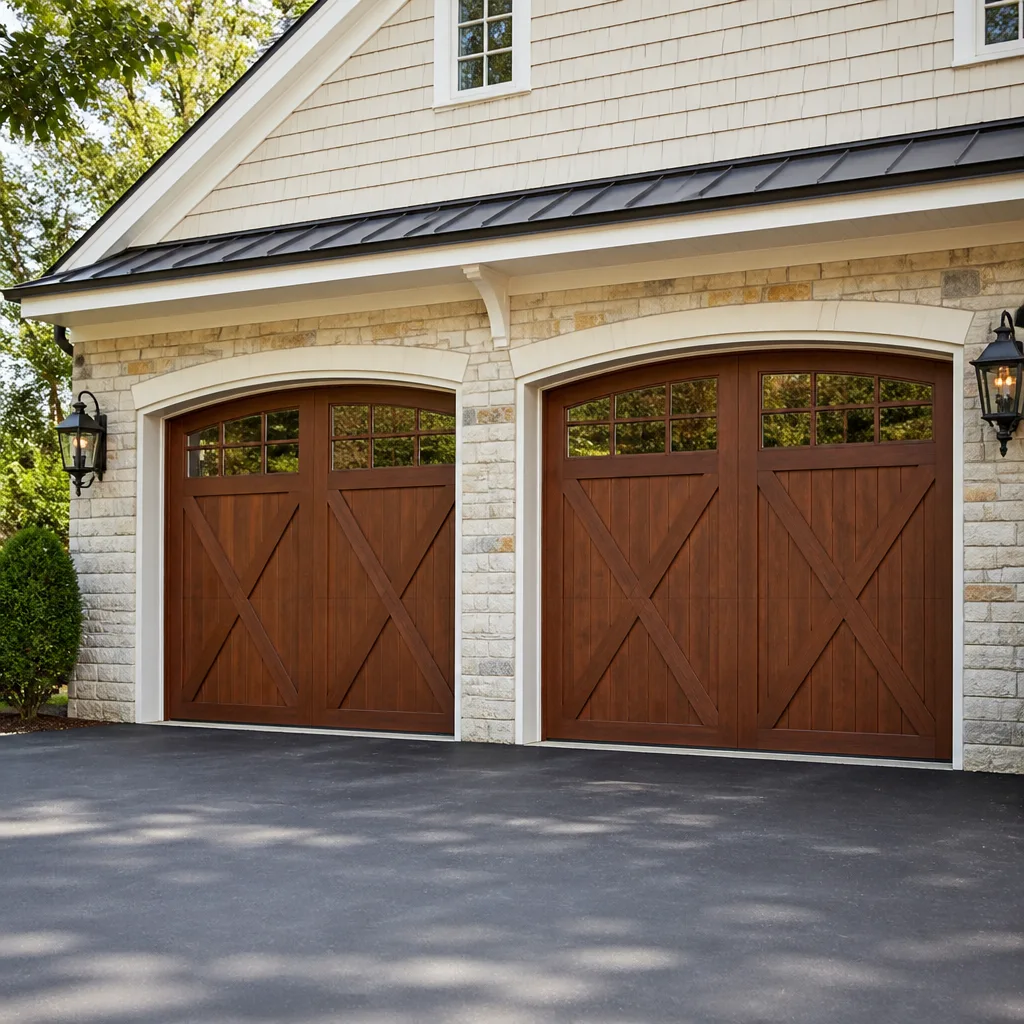 Carriage house
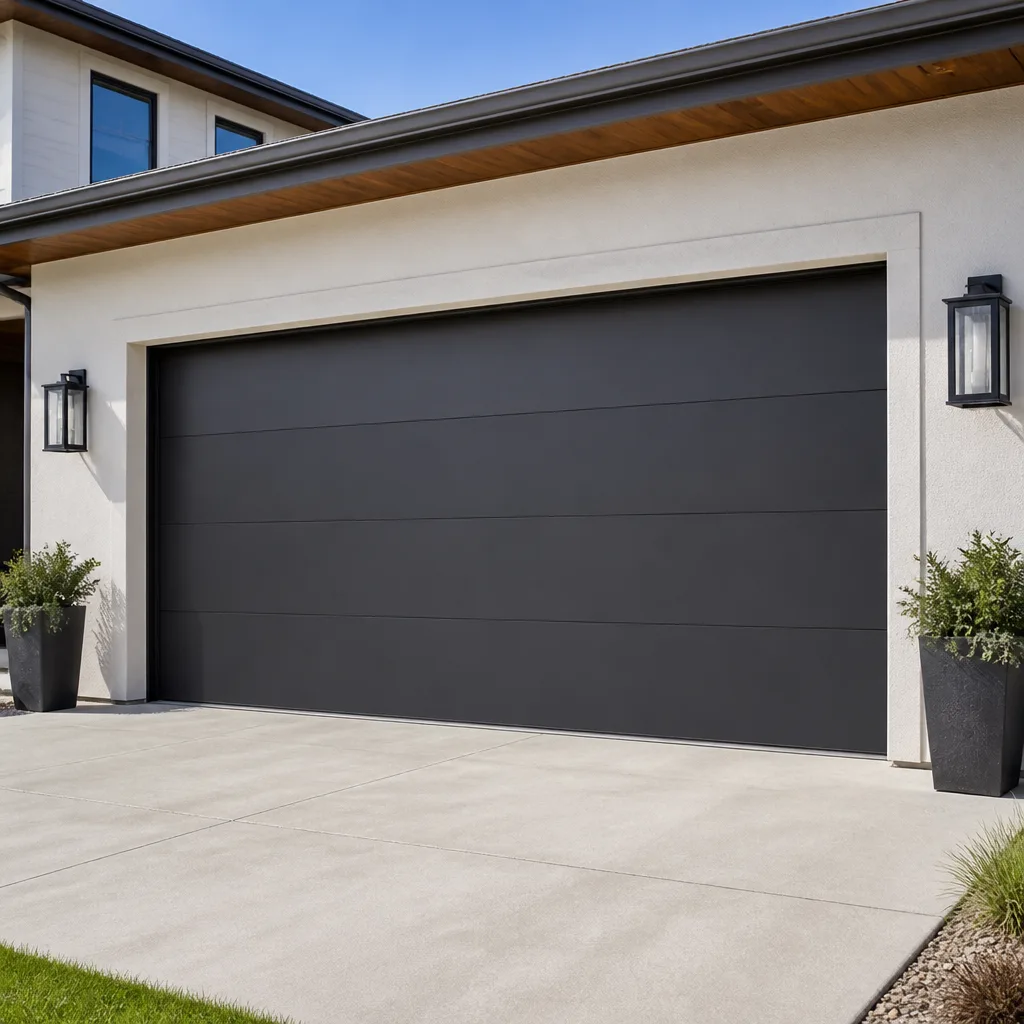 Modern flush
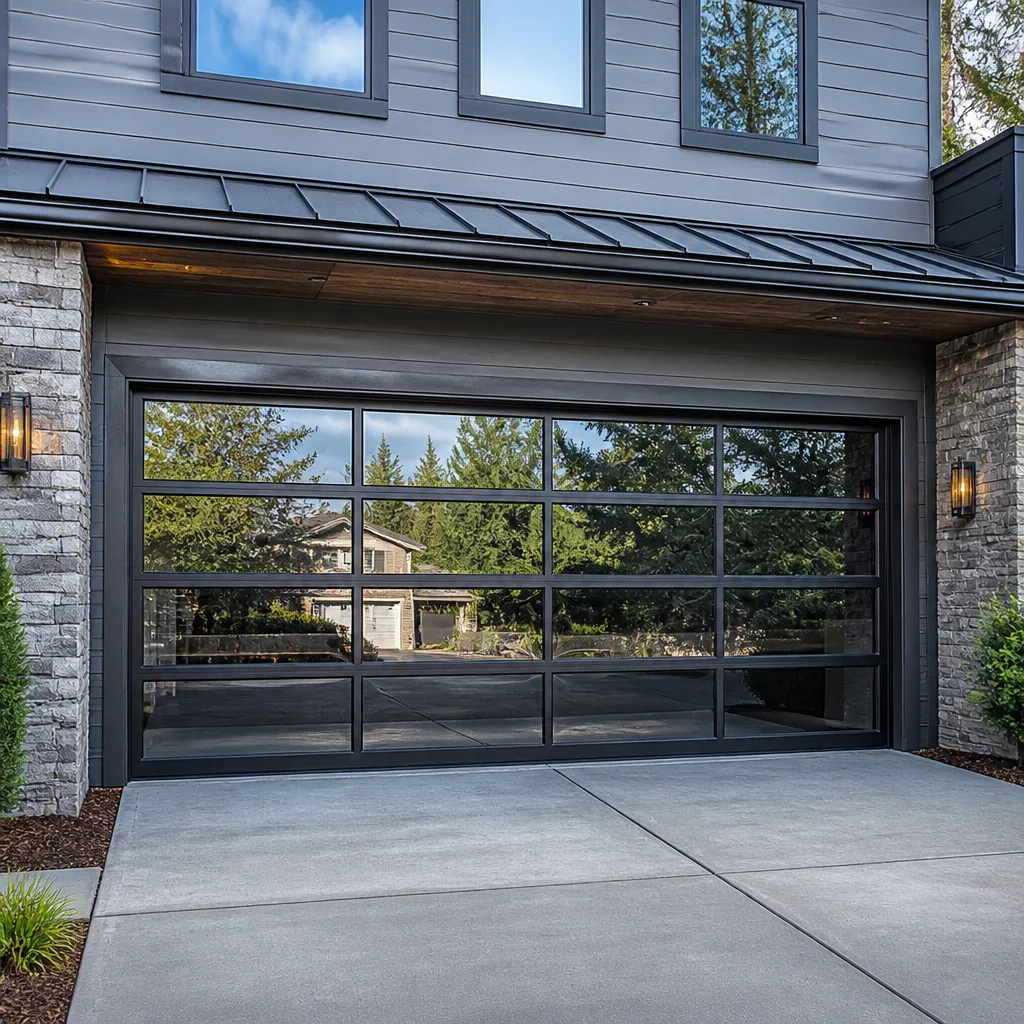 Full-view glass
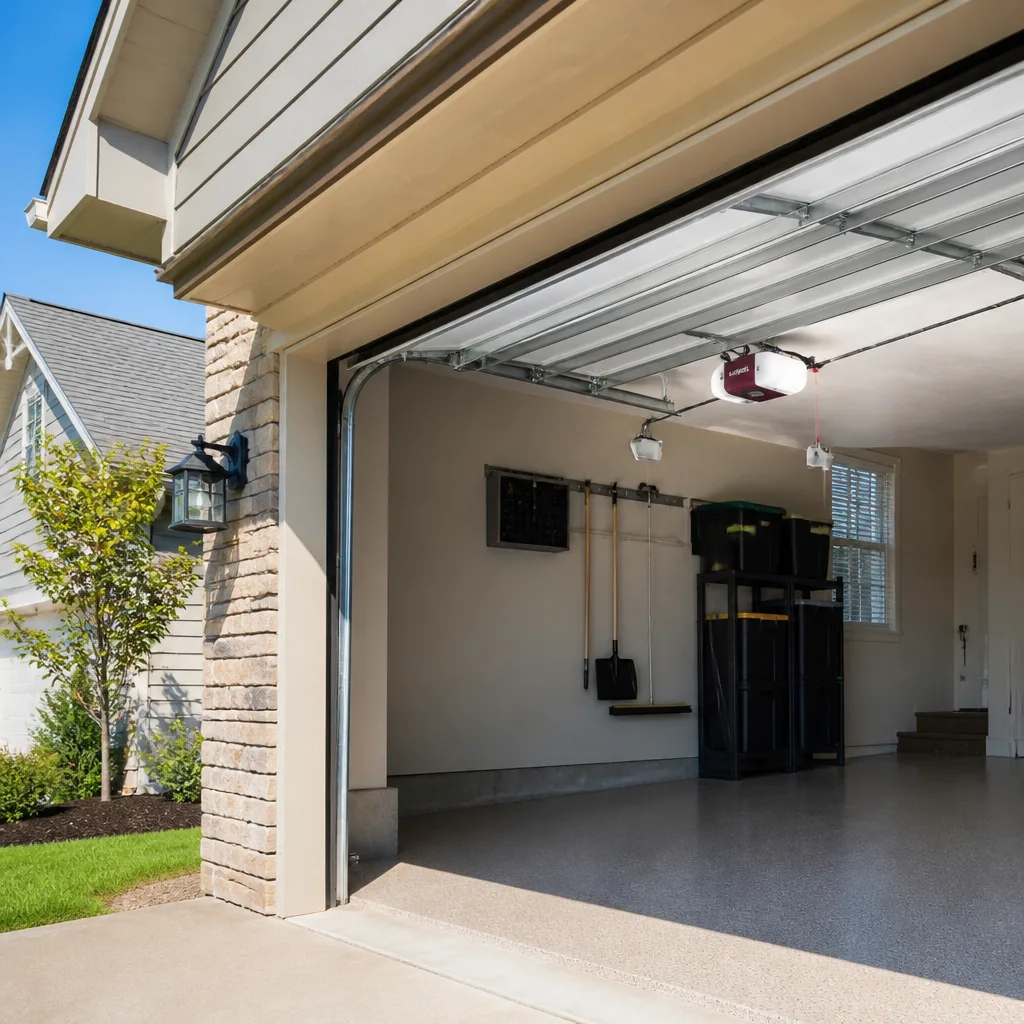 LiftMaster openers
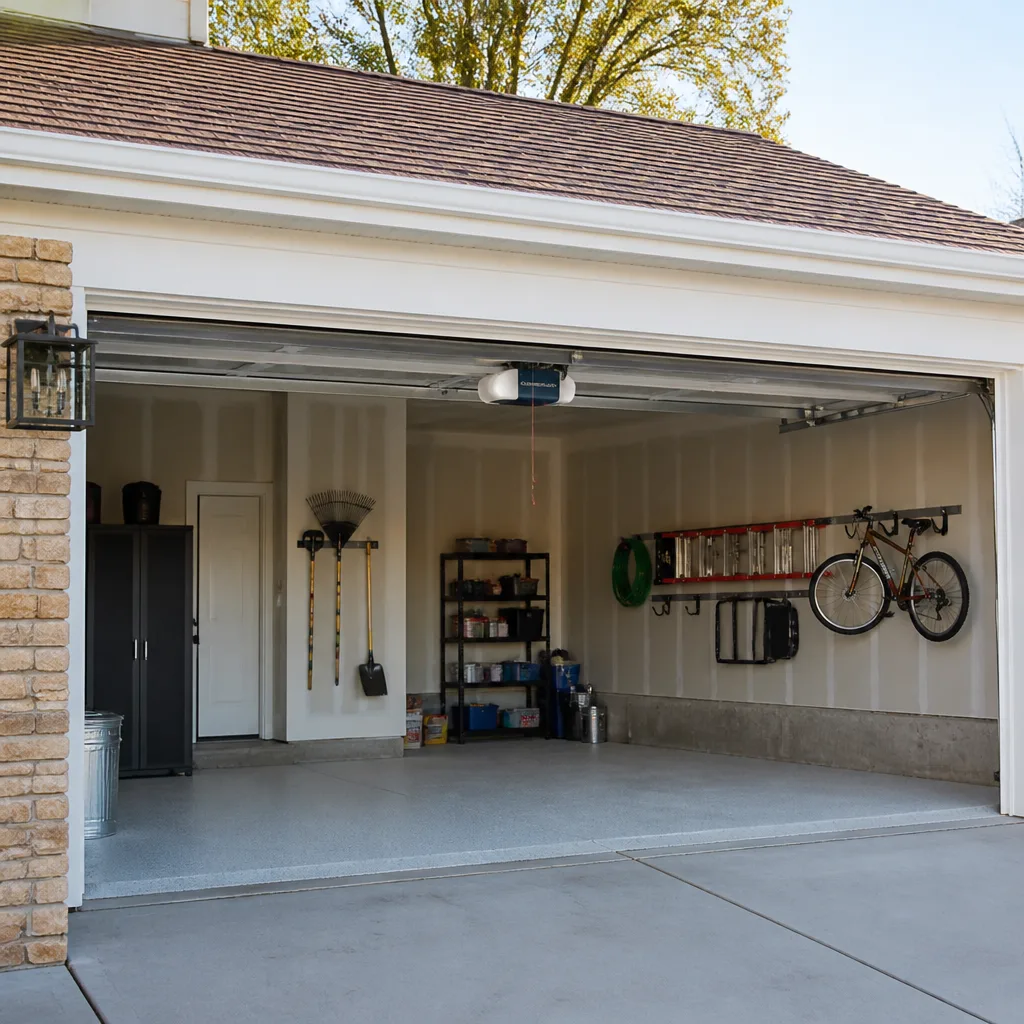 Chamberlain openers
Full 25-point door and opener safety check with every visit - springs, cables, rollers, tracks, and your LiftMaster or Chamberlain opener included
You get a price before we start. It does not change when the pro arrives.
Get your free estimateChoosing the Right Garage Door Brand: A Buyer’s Guide for Woburn
Search for “best garage door brand” and nearly every result comes from someone who sells one of the brands they’re ranking first. That’s not a knock on those companies, it’s just structural: a dealer carrying two lines can’t tell you the honest tradeoffs against the four they don’t carry. We work on and install doors from Clopay, Amarr, Wayne Dalton, Raynor and more, so we have no single horse in the race. This guide compares the brands Woburn homeowners actually encounter on the specific points that matter here – steel gauge at the builder tier, insulation R-value per dollar, panel warranty language, and local parts availability. By the end you’ll know which differences are real and which are brochure talk.
Quick Answer
There is no single best garage door brand for Woburn. Clopay and Amarr tend to win on insulation value at comparable prices, Wayne Dalton is often the value play at the builder-grade tier, and CHI and Raynor hold up well where a specific panel style or lead time matters. The brand matters far less than three things: the steel gauge you’re actually buying, the panel warranty terms in writing, and how well the door is installed and balanced.
Styles & brands we work with
- Raised-panel steel
- Carriage house
- Modern flush
- Full-view glass
- LiftMaster openers
- Chamberlain openers
Table of Contents
- Why Most Brand Guides Can’t Be Trusted
- Insulation R-Value: Clopay vs Wayne Dalton vs Amarr vs CHI
- Steel Gauge at the Builder-Grade Tier
- Panel Warranties Compared: What “Lifetime” Really Means
- Parts Availability Around Woburn and Greater Boston
- When Brand Choice Matters Less Than Installation
- How a New England Climate Tests a Garage Door
- How to Decide in Five Steps
Why Most Brand Guides Can’t Be Trusted
A company that stocks one manufacturer’s doors has a real reason to recommend that manufacturer. Their installer training is tied to it, their warranty paperwork is pre-printed for it, and their margin depends on it. That doesn’t make their advice dishonest, but it does mean you’re getting a comparison where only one option is a real option. We’re on the other side of that. We repair and install doors from Clopay, Amarr, Wayne Dalton, Raynor, CHI and others, so when we tell you which brand holds its finish better in a Woburn winter or which one has a panel lead time measured in weeks rather than days, we’re describing what we see rather than steering you.
There’s a second reason to be skeptical of most brand rankings. They tend to compare flagship models from each manufacturer, which is not where most homeowners shop. The typical Woburn homeowner replacing a builder-grade door isn’t comparing a premium carriage-house door to another premium carriage-house door. They’re comparing a 24-gauge steel door to a 25-gauge steel door at a similar price and trying to figure out if it matters. It does, and no brochure is going to tell you so.
What this guide covers instead
We compare brands on the criteria that show up in a real decision: insulation R-value at a given price, steel thickness at the tier people actually buy, the specific language in each manufacturer’s panel warranty, and how quickly a replacement section can be sourced in the greater Boston area. We also spend time on the variable most brand guides skip entirely – installation quality – because that’s often the real reason two quotes for “the same door” differ by hundreds of dollars.
Insulation R-Value: Clopay vs Wayne Dalton vs Amarr vs CHI
If you’re replacing an uninsulated builder door, the insulation value is where you’ll feel the difference most quickly. A garage attached to the house is a buffer zone, and a better-insulated door cuts heat loss through that buffer. R-value, not “thermal efficiency” or “weather-ready,” is the number to compare, and the manufacturers publish it.
At comparable price points, Clopay’s insulated steel doors generally sit at the top of the R-value range for their tier, with some three-layer sandwich doors rated well into double digits. Amarr’s insulated models are close behind and often match on R-value while offering a different panel style. Wayne Dalton offers insulated doors at lower price points, but the R-value tends to reflect that – a value-priced insulated door is doing less than a premium sandwich door at a top-tier R-value. CHI’s insulated polylurethane-cored doors hold their own and are worth pricing if you want a specific look or a shorter lead time.
How to compare R-value without getting lost
- Compare the same construction type. A three-layer sandwich door (steel-insulation-steel) is not comparable to a single-layer steel door with a polystyrene backer. Compare sandwich to sandwich.
- Ask for the R-value in writing. Reputable manufacturers publish it per model. If a quote just says “highly insulated,” that’s not a number.
- Match the R-value to the building. A door between an attached garage and living space is worth insulating well. A detached garage that isn’t heated gets less benefit.
- Check the weather seal. The best insulated door with a worn bottom seal still leaks air. Seal quality is separate from R-value.
For Woburn homes where the garage shares a wall with the house, upgrading from an uninsulated door to a well-rated sandwich door is one of the more noticeable improvements you’ll make to the garage. For a detached garage, the R-value math changes and a value-tier door is often the smarter spend.
Steel Gauge at the Builder-Grade Tier
This is where most Woburn homeowners actually shop, and where the marketing is thinnest. At the builder-grade tier, you’re comparing doors made from 24-gauge, 25-gauge, and sometimes 26-gauge steel. Lower gauge number means thicker steel. A 24-gauge door is meaningfully sturdier than a 25-gauge door, and the difference is not cosmetic. A 25-gauge door dents more easily from a stray ball, a bumper, or a shove, and over time it can develop a wavy surface that no amount of adjustment fixes.
Brand-to-brand at the same price point, the steel gauge is one of the clearest differentiators. You can find doors at similar quoted prices where one is 24-gauge and the other is 25-gauge, and the brochure copy will make them sound equivalent. They aren’t. What we tell homeowners in Woburn is simple: ask for the steel gauge in writing on every quote, and if two quotes come in close on price but differ on gauge, take the thicker steel.
A quick comparison at the builder tier
- 24-gauge steel: The sturdier choice at this tier. Better dent resistance and a cleaner finish over time.
- 25-gauge steel: Common and acceptable at the low end, but dent-prone and worth avoiding if a 24-gauge option exists at a similar price.
- 26-gauge steel: Thin. We generally steer people away from it for a house door they’ll use every day.
- Stamped vs. embossed panels: A stamped panel with a pronounced raised pattern can hide minor surface waviness better than a flat panel. Worth considering on the thinner gauges.
- Paint and finish: A thicker gauge holds its finish better because it doesn’t flex as much under daily use.
Ask each contractor you’re considering to write the gauge on the quote next to the brand and model. It’s a five-word sentence and it tells you a lot about how carefully they’re thinking about the door you’re going to live with.
Panel Warranties Compared: What “Lifetime” Really Means
A “lifetime” panel warranty on a garage door sounds absolute. It isn’t. Every manufacturer’s document has exclusions, and the exclusions are where the difference between brands lives. We’ve read a lot of these documents alongside Woburn homeowners, and the pattern is consistent enough to write down.
The warranty document typically covers the steel panel against rust-through, perforation, and structural failure for the life of the door. That’s genuinely valuable. But it often excludes or limits: finish peeling and fading (sometimes covered separately for a set number of years, sometimes not covered at all), damage from impact, damage from a vehicle, damage from improper installation, and damage from a door that was out of balance. Some manufacturers require professional installation to keep the panel warranty valid; some don’t. That clause alone is worth reading before you decide to install it yourself.
What to check in every warranty
- Length and what’s covered: Perforation and rust-through are usually lifetime. Finish and hardware have separate, shorter terms.
- Exclusions: Impact, vehicle damage, improper installation, and out-of-balance operation are the usual exclusions. Read them.
- Installation requirements: If installing the door voided the panel warranty, you’d want to know before you start.
- Transferability: Some warranties transfer to a new owner for a limited time. It matters if you’re selling.
- Claim process: A warranty is only as good as the process to file a claim. Ask what a replacement section claim looks like in practice.
Between comparable brands, the panel warranty terms are usually closer to each other than the marketing makes them sound. The real differentiator is the finish warranty, and it’s worth asking specifically what the finish coverage term is on the door you’re considering.
Parts Availability Around Woburn and Greater Boston
Here’s a factor that rarely makes the brand guide but absolutely matters six years later: when a panel gets dented or a hinge gives out, how fast can the part be had? Garage door brands differ on this, and the difference is real in the Woburn and greater Boston area.
The major manufacturers – Clopay, Amarr, Wayne Dalton, Raynor, CHI – all have distribution in the region, so a standard replacement panel or a set of hinges is generally available in days to a couple of weeks depending on the exact model and panel style. The gap appears with non-standard panel designs, discontinued lines, and specific colors. A common panel style is easy to replace; a discontinued carriage-house panel or a custom-color door can require a longer lead time for a matching section.
What to ask about parts before you buy
- Is this panel a current production line? If the model has been discontinued, section matching gets slower and harder.
- Is the color standard or custom? Standard colors are stocked more broadly. Custom colors can require longer lead times for a matching section.
- Which brand has the strongest parts footprint here? Clopay and Amarr tend to have broad parts coverage in the greater Boston area. Wayne Dalton and Raynor are both well-supported. CHI is worth asking about for your specific model.
- Do you keep common hardware in stock? Hinges, rollers, and cables are generic enough to be had quickly. Panels and openers are the longer-lead items.
If you have a Woburn home with an older or discontinued door, the practical answer may be a full replacement rather than a section match, and that’s a conversation worth having before you find yourself needing a matching panel you can’t get.
When Brand Choice Matters Less Than Installation
Two quotes for “the same door” at significantly different prices don’t automatically mean one is gouging you. In our experience, most of the gap comes from three variables: the steel gauge, the insulation, and the install. If both quotes have identical brand, model, gauge and R-value, the difference is almost always in what’s included in the installation.
Garage doors are heavy and mechanically precise. The springs have to be balanced against the door’s actual weight, the track has to be plumb and level, the hinges and rollers have to be aligned, and the safety reverse and photo-eye have to be tested and set properly. A door that is installed and left just slightly out of balance will wear its springs faster, bind and chatter, and in a worst case come off a track. That’s a brand-neutral risk. A well-installed 25-gauge door outperforms a poorly installed 24-gauge door every day of the week.
How to tell which variable is driving a quote difference
- Line up the specs on paper. Brand, model, steel gauge, R-value, and panel style, side by side. If they don’t match, the price difference is spec, not margin.
- Ask what’s included. New springs, new rollers, new hinge set, track adjustment, opener integration, haul-away of the old door? A lower quote with the old springs reused isn’t the same job.
- Ask about the balance test. A door that holds its position halfway up, without drifting, is close to balanced. Anyone installing a door should be able to tell you how they verify that.
- Ask who sets the safety reverse. The photo-eye and the auto-reverse have to be tested with the door in motion. If the install is going to be finished before the door is tested, ask why.
When you’re comparing Woburn contractors, write the specifics down on the quote. The contractor who’s comfortable putting gauge, R-value, brand, model, and what’s included in writing is usually the contractor whose price is close to their scope.
How a New England Climate Tests a Garage Door
Woburn sits in a climate that’s genuinely hard on garage doors. Winter brings repeated freeze-thaw cycles that work on the bottom seal, the weatherstripping, and the paint finish. Road salt tracked in on tires gets on the panels and the hardware. Summer humidity stresses the finish. The whole cycle repeats every year, and over a decade it adds up.
The practical implications are worth knowing when you’re choosing a brand. First, the bottom seal and side weatherstripping wear faster in this climate than in a mild one, so it’s worth replacing them alongside a new door or a repair. Second, any gap in the seal or a worn threshold lets cold air and moisture in, which undercuts whatever R-value you bought. Third, the finish on the door matters more here – a thick, well-baked finish on a 24-gauge panel holds up better than a thinner finish on a thinner panel. Fourth, the springs cycle more in severe cold and are the first thing to fail on an old door.
What this means for brand choice
- Prioritize finish quality and steel gauge in this climate. They hold up better against the freeze-thaw cycle and the salt.
- Insulation value pays off more here than in a mild climate, especially on an attached garage.
- Weatherseals are a consumable in Woburn; budget to replace them on a schedule.
- Springs are the safety-critical wear item. When a spring fails it’s not a minor inconvenience; it’s a safety issue and belongs in the hands of a trained technician.
None of this is brand-specific in the sense of picking Clopay over Amarr, but it’s decisive in the sense of picking a thicker gauge and a better finish over a thinner one at a similar price. In a climate like Woburn’s, the specs you can verify are the ones that hold up.
How to Decide in Five Steps
If you’re staring at three quotes for three different brands and trying to decide, here’s the process we’d walk a Woburn homeowner through. It works because it removes the marketing language and compares only what’s on the paperwork.
- Match the construction type. Three-layer sandwich doors to three-layer sandwich. Single-layer to single-layer. Never compare across construction types and assume the price difference is the brand.
- Write down the steel gauge on each quote. If two quotes are close on price and one is 24-gauge and the other 25-gauge, take the 24-gauge. If the gauge isn’t on the quote, ask for it in writing.
- Compare R-value per dollar at the tier you’re buying. If Clopay and Amarr are close on R-value at your price point, choose on panel style and lead time. If one is significantly lower on R-value, ask whether that matters for your garage (attached vs detached).
- Read the finish warranty specifically. The panel warranty is usually similar across brands. The finish warranty term is where they differ, and it matters more in Woburn’s climate.
- Ask about local parts availability for the specific model. A current-production standard-color panel is easier to replace than a discontinued custom-color one. Ask what the lead time is for a matching section before you commit.
If you do these five things, the brand choice often falls out on its own. And if two doors come out genuinely equivalent on all five, that’s fine – buy the one you like the look of. The differences that matter have already been captured in the specs.
Common Mistakes to Avoid
- Trusting a “best brand” ranking from a dealer. A single-line dealer can’t give you an honest comparison against brands they don’t carry. Ask whether the person recommending a brand also sells that brand, and weigh the answer.
- Comparing quotes without comparing specs. Two quotes that say “insulated steel door” aren’t comparable until the gauge, R-value, and brand are written beside each other. Ask for the details on paper.
- Buying a 25-gauge door at a 24-gauge price. The brochure makes them sound equivalent. They’re not, and a thin panel on a door used daily in a Woburn climate will show it after a few winters.
- Reading “lifetime” as “covers everything.” The panel warranty document has exclusions. Finish, impact, and installation are usually excluded or limited. Read the document, not the brochure.
- Skipping the parts lead-time question. A discontinued panel or custom color can mean a long wait for a matching section. Ask before you buy, not the day a panel gets dented.
- Choosing on price instead of installation quality. A poorly installed door wears faster regardless of brand. Ask how the installer balances the door and tests the safety reverse, and see what they say.
- Replacing springs on your own. Torsion and extension springs are under high tension. A spring that lets go during a DIY repair can cause a serious injury. Call a trained technician.
See the difference
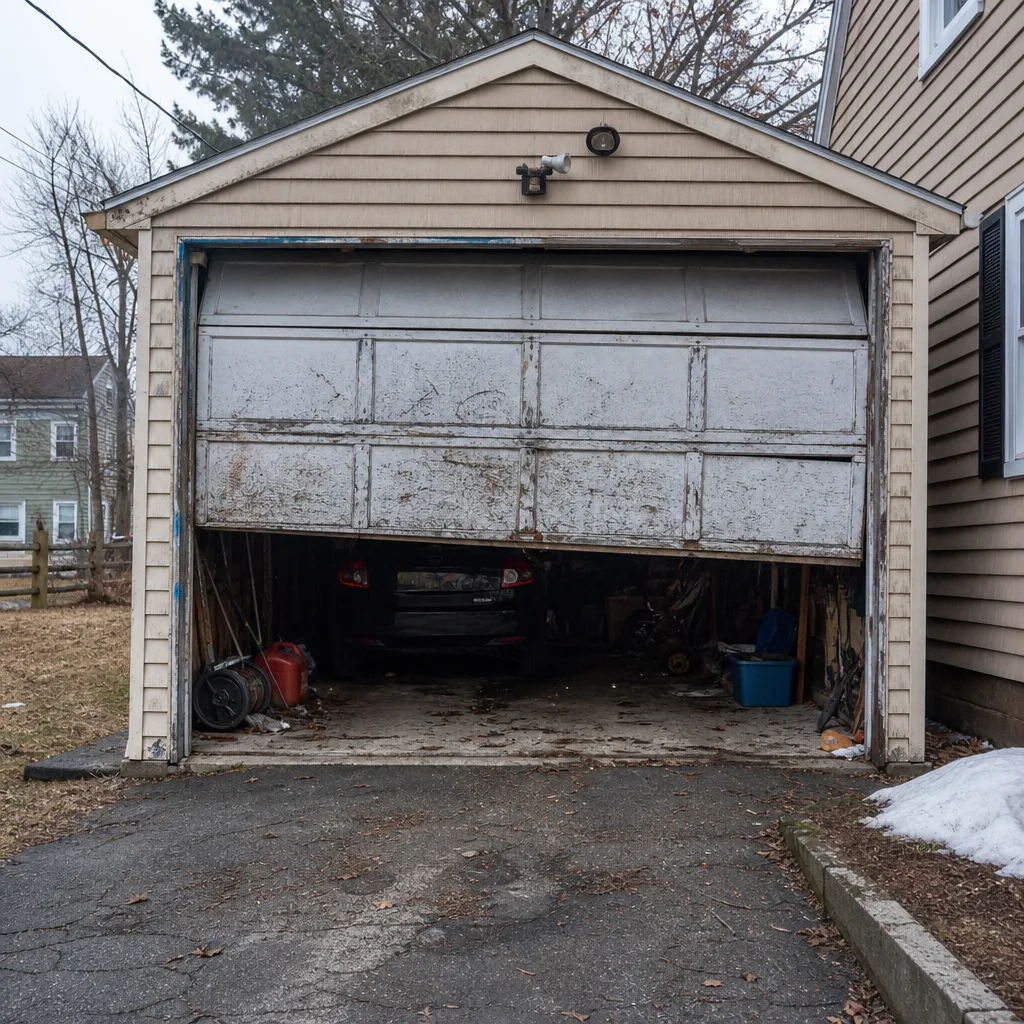 Before
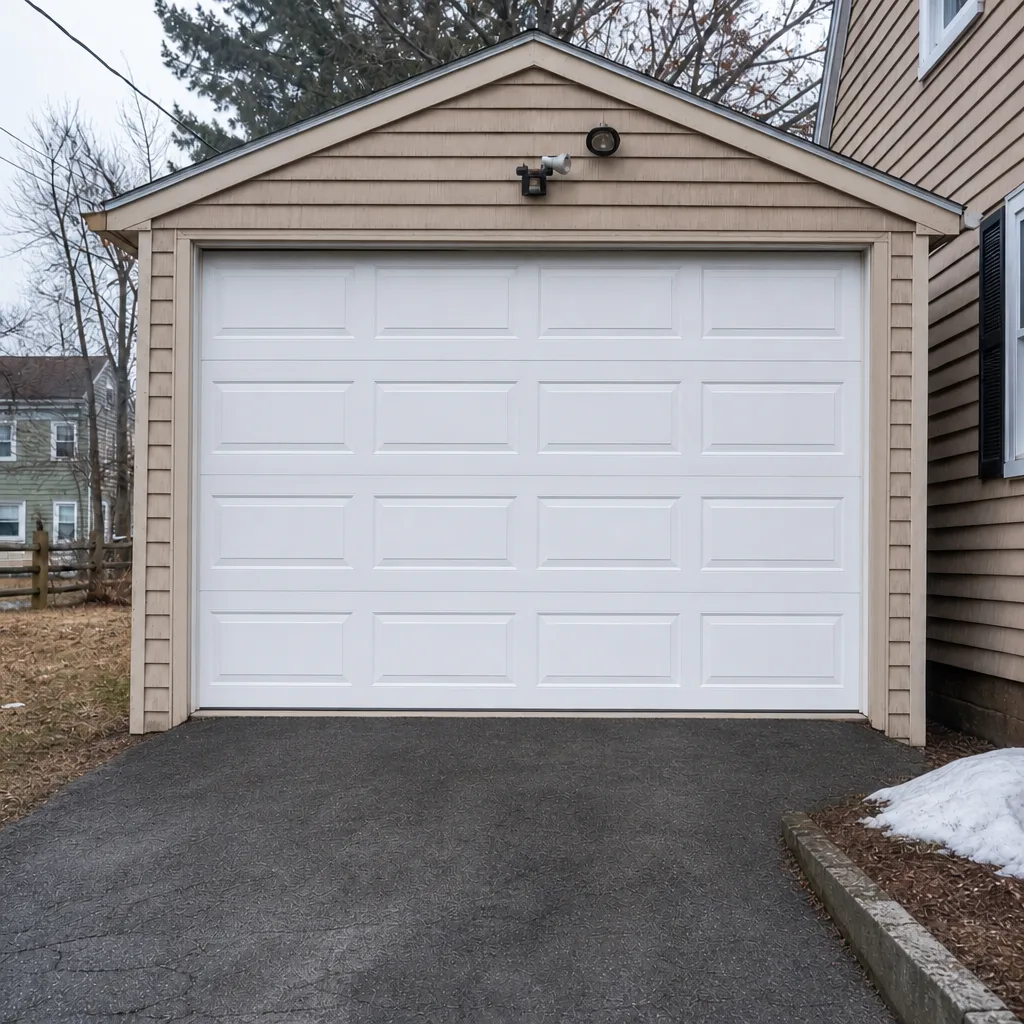 After
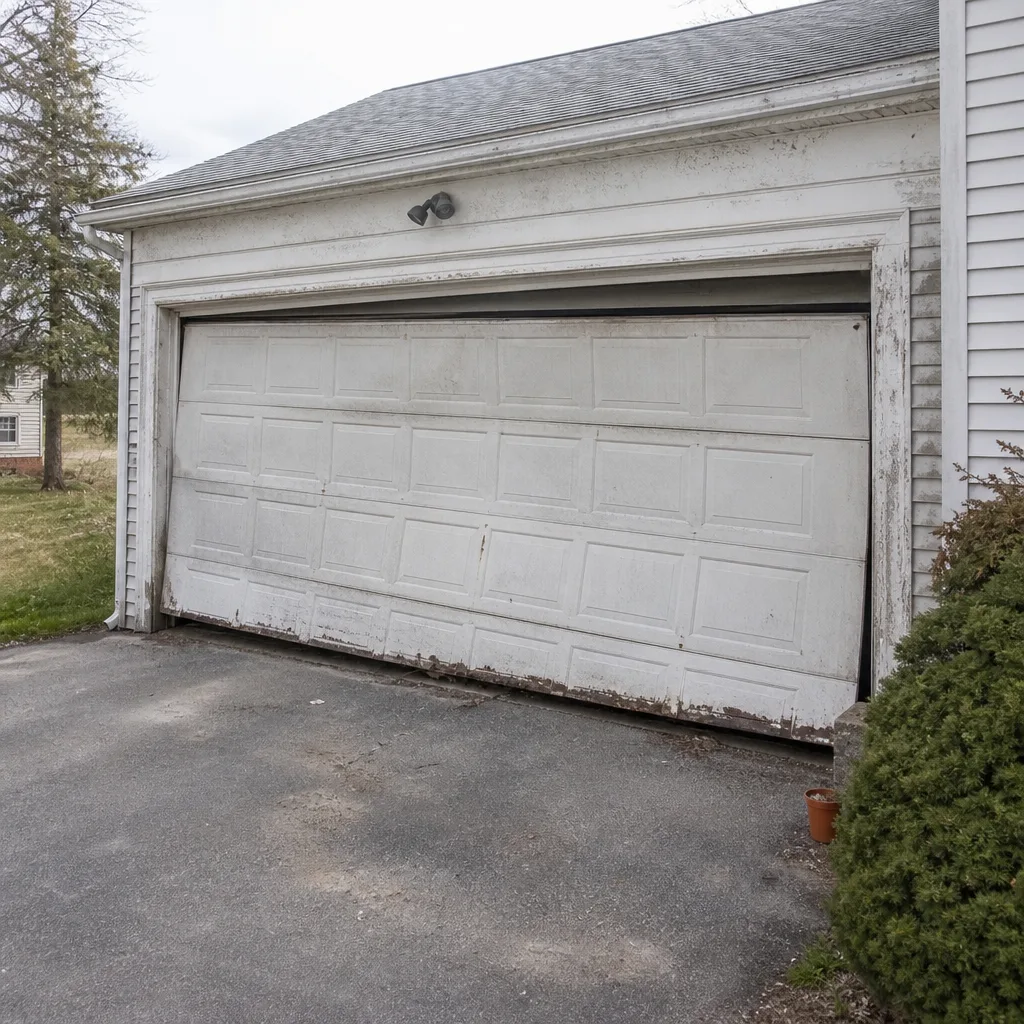 Before
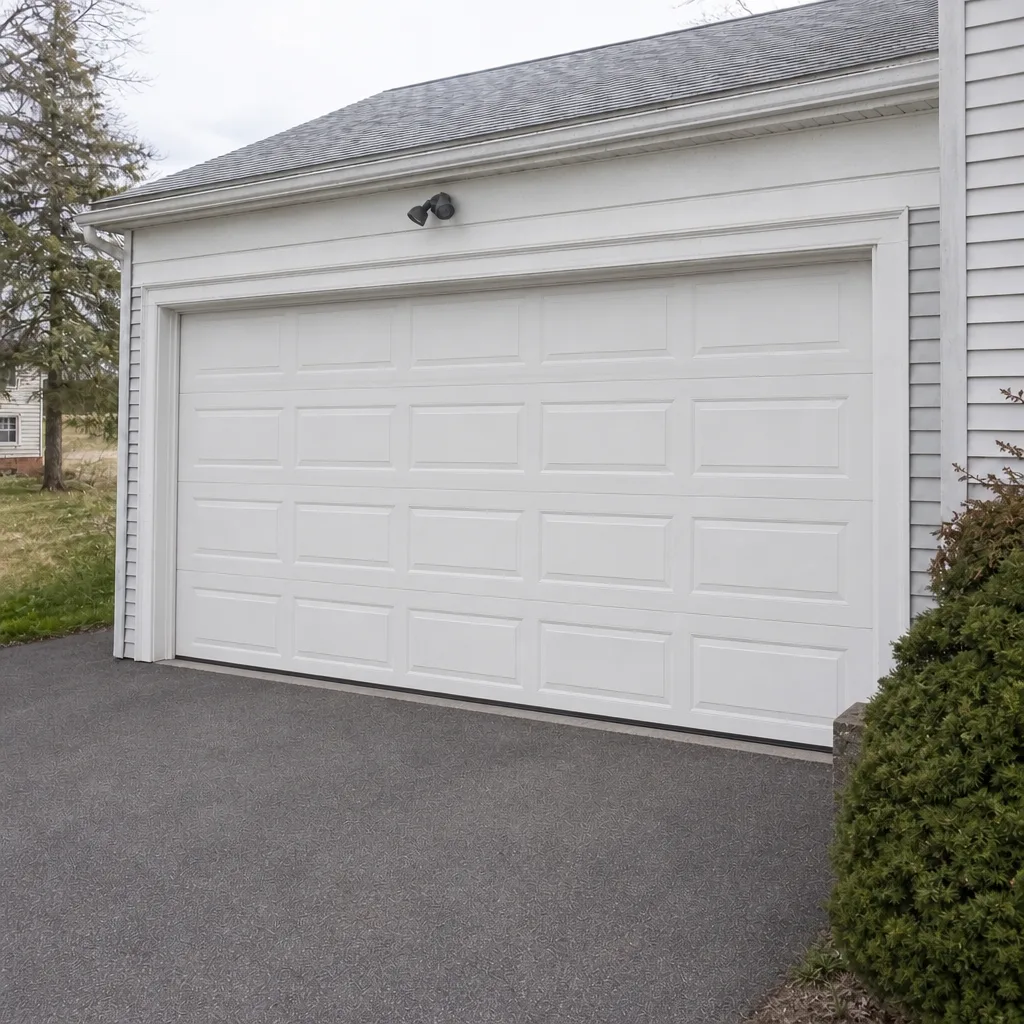 After
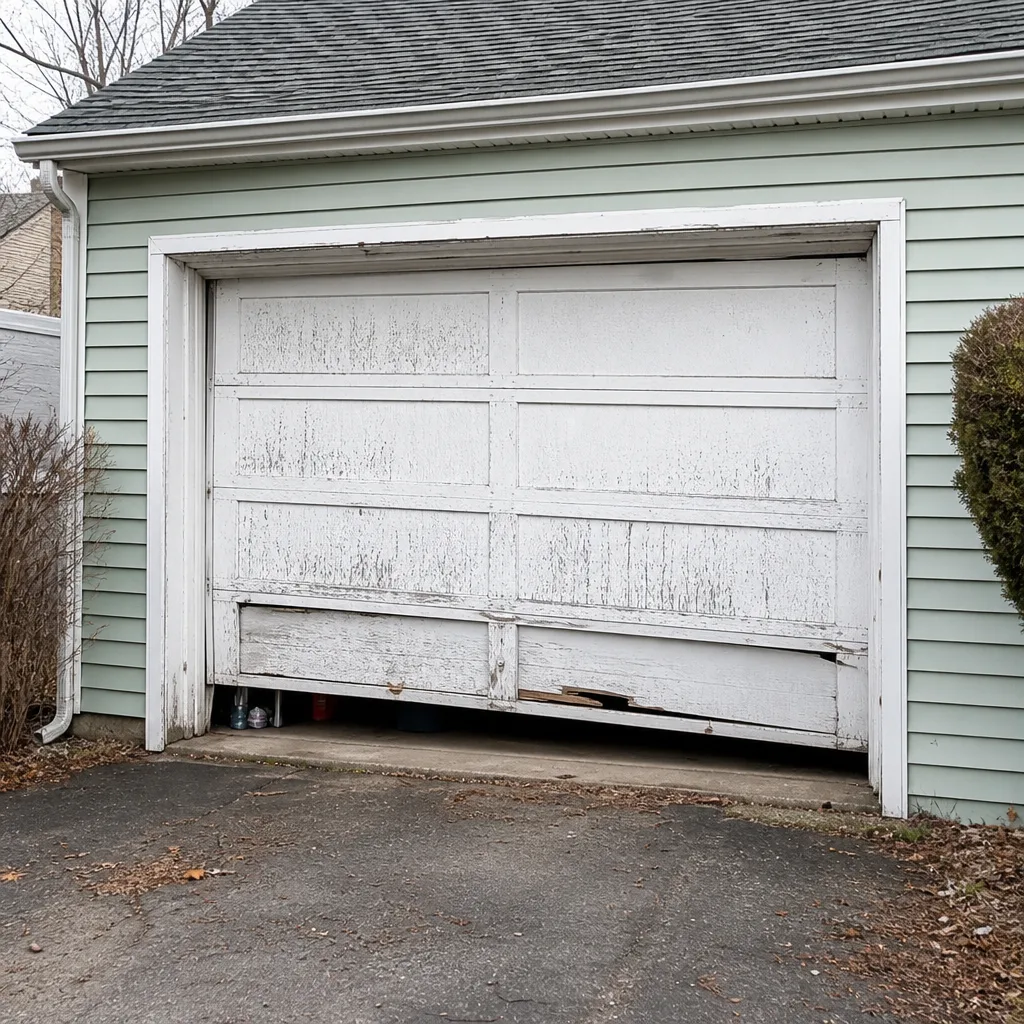 Before
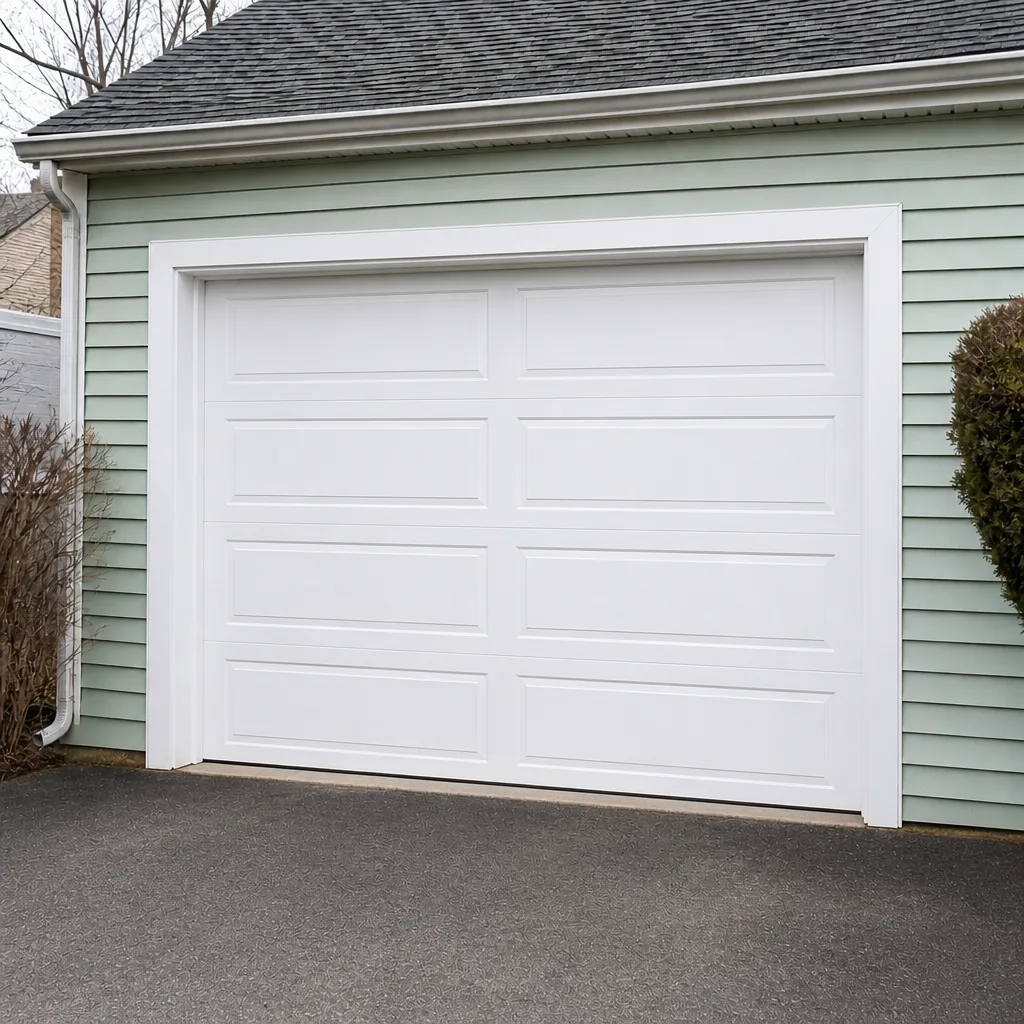 After
When to Call a Professional
Some decisions call for a professional, and it’s worth being clear about which. If the door won’t open or close, if a spring is visibly broken or the door feels suddenly much heavier, or if the door has come off a track, that’s garage door repair territory. If the door is stuck open and the house is exposed, or stuck closed and you can’t get the car out, that’s an emergency, and we treat it as urgent. If the opener won’t respond, or the remotes and smart-home integration are acting up, that’s garage door opener repair, which is its own discipline and not just door work. And if a spring has failed, that’s garage door spring repair, which we treat as a safety issue rather than an inconvenience. Woburn Garage Door Repair Pros offers free estimates in Woburn – call (877) 792-5970, and we’ll give you a straight diagnosis and a straight price before any work starts.
Frequently Asked Questions
Clopay and Amarr tend to be the top picks at comparable price points because of their insulation value, steel gauge, and parts availability in the greater Boston area. Wayne Dalton is a solid value at the builder tier. Raynor and CHI are worth pricing if you want a specific panel style or a shorter lead time. The brand matters less than the gauge, the finish warranty, and the installation, which should drive your decision.
Yes, a lot. A 24-gauge door is meaningfully thicker than a 25-gauge door, and at the same price point the 24-gauge is the sturdier choice. The 25-gauge door dents more easily and can develop a wavy surface over time in a climate with Woburn’s freeze-thaw cycle. Ask for the gauge in writing on every quote, and take the thicker steel when prices are close. Call (877) 792-5970 for a quote that spells the gauge out – estimates are free.
It typically covers rust-through and perforation of the steel panel for the life of the door. It usually doesn’t cover finish fading and peeling for that same period, and it typically excludes impact, vehicle damage, improper installation, and damage from an out-of-balance door. Read the specific manufacturer’s document, not the brochure summary, and ask what the finish warranty term is on the door you’re considering.
For a current-production standard-color panel from a major brand, a replacement section is generally available within days to a couple of weeks in the greater Boston area. Discontinued models and custom colors can take longer because the panel has to be sourced or matched. Ask your contractor for the lead time on a matching section for the specific model before you buy, not after a panel gets dented.
Only when the extra spend buys you something measurable – thicker steel, higher R-value, a longer finish warranty, or better parts availability. If two doors from different brands are identical on gauge and R-value and both are installed well, the price difference is often cosmetic. Compare the specs on paper first, then decide whether the extra spend is buying a real spec or a name. Call (877) 792-5970 and we’ll walk you through what the difference is on the doors you’re considering.
What if my existing door is a discontinued or older brand?
We work on virtually any residential door system, including older discontinued lines. The typical decision point is whether a matching panel can be sourced; if it can’t, the practical answer may be a full replacement. Bring us the make and model if you can find it, and we’ll tell you honestly what’s available for parts and what the realistic options are. The team at Woburn Garage Door Repair Pros is a good place to start.
The Bottom Line
The best garage door brand for your Woburn home is the one with the right steel gauge at the right R-value, a finish warranty you actually read, and an installer who balances and tests the door properly. Clopay and Amarr tend to lead on insulation value, Wayne Dalton is the value choice at the builder tier, and Raynor and CHI are worth pricing for specific styles and lead times. Write the specs on every quote, don’t pay a 24-gauge price for a 25-gauge door, and don’t DIY a spring. Do those things and the brand choice tends to make itself.
Frequently Asked Questions About Choosing a Garage Door Brand
If you’re still deciding between two quotes or two brands, the fastest path is a free estimate from Woburn Garage Door Repair Pros. Call (877) 792-5970 and we’ll line up the specs side by side, tell you which differences actually matter for your Woburn home, and put the price in writing before any work starts. Our technicians have up to 10 years of experience working on garage door systems from Clopay, Amarr, Wayne Dalton, Raynor, and more.
Written by the team at Woburn Garage Door Repair Pros.