Last updated November 23, 2026
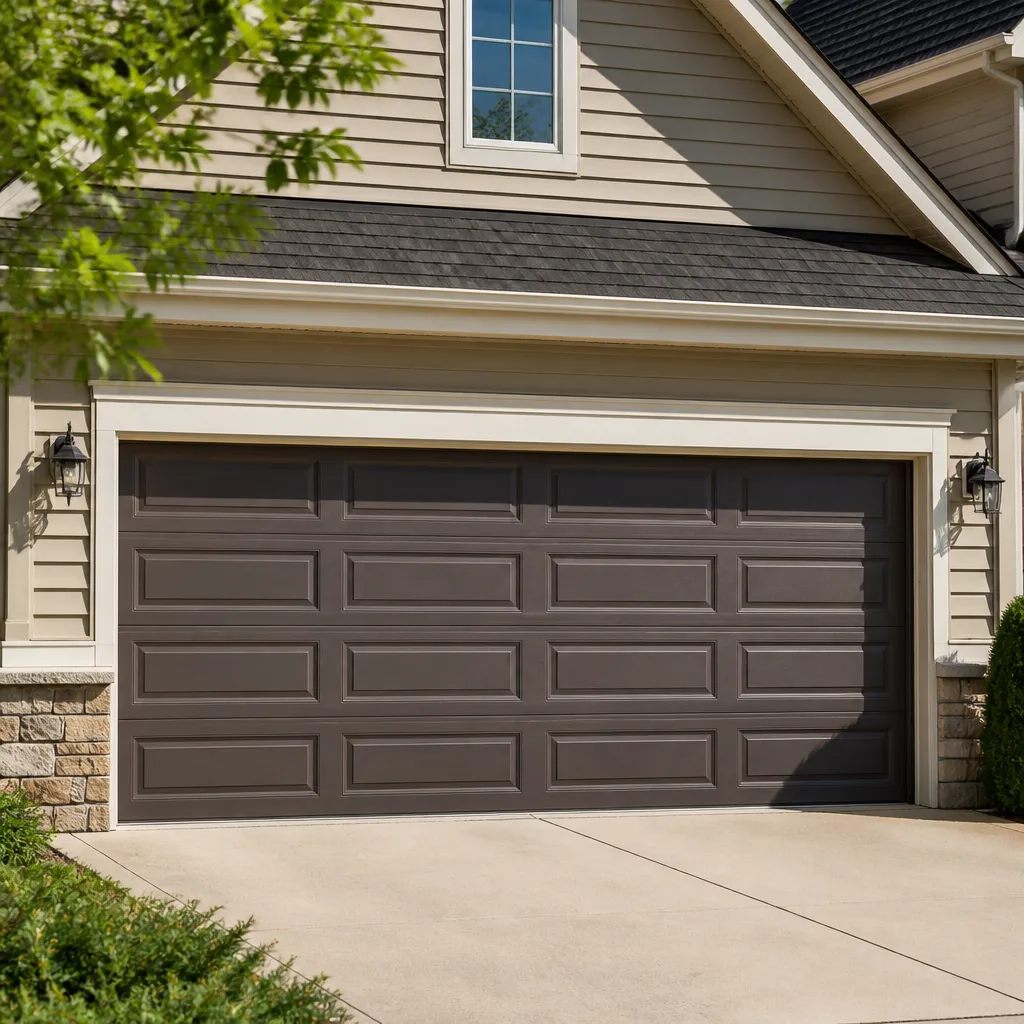 Raised-panel steel
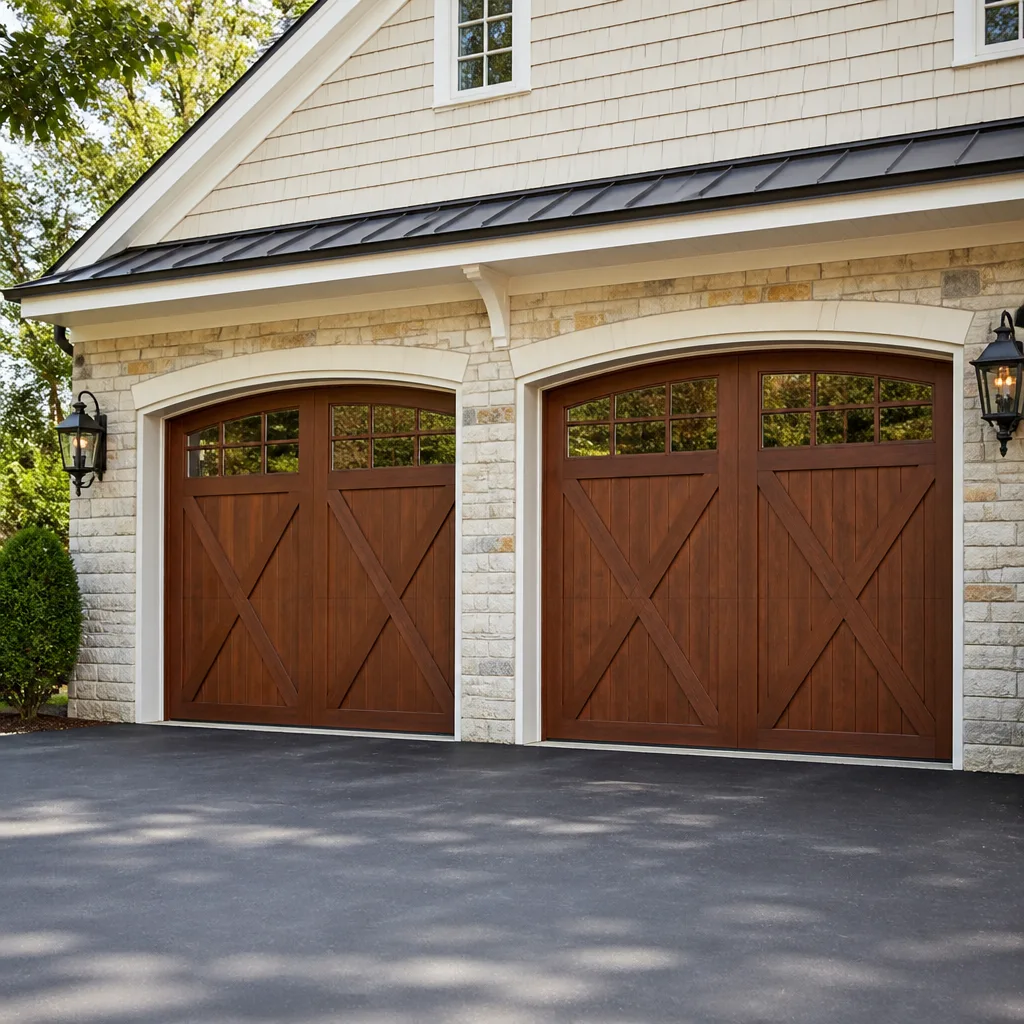 Carriage house
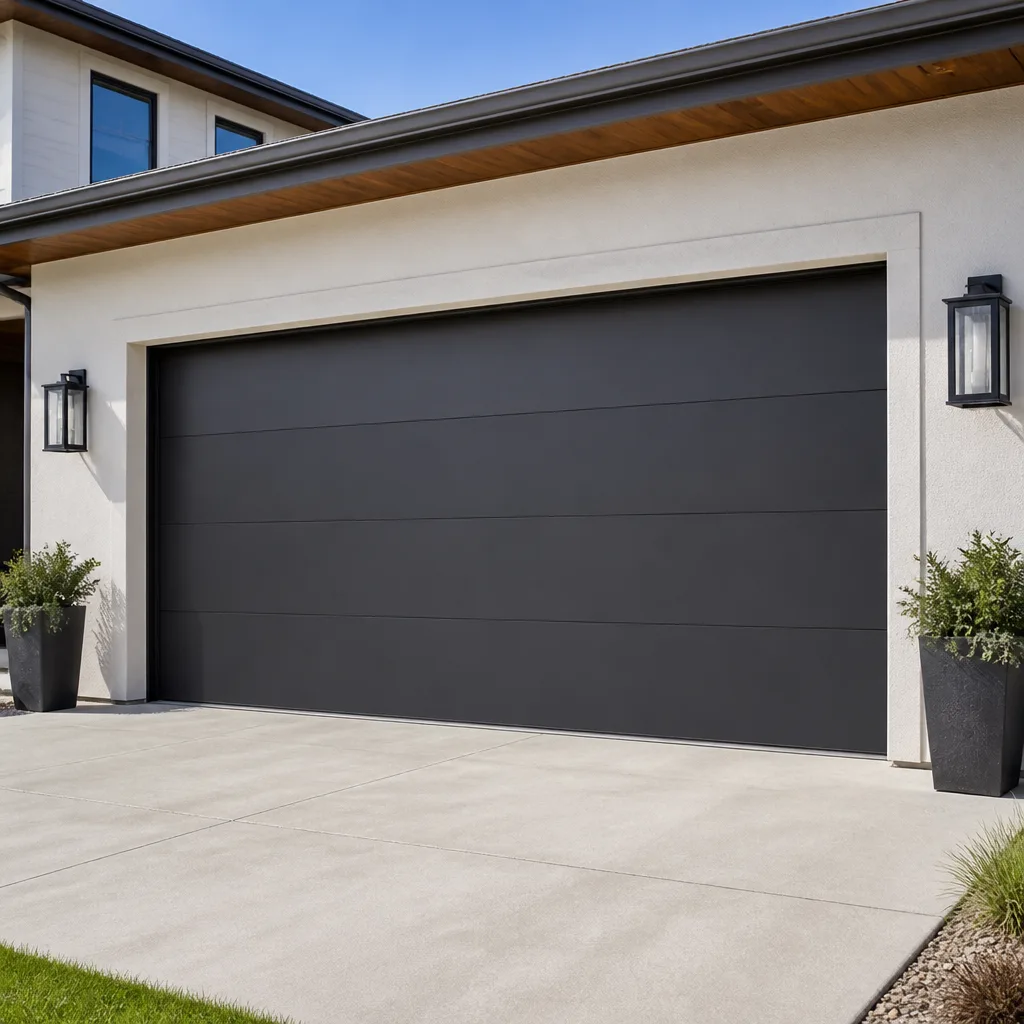 Modern flush
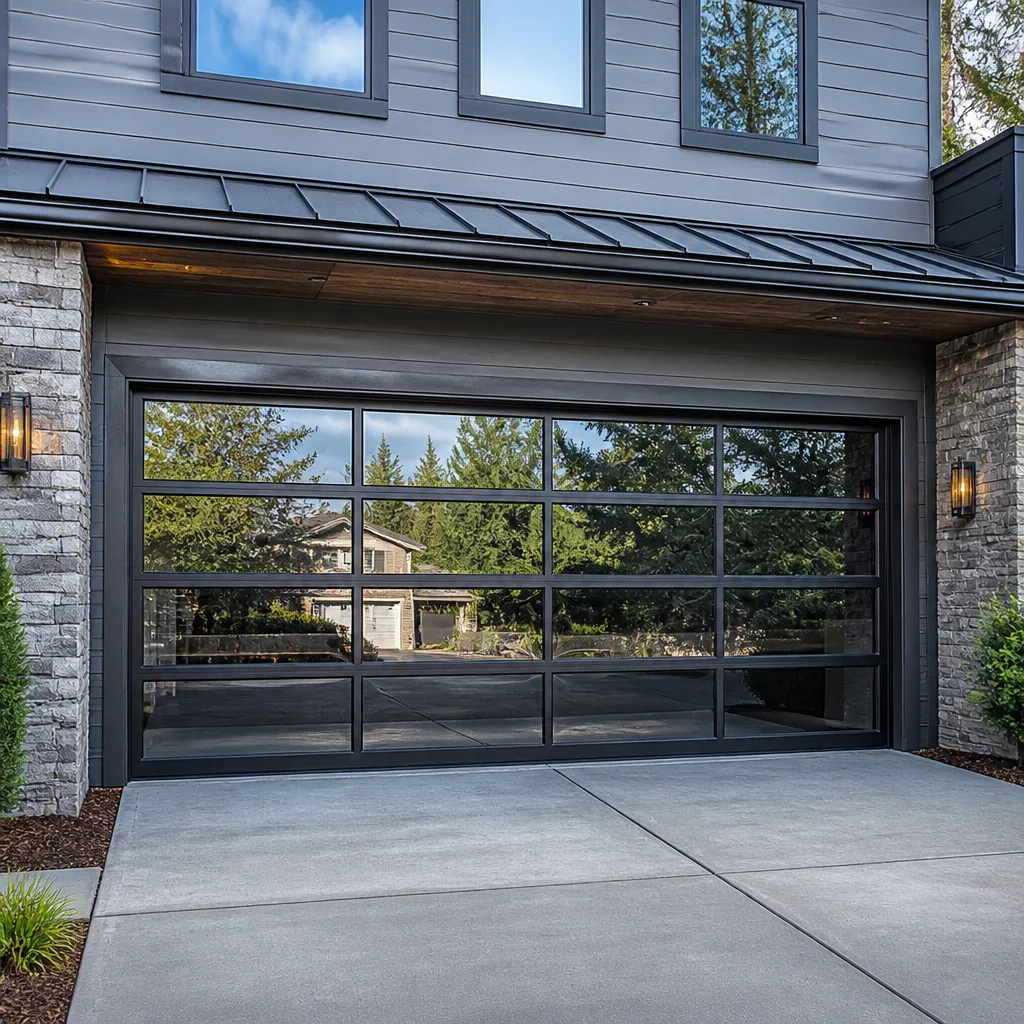 Full-view glass
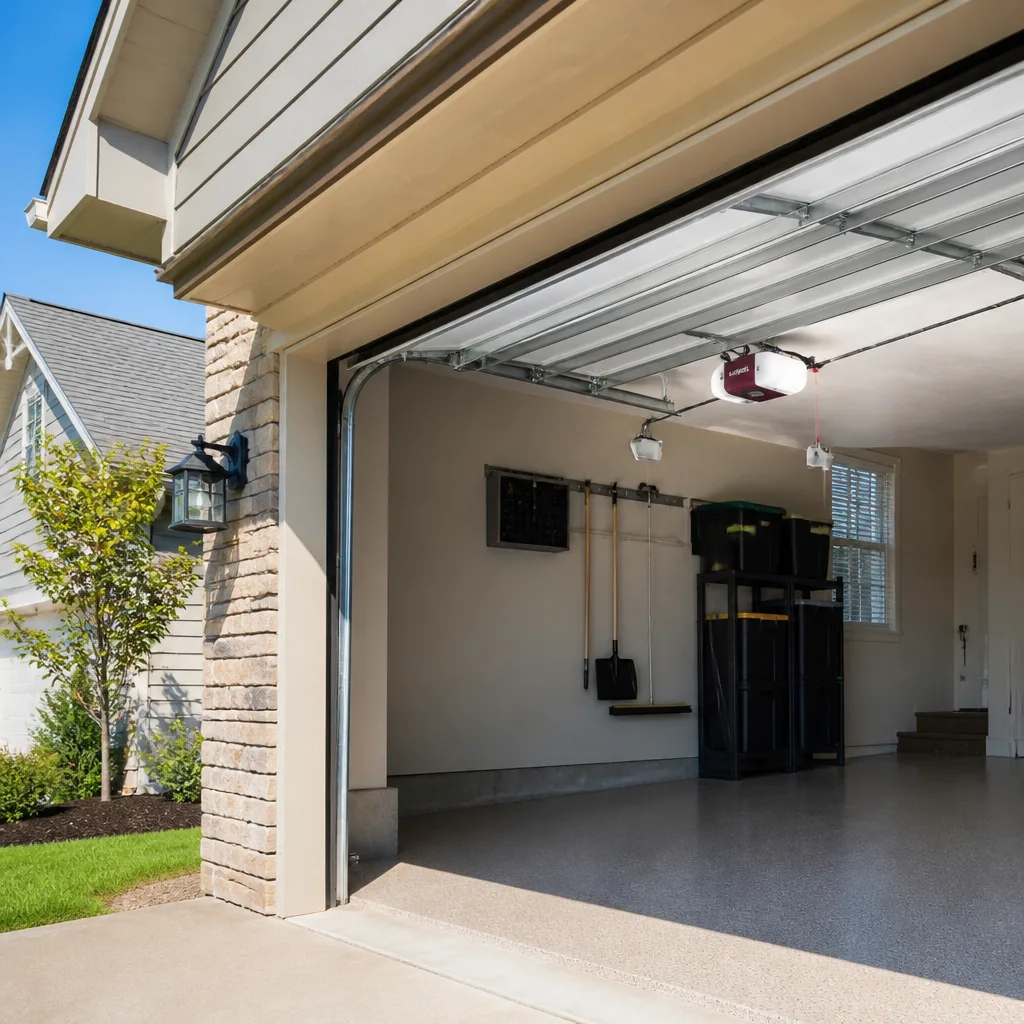 LiftMaster openers
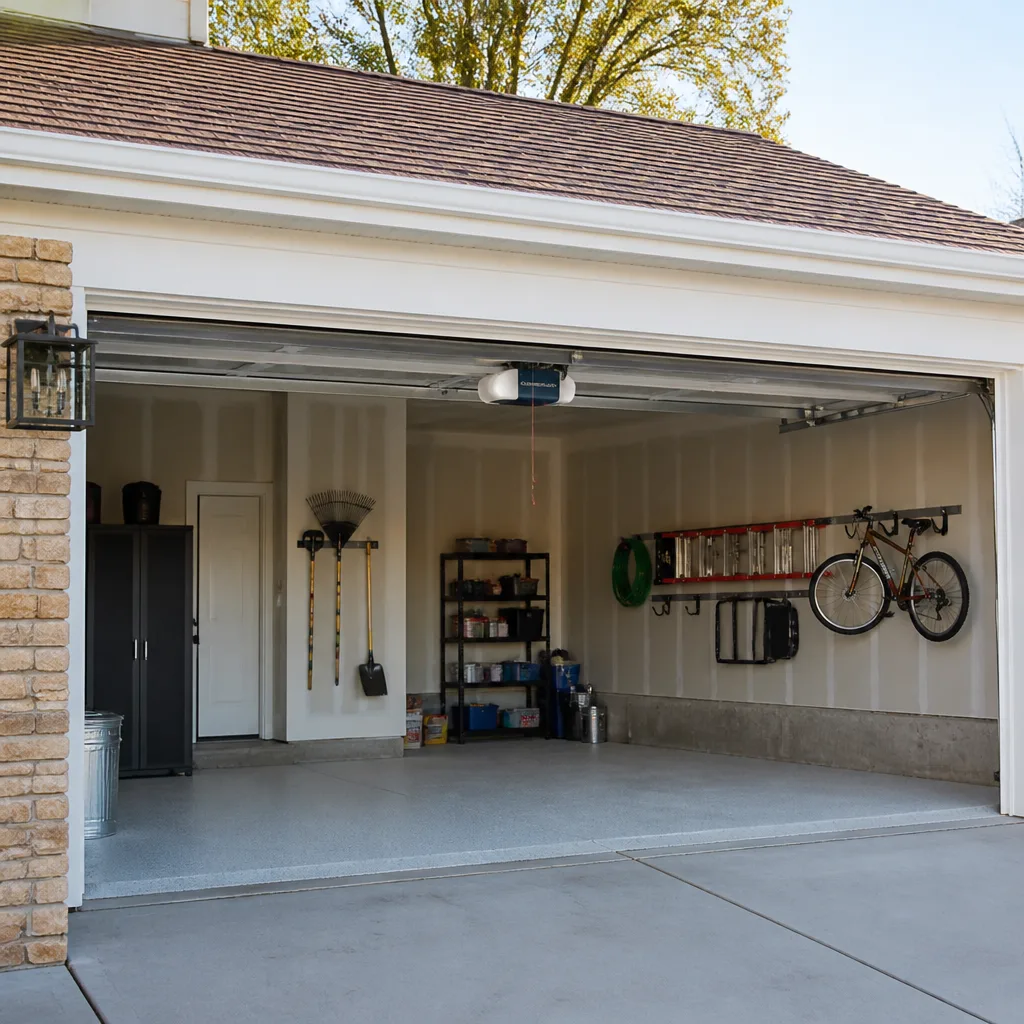 Chamberlain openers
Full 25-point door and opener safety check with every visit - springs, cables, rollers, tracks, and your LiftMaster or Chamberlain opener included
You get a price before we start. It does not change when the pro arrives.
Get your free estimateGarage Door Repair Troubleshooting in Woburn: Common Problems and How to Fix Them
A noisy garage door and a door that won’t open can share the exact same symptom but need completely different repairs. That’s the counterintuitive part most homeowners miss: the sound, the slowness, or the refusal to move is a symptom, not a diagnosis. Chasing the symptom wastes a weekend and often makes the real failure worse. This guide teaches you to think in systems instead, so you separate the spring system from the track and roller system from the opener and the safety sensors before you touch a single bolt. You’ll learn the failure signatures for each one, what’s safe to adjust yourself, and what deserves a trained technician. We’ll use what we see across Woburn to keep it grounded.
Quick Answer
Most garage door problems in Woburn trace to one of four components: worn torsion or extension springs, misaligned tracks and rollers (worsened by New England freeze-thaw cycles), a failing opener, or knocked-out safety sensors. Diagnose the component first, not the symptom. Homeowners can safely adjust safety sensors, limit screws, and lubrication, but spring replacement and cable work should always go to a trained professional because of the extreme mechanical tension involved.
Styles & brands we work with
- Raised-panel steel
- Carriage house
- Modern flush
- Full-view glass
- LiftMaster openers
- Chamberlain openers
Table of Contents
- Start With the Component, Not the Symptom
- Spring Failures: Torsion vs. Extension Signatures
- Track and Roller Problems in Woburn’s Freeze-Thaw Winters
- Opener Troubleshooting by Brand
- Safety Sensors and Photo-Eye Alignment
- The Manual Lift Test
- DIY vs. Professional: What’s Safe to Touch
- Common Mistakes to Avoid
- When to Call a Professional
Start With the Component, Not the Symptom
A residential garage door is a balance of four systems working together: the springs that counterbalance the door’s weight, the tracks and rollers that guide it, the opener that drives it, and the safety sensors that keep it from closing on something in the opening. When the door misbehaves, the symptom rarely points cleanly at the failing system. A door that won’t close could be a bad sensor, a misaligned track, or a stripped opener gear. A door that slams down could be a broken spring or a badly set force limit.
That’s why we teach a component-first framework. Before you climb a ladder or call anyone, run through these four questions in order:
- Does the door feel impossibly heavy when you lift it by hand? If yes, the spring system is the suspect. Stop there.
- Does the door bind, scrape, or pull to one side as it travels? That points at tracks and rollers.
- Does the opener run but the door doesn’t move, or move only partway? That’s the opener or the drive mechanism.
- Does the door reverse for no visible reason? Start with the safety sensors.
Answer those honestly and you’ve narrowed a dozen possible faults down to one system. Everything else in this guide builds on that order. We’re a Woburn garage door company, and the single biggest time-saver we can hand a homeowner is this habit of separating the systems before reaching for a wrench.
Spring Failures: Torsion vs. Extension Signatures
Spring failure is a safety issue, not just an inconvenience. The springs carry the weight of a door that can run well over a hundred pounds, and when one lets go the door becomes unsafe to operate manually or with the opener. You need to recognize which kind you have and what a failure looks like, but you should not attempt a repair yourself. Here’s the diagnostic part you can do safely from the ground.
How to tell which spring system you have
- Torsion springs mount horizontally on a shaft above the door, usually one or two coiled springs near the center. They twist to store energy.
- Extension springs run along the horizontal tracks on each side of the door, stretching and contracting as it moves.
Torsion spring failure signatures
A torsion spring usually fails with a sharp bang that sounds like a gunshot from inside the garage. Afterward you’ll see a visible gap in the coil where the spring separated, and the door will feel extremely heavy with no counterbalance. The opener may strain or trip its force limit trying to lift it.
Extension spring failure signatures
An extension spring tends to fail with a stretched-out, dangling look or a visible break in the coil, and the door hangs heavier on that side. The sound is closer to a metallic snap or twang rather than a single loud crack.
If your springs are the failing component, that’s the moment to stop diagnosing and hand it to a professional. Our garage door spring repair covers both torsion and extension systems with technicians working under controlled tension. Call (877) 792-5970 when you suspect a spring, and don’t run the door in the meantime.
Track and Roller Problems in Woburn’s Freeze-Thaw Winters
Woburn sits squarely in New England freeze-thaw country, and that shapes the track problems we see here in a specific way. Through a winter, meltwater from roads and driveways works its way into the small gaps around the door and along the floor, then refreezes overnight. That repeated freeze and thaw pushes and pulls at the door frame and the track anchors. Over a few seasons, a track that started perfectly plumb can drift out of alignment, and rollers that were quiet in October start to groan by February.
You can spot a misaligned track without special tools:
- Look down the track from the door opening. The vertical sections should be straight and parallel. A visible bow or kink means the door will bind.
- Listen for scraping on one side. A door that rubs on the left going up but not the right is telling you one track has moved.
- Check the gap between the door and the track. Uneven gaps from top to bottom signal a twist.
- Inspect the floor line. A track base that’s pulled away from the wall or sitting in pooled water is a candidate for realignment.
On older homes around Woburn, wood frame movement adds to the effect, and tracks can shift even without weather. Rollers wear too: nylon rollers develop flat spots and steel rollers lose their bearings, both of which add noise and drag. Small alignment corrections and roller swaps are within reach for a careful homeowner working with the door down and the opener disconnected. If a track is bent, cracked at an anchor, or the door visibly pulls to one side, that’s a structural correction and belongs with someone who knows the tolerance.
Opener Troubleshooting by Brand
The opener is its own technical discipline. The motor, the logic board, the force and travel settings, the remotes, and any smart-home connection all fail in different ways, and the diagnostics differ by manufacturer. We work on LiftMaster, Chamberlain, Genie, Clopay, Amarr, Wayne Dalton, Craftsman, and Raynor systems, and each brand speaks its own language when something’s wrong. Two examples homeowners ask about constantly:
LiftMaster and Chamberlain error codes
LiftMaster and Chamberlain openers (they share a lot of engineering) communicate problems through LED blink patterns and error codes on the motor unit. A specific number of blinks usually maps to a category such as a sensor issue, a travel or force problem, or a logic fault. The most useful thing you can do is count the blinks exactly and note whether the light is on the motor, the wall control, or both. That count shortens the diagnosis substantially.
Chamberlain force-setting resets
Chamberlain openers let you adjust the up and down force limits. If the door reverses on the way down or stops short on the way up, the force setting may have drifted after a season of temperature swings. Resetting force limits to match the door’s actual travel is a genuine homeowner task, but only after you’ve confirmed the springs and tracks are healthy. Adjusting force on a binding door masks the real problem and stresses the opener.
Genie blink-pattern diagnostics
Genie units use their own blink sequence to report faults, and the pattern is different from LiftMaster’s. Recognizing which pattern means sensor trouble versus a travel limit issue versus a motor fault is the first step. If the opener runs but the door doesn’t move, suspect the gear or the drive assembly rather than the logic board.
If the opener itself is failing, our garage door opener repair handles the electronics, remotes, and smart-drive systems separately from the door hardware, because they really are a different job.
Safety Sensors and Photo-Eye Alignment
The safety sensors are the two small units near the floor on each side of the door opening, and they’re the most common cause of a door that refuses to close. They shoot an invisible beam across the opening; if anything interrupts it, the door reverses. Woburn’s winters make sensor problems more frequent because snow, ice, and road grit pile up around them, and a bumped sensor bracket throws the beam out of line.
Checking and correcting sensor alignment is one of the truly safe homeowner fixes:
- Look at each sensor’s indicator light. A steady light on both typically means the beam is intact. A blinking or dark light on either one means trouble.
- Clear any debris, snow, or ice from in front of both sensors.
- Loosen the bracket slightly and aim the sensor so its light faces the other unit directly.
- Confirm both indicator lights are steady, then test by closing the door.
If the lights won’t steady even after careful aiming, the sensor itself or its wiring may have failed. That’s still a modest repair but one worth handing to a technician to trace the wire fault safely.
The Manual Lift Test
The manual lift test is the single most useful check you can run, because it isolates the door from the opener and tells you whether the door is balanced. Do it with the door closed and the opener disconnected using its release cord or lever. Then lift the door by hand about halfway.
- If the door feels extremely heavy and won’t stay up, the springs are the problem. Stop and call a professional.
- If it lifts easily but doesn’t stay put and slides back down, the springs may be under-tensioned or the balance is off.
- If it lifts smoothly, stays roughly in place halfway up, and lowers without binding, the door and springs are healthy and the fault is likely in the opener or the sensors.
This one test tells you which side of the diagnosis you’re on. If the door passes the lift test but won’t work with the opener, you’re chasing an opener or sensor issue, not a spring. If it fails the lift test, put the ladder away and stop.
DIY vs. Professional: What’s Safe to Touch
A clear line separates the fixes a homeowner can safely handle from the ones that carry real injury risk. Knowing that line keeps you safe and saves you from turning a small repair into a large one. Here’s the honest split.
Safe for a careful homeowner
- Safety sensor alignment and cleaning – aiming the photo-eyes and clearing debris.
- Limit screws and travel settings – adjusting how far the door opens and closes.
- Lubrication – applying a proper garage door lubricant to rollers, hinges, and springs (not on the tracks themselves).
- Force-setting resets on Chamberlain-style openers – once you’ve confirmed the door is balanced.
- Replacing batteries in remotes and wall controls.
Requires a trained professional
- Any spring replacement or adjustment – torsion and extension springs are under extreme tension and can cause serious injury.
- Cable restringing or replacement – cables move at high force and can snap violently.
- Track realignment or replacement when the track is bent or its anchors are compromised.
- Opener motor, gear, or logic board repair.
- Panel or section replacement on a damaged door.
If you’re ever unsure which side a task falls on, it belongs with a professional. Our technicians have up to 10 years of experience with these systems, and our general garage door repair work covers the full range from a single sensor to a complete door correction.
Common Mistakes to Avoid
- Adjusting the force setting to fix a heavy door. Boosting force to overcome a binding door stresses the opener motor and hides a spring or track problem that will only get worse. Fix the balance first, then reset force.
- Lubricating the tracks. Tracks should stay clean and dry; lubricant attracts grit and makes rollers slip. Lubricate rollers, hinges, and springs instead.
- Ignoring the manual lift test. Skipping it means you may replace the opener when the springs are actually shot. It takes two minutes and saves the wrong repair.
- Replacing one spring of a matched pair. Springs wear together; replacing one leaves the door unbalanced and the older spring likely to fail next. Replace the pair.
- Assuming a single symptom points to a single cause. A door that won’t close could be sensors, a track, or the opener’s force limit. Diagnose the component, not the symptom.
- Clearing ice around the door with a sharp tool. Scraping near the track or weather seal can bend the track or tear the seal. Use gentle methods that don’t catch hardware.
- Letting a stuck-open door sit overnight without a plan. In Woburn, an open garage is a security and freeze risk. If the door won’t close and you can’t fix it safely, treat it as urgent.
When to Call a Professional
Call a professional the moment a spring fails, a cable snaps, a track is bent, or the door won’t stay up in the manual lift test. Those are the high-tension and structural repairs where a mistake can cause serious injury. Also call if the door is stuck open and you can’t secure it, if the opener is dead and the door is your primary exit, or if a panel is damaged and the door no longer closes cleanly. And call if you’ve tried the safe adjustments above and the problem persists, because persistent faults usually mean a component has worn out rather than drifted. Woburn Garage Door Repair Pros offers free estimates in Woburn. Call (877) 792-5970, and if the door is stuck open or stuck closed we treat it as urgent.
See the difference
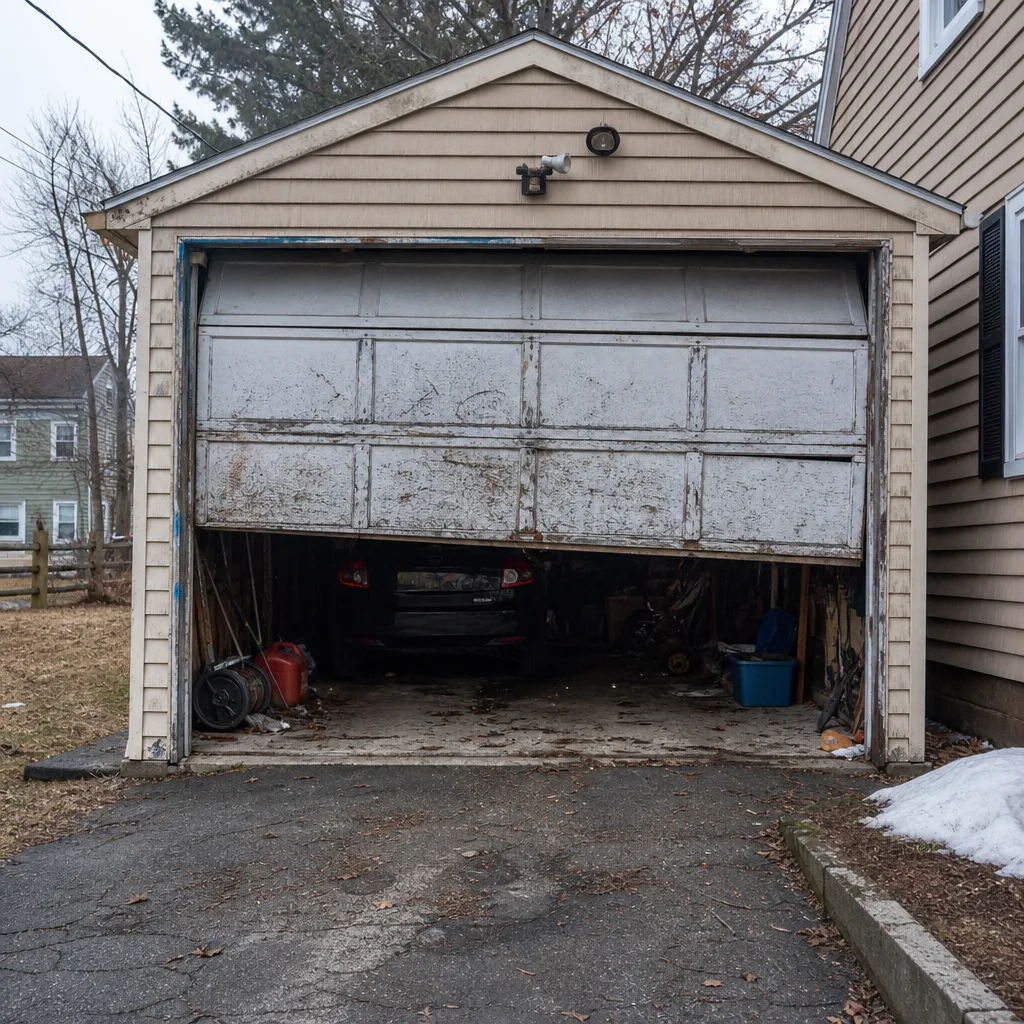 Before
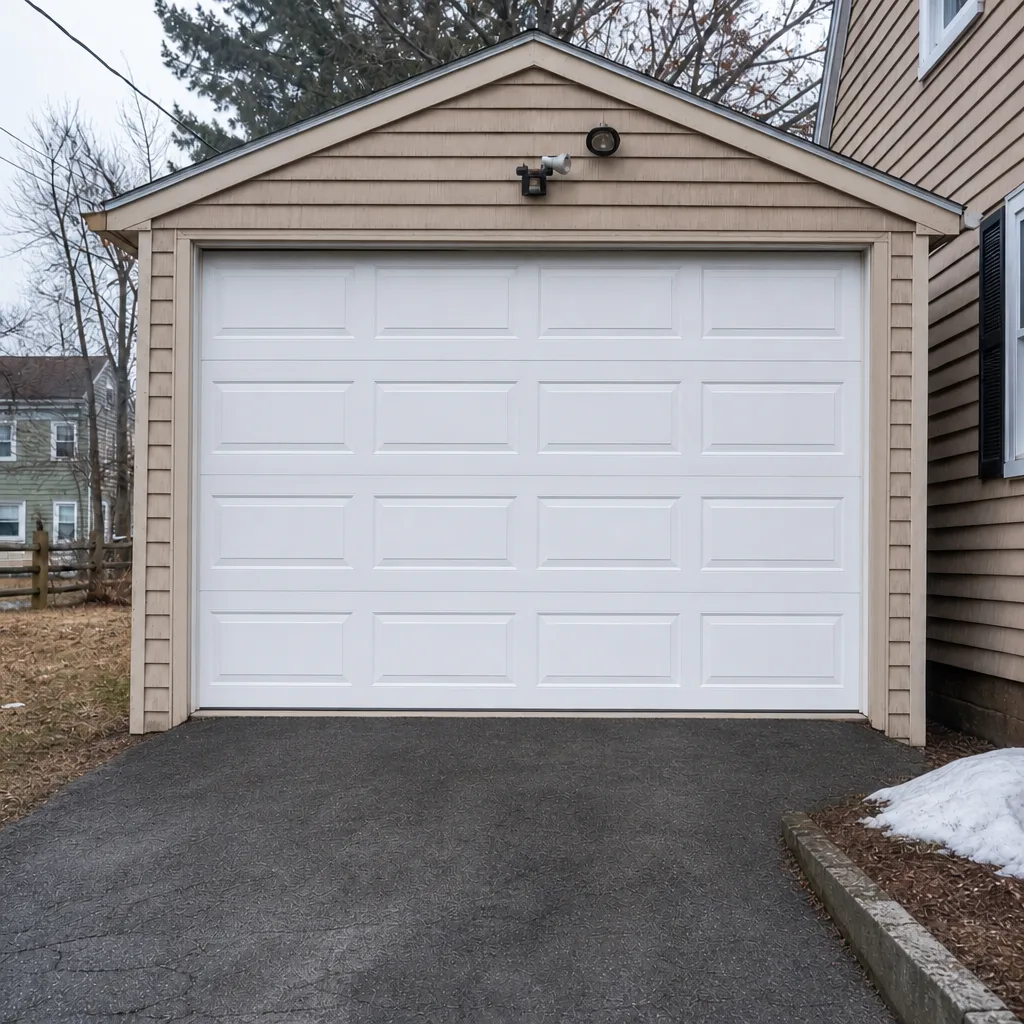 After
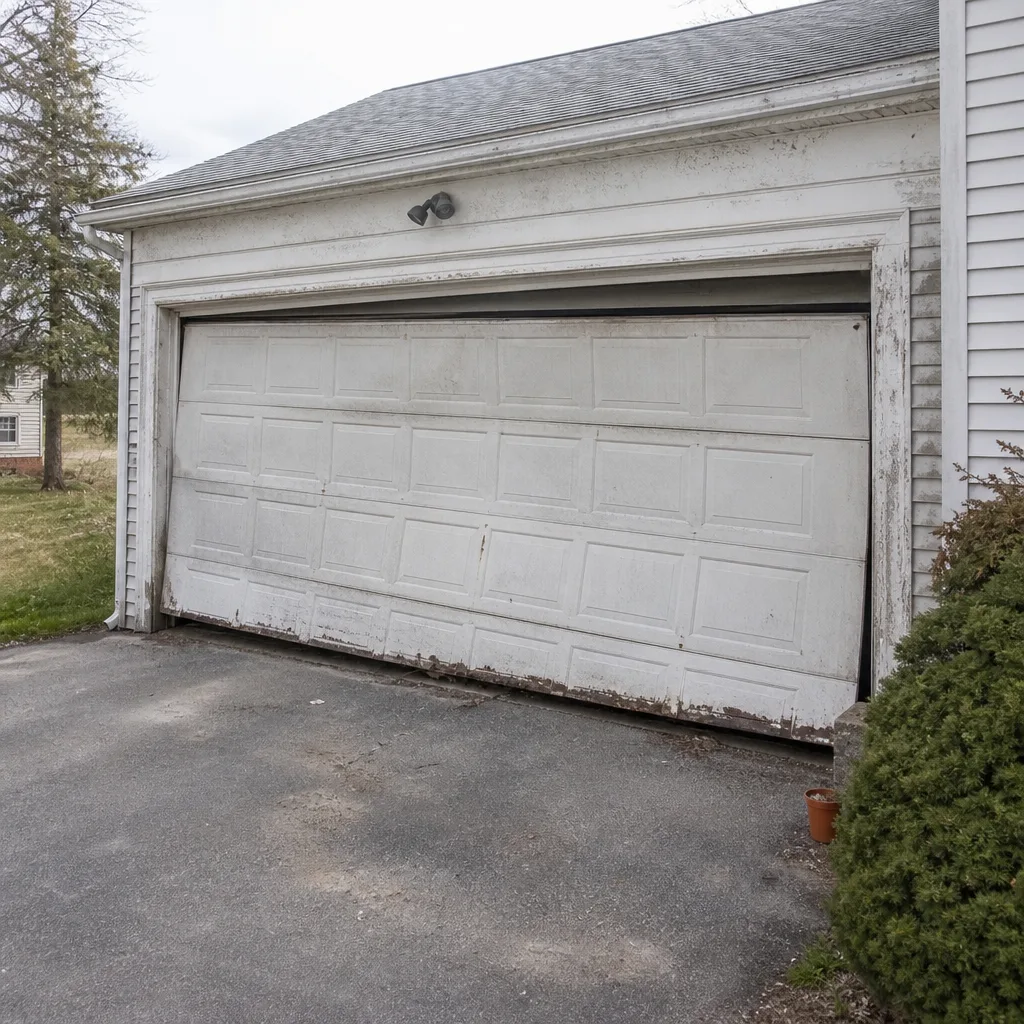 Before
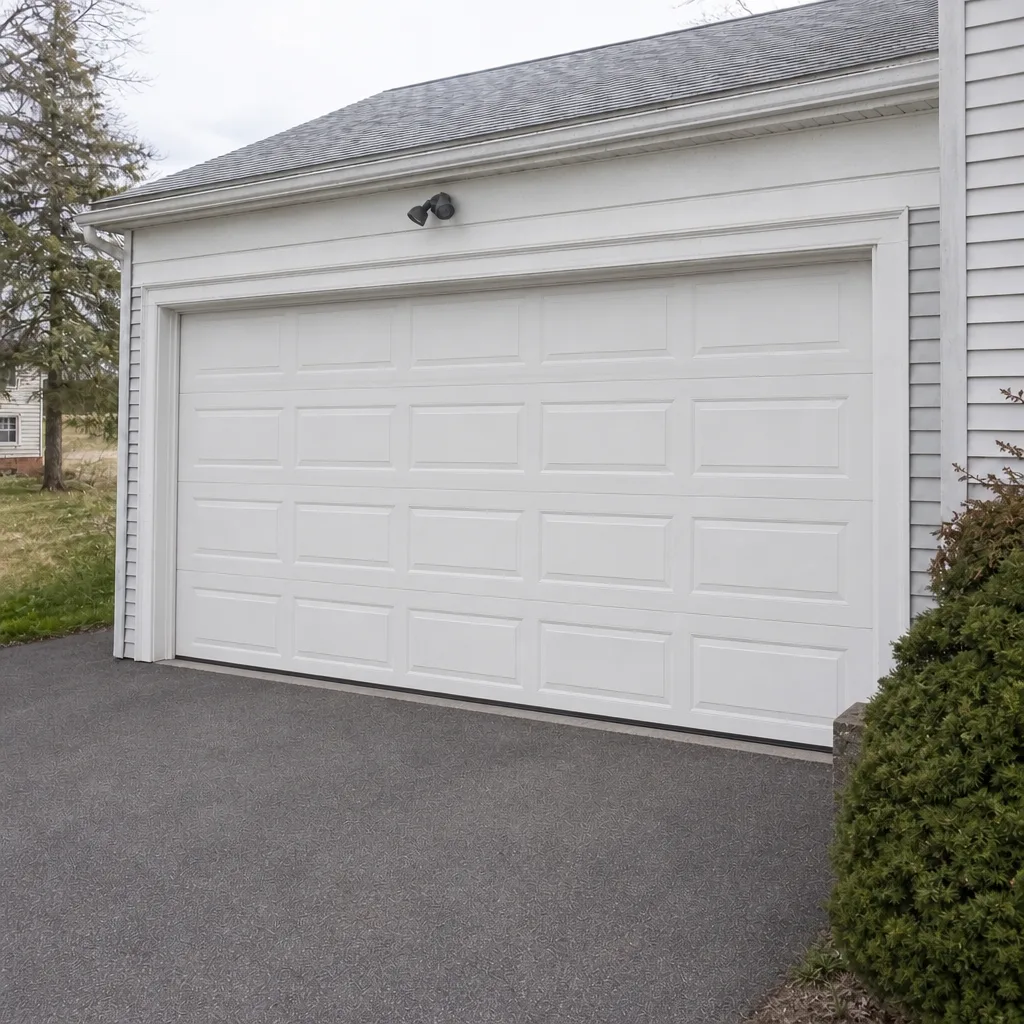 After
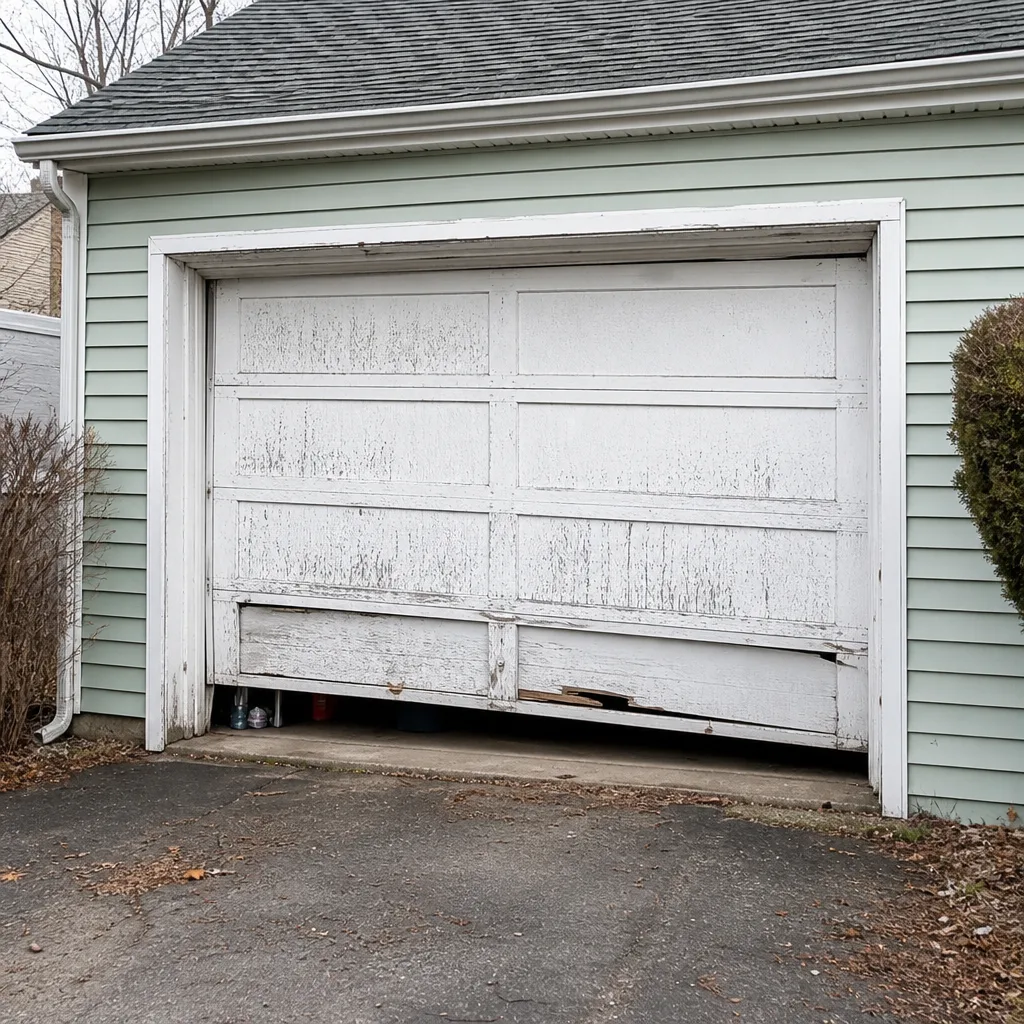 Before
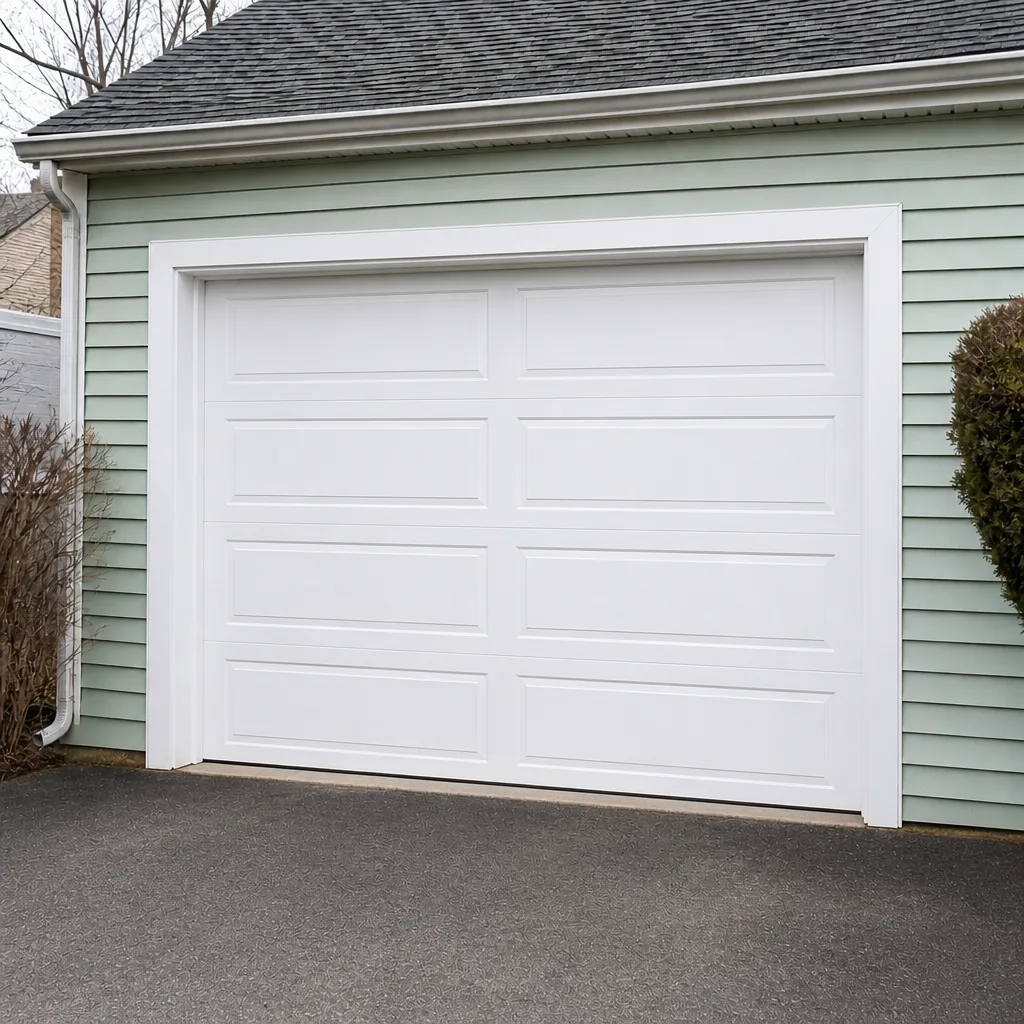 After
Frequently Asked Questions
Spring repair is quoted per job after we see the door, and the written estimate sets the final price before any work starts. Costs depend on whether you have torsion or extension springs, whether it’s one spring or a matched pair, and the door’s size and weight. Call (877) 792-5970 for an exact quote. Estimates are free.
Yes, a door stuck open is a security risk and we treat it as urgent, with emergency same-day availability for Woburn homeowners. Fast dispatch runs from 7am to 7pm. Call (877) 792-5970 and we’ll get you on the schedule.
A torsion spring usually breaks with a loud bang and shows a visible gap in the coil, while an extension spring looks stretched or dangling with a visible break. In both cases the door becomes very heavy to lift. If you suspect a spring, stop operating the door and call a professional.
No surprise changes. We diagnose the door and quote the price before any work starts, and you agree to it first. If we find a second worn component during the diagnosis, we tell you the added cost up front and get your approval before touching it. Call (877) 792-5970 for a free estimate.
The local pro we connect you with is licensed and insured as Massachusetts requires, and our technicians have up to 10 years of experience with LiftMaster, Chamberlain, Genie, and Clopay systems as well as other major brands. Ask us to confirm credentials for your job when you call.
A door that opens partway and stops usually has a travel-limit or force-setting issue on the opener, or a spring that’s lost tension. Run the manual lift test: if the door is heavy by hand, it’s a spring problem; if it lifts easily, suspect the opener’s settings. Call (877) 792-5970 if it doesn’t resolve.
We service LiftMaster, Chamberlain, Genie, Clopay, Amarr, Wayne Dalton, Craftsman, and Raynor systems, plus most other residential doors and openers. If it’s a residential garage door system, there’s a good chance we’ve worked on its sibling already. Start with garage door repair or call (877) 792-5970 to confirm your model.
The Bottom Line
The fix you need depends on the component that’s failing, not the symptom you’re hearing. Diagnose in order: springs first via the manual lift test and the sound of a bang or a snap, then tracks and rollers with a look down the line and a listen for scraping, then the opener and its brand-specific codes and blink patterns, then the safety sensors and their indicator lights. Woburn’s freeze-thaw winters make track drift and sensor trouble more common, so those checks belong on your seasonal list. Handle sensor alignment, limit screws, and lubrication yourself. Hand anything under spring or cable tension to a professional. If you’d rather skip the guesswork, we’re here. Woburn Garage Door Repair Pros connects you with an independent local pro for diagnosis through installation, and our Woburn Garage Door Repair Pros service starts with a free estimate and a straight answer. Call (877) 792-5970 today.
Written by the team at Woburn Garage Door Repair Pros.