Last updated November 23, 2026
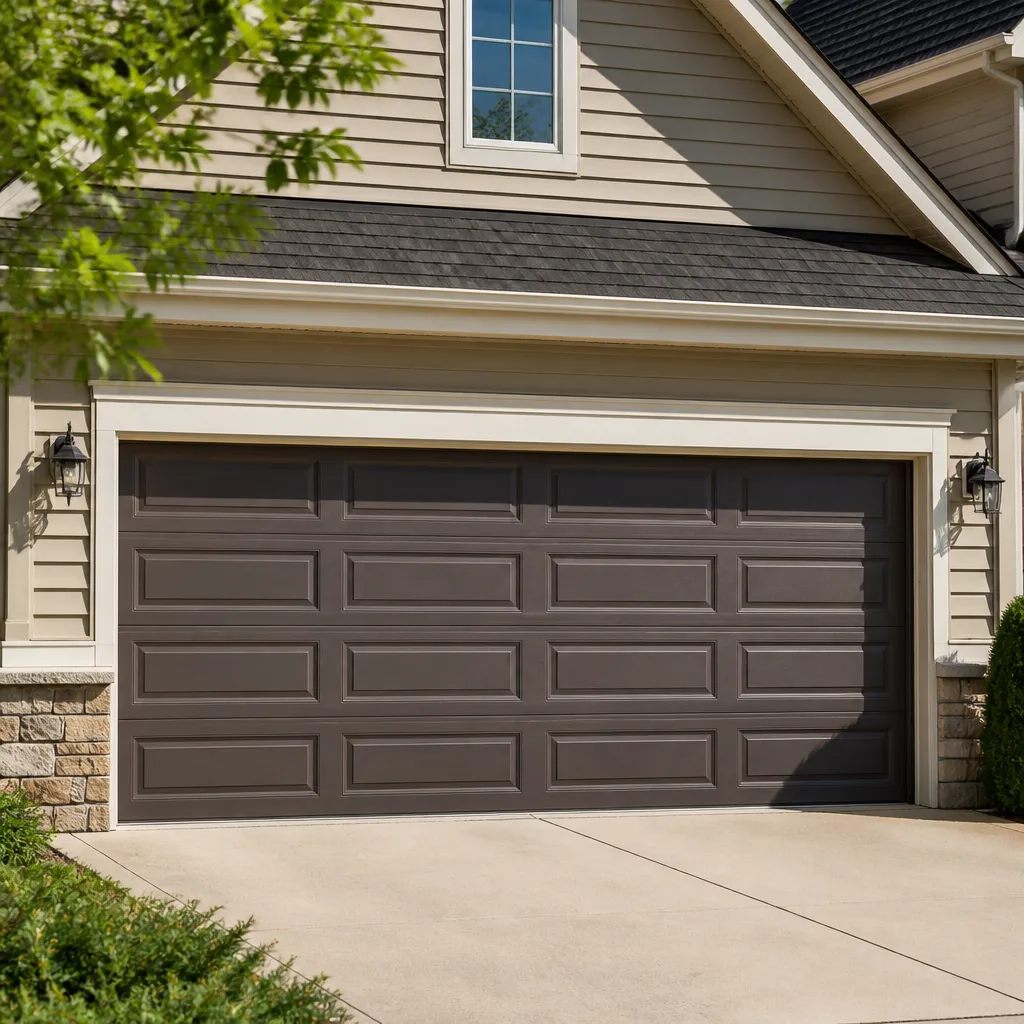 Raised-panel steel
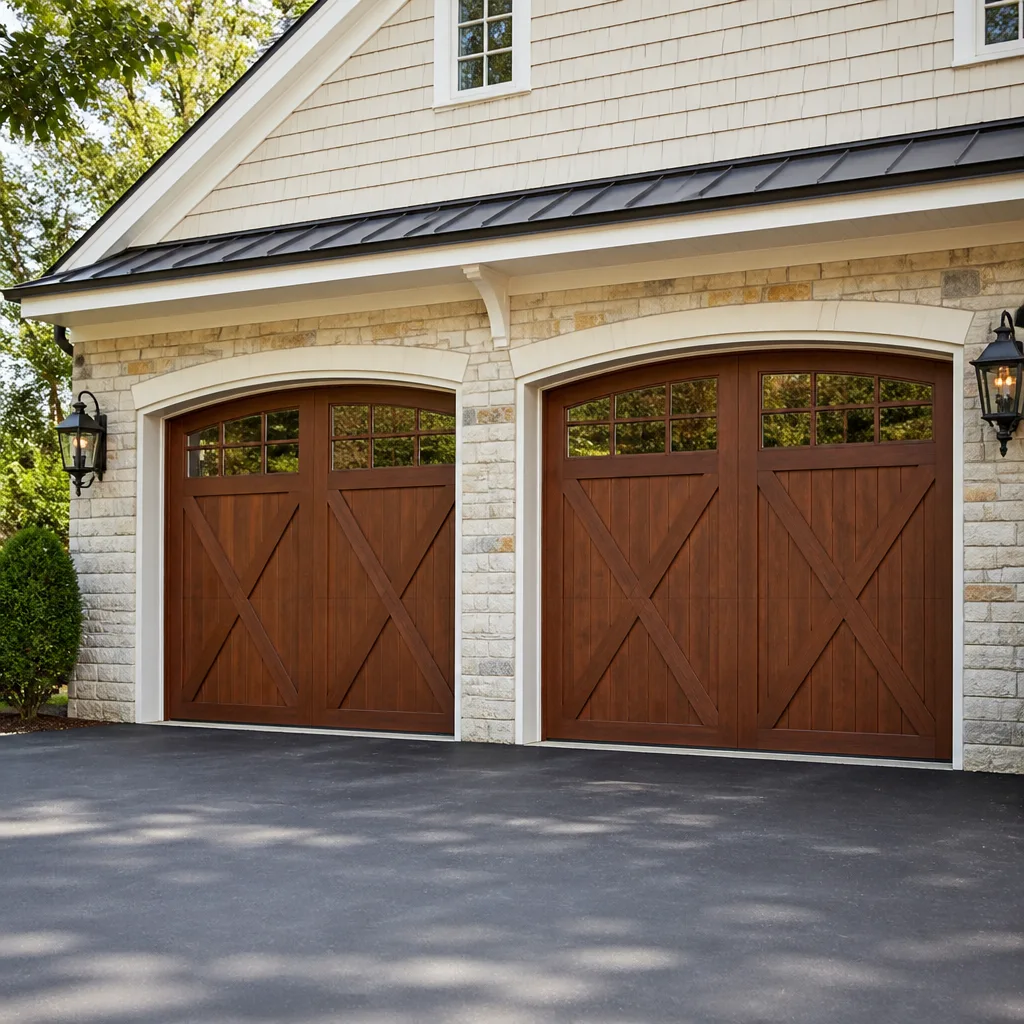 Carriage house
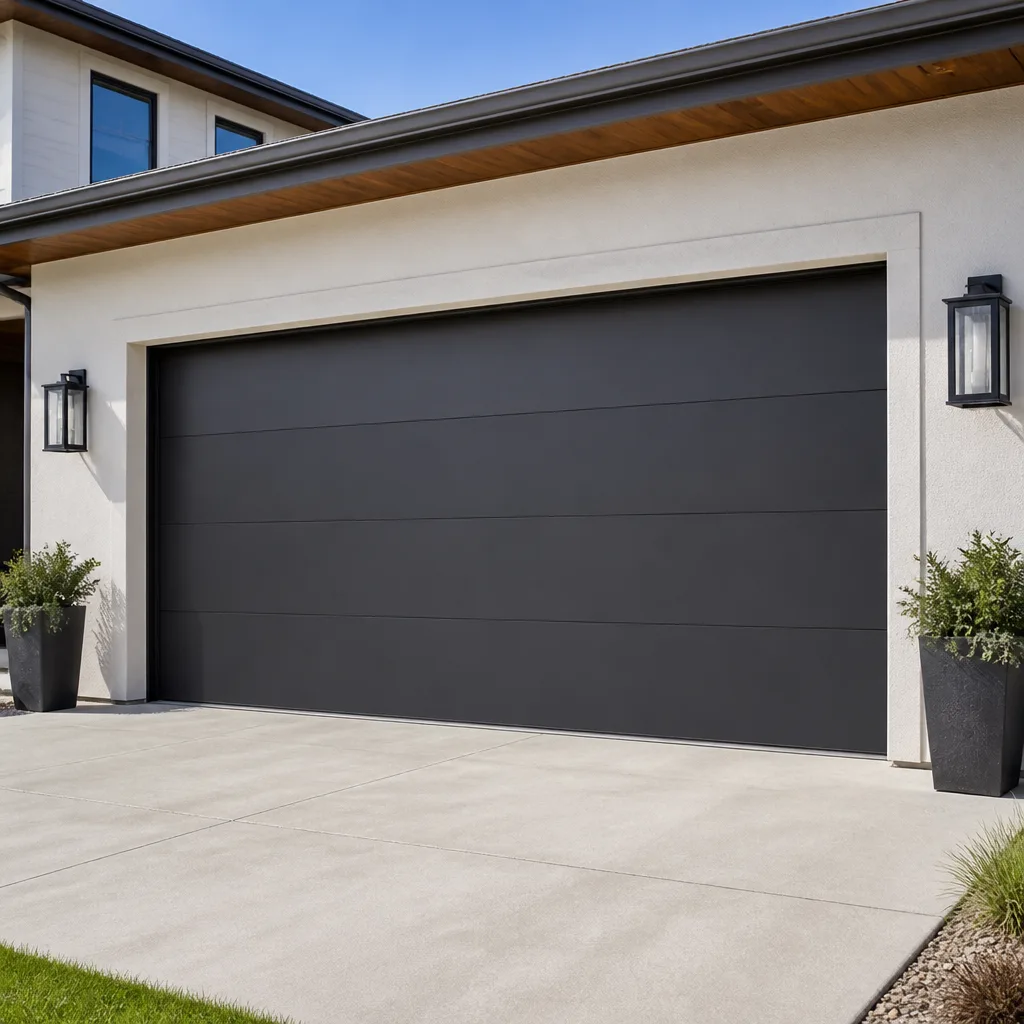 Modern flush
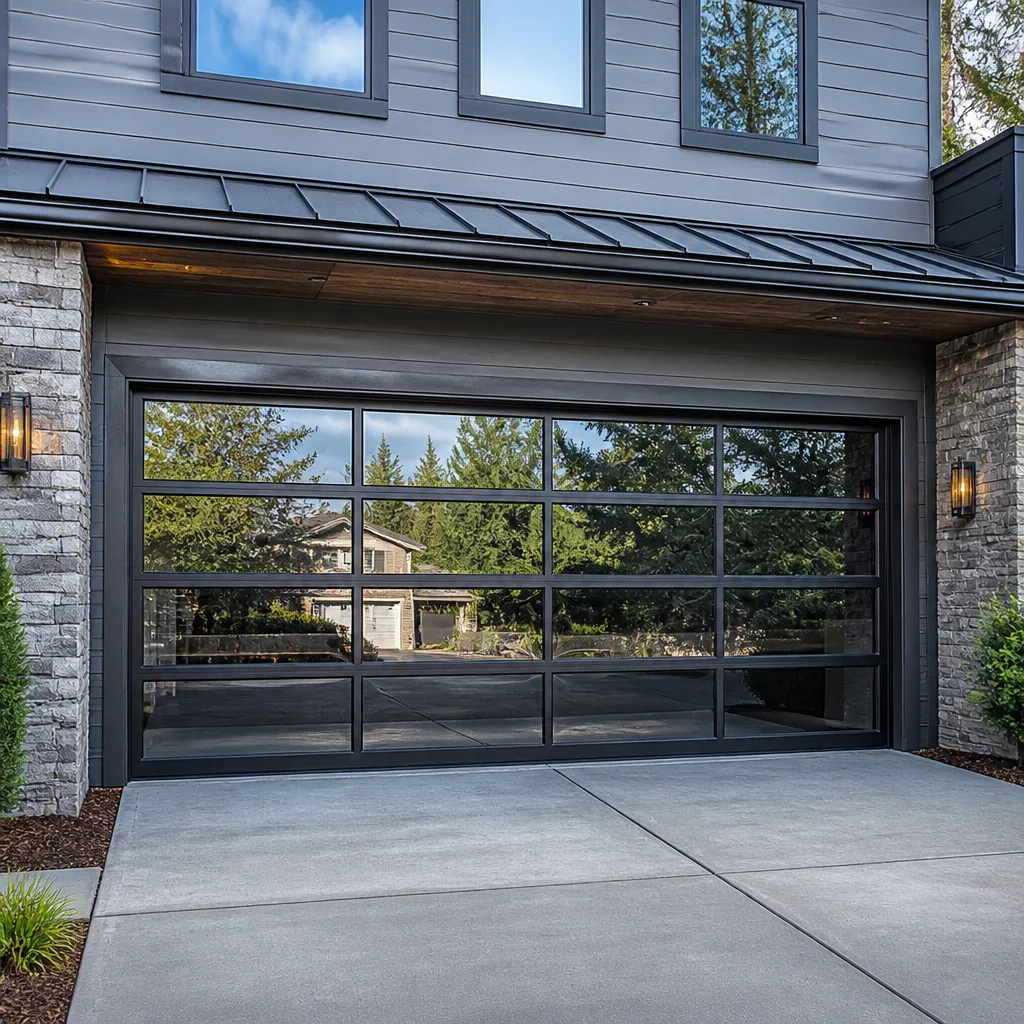 Full-view glass
 LiftMaster openers
 Chamberlain openers
Full 25-point door and opener safety check with every visit - springs, cables, rollers, tracks, and your LiftMaster or Chamberlain opener included
You get a price before we start. It does not change when the pro arrives.
Get your free estimateSeasonal Garage Door Care for Woburn: Year-Round Homeowner’s Guide
Your garage door doesn’t care about the calendar. It cares about temperature swings. In Woburn, two six-week windows – the late fall freeze-up and the early spring thaw – cause more damage than the other forty weeks combined. Most homeowners treat garage door care as a spring-cleaning chore, something to think about when the weather turns pleasant and the door starts acting up. That’s backwards. The failures you notice in April were set in motion in November, and the ones that strand you in January were decided by how the door was treated in October. This guide walks through the full Woburn year, one season at a time, and shows you where to spend your attention so the door keeps working every time you press the button.
Quick Answer
Seasonal garage door care in Woburn means front-loading your maintenance into two transition windows: an October-to-November freeze-up checklist (seals, threshold, roller lubrication, and one manual door operation before the first hard freeze) and an early-spring check after the March-April thaw, when repeated freeze-thaw cycling has quietly fatigued your springs and cables. Summer care focuses on opener motor heat and humidity-driven binding on wood doors; winter is mostly about keeping the bottom seal intact and the door clear of ice.
Styles & brands we work with
- Raised-panel steel
- Carriage house
- Modern flush
- Full-view glass
- LiftMaster openers
- Chamberlain openers
Table of Contents
- Why Woburn’s Climate Puts Two Seasons of Stress on Your Door
- The Fall Sequence: What Belongs in October and What Waits for November
- The Freeze-Up Checklist: Getting Ready Before Temperatures Drop Below 20°F
- Why the Spring Thaw Breaks More Cables and Springs Than Winter Does
- The One Spring Task That Should Happen Every Year
- Summer Care: Opener Heat, Foggy Photo-Eyes, and Wood Door Binding
- Winter Care: Ice, Snow, and the Bottom Seal
- A Woburn Month-by-Month Garage Door Calendar
Why Woburn’s Climate Puts Two Seasons of Stress on Your Door
A garage door is a large moving assembly made of metal, wood, plastic and rubber, and every one of those materials expands, contracts or stiffens as the temperature moves. In a climate with mild, stable seasons, that change happens slowly and the door adapts. Woburn doesn’t offer that stability. The temperature here swings hard between summer humidity and deep winter cold, and the two windows where it moves fastest – late fall and early spring – are where the wear concentrates.
Think about what actually happens to the components. Steel tracks and hinges contract in the cold. Rubber seals harden and lose their give. Lubricant thickens and stops flowing into the joints where it’s needed. Springs, already under constant tension, are cycling through a temperature range that changes their behavior day by day. None of this is dramatic on its own. Stacked together, it’s the difference between a door that glides and one that groans, binds, or fails.
Woburn’s housing stock adds its own variable. The city has a wide mix of older homes and newer construction, and the garages attached to them range from unheated, drafty spaces to tightly built ones. An unheated garage tracks the outdoor temperature closely, so its door sees the full swing. A better-sealed garage stays more moderate but traps humidity. Either way, the door is working harder than a homeowner usually realizes, and the two transition windows are when that work shows up as a problem.
This is why we structure seasonal care around the freeze-up and the thaw rather than dividing the year into four equal parts. The other months matter, but they’re maintenance. Those two windows are triage.
The Fall Sequence: What Belongs in October and What Waits for November
The single most common fall mistake is waiting until the first cold snap to do everything at once. By then the temperature has already dropped, the lubricant is stiff, and you’re inspecting a door in weather that makes the job harder and the findings less clear. Split the work. October is for inspection and correction while the weather still cooperates. November is for the final pre-freeze pass once the door is already in good shape.
What belongs in October
- Inspect the bottom seal and threshold. Run your hand along the rubber and look for cracks, flattening or gaps where it meets the floor. A failing seal lets cold air, water and debris into the garage and puts extra load on the door every time it closes.
- Check the weatherstripping around the frame. The side and top seals take the same beating as the bottom. Look for sections pulling away from the jamb.
- Test the door’s balance. Disconnect the opener and lift the door halfway by hand. It should stay put. If it drifts down or feels heavy, the springs or the track need attention before winter.
- Look at the tracks and hinges for looseness. Tighten what’s clearly loose; leave anything that looks bent or out of alignment to a technician.
- Clear the garage floor and the door’s path. Stored items creeping toward the door’s travel is a quiet cause of binding that shows up once the door gets stiffer in the cold.
What waits for November
- Lubricate rollers, hinges and the torsion spring’s coils lightly once temperatures are reliably cool but before the first hard freeze. Cold-thickened lubricant applied too early just collects dust; applied correctly, it carries the door through the freeze.
- Manually operate the door once. Before the first deep freeze, disconnect the opener and run the door up and down by hand. You’re listening for grinding, feeling for drag, and confirming the door still moves freely. A door that binds by hand in November will bind harder in January.
- Re-check the bottom seal after the first cold week. Rubber that looked fine in October can stiffen and pull away when the temperature drops. This second look is the one that catches it.
Splitting the work this way means November is a confirmation pass, not a scramble. If something has changed since October, you have time to get it fixed before the cold settles in – which is exactly what you want when the alternative is a garage door repair call in the middle of a cold snap.
The Freeze-Up Checklist: Getting Ready Before Temperatures Drop Below 20°F
Once the overnight temperature starts dropping below 20°F, lubrication stops doing its job unless it was applied beforehand. This is the window where the door’s moving parts need to be in good condition, not about to be. Here’s the checklist we walk homeowners through each fall:
- Bottom seal intact and pliable. No cracks, no gaps at the corners, no sections that have hardened into a rigid strip. A stiff seal is the first thing to tear once ice forms at the threshold.
- Threshold clear and level. The concrete or sill the door meets should be free of cracks and buildup. Water pooling at a low spot becomes ice overnight.
- Rollers turning freely and lubricated. Spin each roller by hand. A roller that feels gritty or stiff will drag harder in the cold and wear its track prematurely.
- Hinges and springs lightly lubricated. A thin film on the hinges and a light pass on the spring coils (from a safe distance, never with your hands in the mechanism) keeps the door moving smoothly when it matters.
- Opener force and travel checked. If the opener has been straining, it will strain more in the cold. A technician can check the force settings quickly. Don’t crank them up yourself to force a binding door to close.
- Manual operation confirmed once before the first hard freeze. Disconnect the opener, run the door by hand, confirm it moves freely and stays where you leave it.
One caveat that matters: torsion springs and cables are under high mechanical tension, and the freeze-up checklist is about checking, not adjusting. A homeowner can inspect a seal and spin a roller safely. Touching spring tension or cable tension is a different job entirely. We’ll get into that in the spring-check section, because spring failure is a safety issue, not just an inconvenience, and it’s one of the most common reasons Woburn homeowners call us in the cold months.
Why the Spring Thaw Breaks More Cables and Springs Than Winter Does
Here’s the counterintuitive part. Spring and cable failures spike after the thaw, not during the coldest weeks. The reason is metal fatigue from repeated freeze-thaw cycling. During a Woburn March and April, the temperature can cross the freezing point twice a day for weeks. Every crossing expands and contracts the steel. Springs that spent the winter under tension now cycle through that expansion and contraction on top of their normal load. Cables that were already showing a strand or two of wear feel the same stress. By the time the weather settles, the parts that were quietly degrading have had six weeks of extra work.
There’s a second effect that gets missed. The thaw exposes damage that winter was hiding. Ice and snow pack around the bottom seal and threshold, masking gaps and cracks. Water gets into those gaps and refreezes, prying the seal away from the door. When the ice finally clears in April, the seal is loose, the threshold is chipped, and the door no longer closes cleanly. Homeowners often describe this as the door “suddenly” failing, but it’s been failing since February – the thaw just made it visible.
The steel track is the third piece. Metal that contracted in the cold doesn’t always return to its original position cleanly. Slight bends and misalignments that seemed cosmetic in January become the reason the door binds or the rollers pop out of the track. A door that ran fine in December can need realignment by April.
What this means practically: the weeks after the thaw are the most important time of year to inspect the door, not the least. The parts most likely to have failed are exactly the ones that carry the most safety risk – the springs and the cables. If anything about the door feels different after the thaw, that’s a signal, not a coincidence. Our garage door spring repair work picks up noticeably in this window, and there’s a reason.
The One Spring Task That Should Happen Every Year
Every spring, regardless of how well the door seems to be performing, the door’s springs should be checked by a trained technician. Not because we’re looking for work, but because spring failure is unpredictable by nature and invisible from the outside. A spring can carry visible wear or show almost none, and the difference between the two has little bearing on when it breaks. The only way to catch a spring that’s nearing the end of its life is to have someone who knows what to look for actually look at it.
This is also the task homeowners are most tempted to skip, and the one that’s least worth doing themselves. Torsion springs hold hundreds of pounds of stored energy, and the tools and technique required to work on them safely aren’t things a homeowner should improvise. Cables are the same. A tension check by a trained technician is a routine visit. A DIY attempt on a spring under tension is how people get seriously hurt. We’d rather you call us for a check that comes back clean than for something worse.
What the annual check covers:
- Spring tension and coil condition, measured against the door’s weight.
- Cable condition and drum winding.
- Roller and hinge wear accumulated over the previous year.
- Track alignment after the winter’s expansion and contraction.
- Opener force settings, which should be confirmed against the door’s actual balance rather than adjusted by guesswork.
If the check turns up nothing, you’ve paid for confirmation and gotten a year of confident use out of the door. If it turns up a spring that’s close to failure, you’ve bought yourself the time to replace it on your schedule rather than discovering it when the door won’t open on a morning you need to leave. That’s the whole point of a spring check. It’s a calendar event, not a repair.
Springs across the brands we work on – Raynor, Clopay, and others in the eight major manufacturers we service – fail in the same underlying way: they cycle until they don’t. The brand tells us what kind of spring and what tension spec to expect; the year of wear is what determines when it goes. Both the brand-specific knowledge and the wear assessment belong in one visit.
Summer Care: Opener Heat, Foggy Photo-Eyes, and Wood Door Binding
Summer is the season homeowners expect the least trouble from, and mostly they’re right. But three specific issues show up in Woburn garages during the hottest weeks, and each one has a simple preventive angle.
Opener motor heat
Opener motors have a duty cycle – a limit on how many times they can run in an hour before they need to cool down. In a warm garage, that limit effectively shrinks. A door that’s slightly binding or a spring that’s somewhat off spec forces the motor to work harder, and the combination of heat and strain is what causes an opener to cut out mid-cycle or fail repeatedly on hot afternoons. If your opener is tripping its internal overload in July, the opener may not be the problem – the door it’s trying to move is. A check of the door’s balance and force settings often solves what looks like an opener failure. If the opener itself is the issue, the garage door opener repair call is the right next step, and we work on LiftMaster and Chamberlain systems regularly for exactly this pattern.
Photo-eye fogging
The safety sensors at the bottom of the tracks use infrared beams to detect obstructions. In humid summer weather, condensation can fog the sensor lenses and cause the opener to behave as if something is in the door’s path – often intermittently, which makes it harder to diagnose. If the door reverses or refuses to close on humid days and works fine on dry ones, the photo-eyes are the first thing to check. Wiping the lenses clean and confirming the alignment between them solves most of these. Persistent issues usually point to wiring or a sensor on its way out.
Wood door moisture expansion
Wood garage doors absorb moisture in humid weather and expand in the joints. The expansion is small, but it’s enough to cause panels to bind against the frame or the door to drag on one side. A wood door that runs smoothly in May and starts binding in August is showing normal seasonal movement. The fix is usually a track and hinge adjustment, not a door replacement. It’s also a good reminder to keep the door’s finish – stain or paint – in good repair, because a compromised finish lets moisture in faster and exaggerates the movement.
Winter Care: Ice, Snow, and the Bottom Seal
Woburn winters are the season when the door is called into service most and inspected least. The goal in winter is simpler than in fall or spring: keep water and ice away from the door’s moving parts and don’t force anything. A few rules that pay off:
- Don’t let snow and ice pile against the door. A drift against the bottom seal is water waiting to refreeze into the gap. Clear it off after storms rather than letting it sit.
- Keep the threshold dry where you can. If water pools at the door after a thaw, it’s a sign the threshold or the grading around the garage needs attention. That’s a warmer-weather fix, but the diagnosis is worth noting now.
- Don’t force a stuck door. If the door won’t move in cold weather, the mechanism is telling you something – a hardened seal, a frozen roller, a spring in trouble. Forcing it with the opener or by hand is how minor problems become expensive ones.
- Listen for new noises. Grinding, popping or a rhythmic thump in winter is often the first sign of a part that’s already failing. Winter noise is a diagnostic clue, not something to get used to.
- Treat a stuck door as urgent. Stuck open, the garage is a security gap. Stuck closed, you can’t get the car out. Both are worth treating as emergencies rather than waiting for a convenient repair window.
Winter is also when our emergency line gets the most calls, and we plan for that. If a door fails in Woburn in January, the homeowner shouldn’t have to wait for spring to get it working again.
A Woburn Month-by-Month Garage Door Calendar
If you want a single-page reference for the year, here’s how the tasks lay out across the Woburn seasons. This is the schedule we recommend to homeowners who want to get ahead of the failures rather than react to them.
- March-April (thaw): Post-thaw inspection of seals, threshold, tracks, springs and cables. This is the highest-priority check of the year. Get the annual spring check done now.
- May-June: Confirm the door is balanced and the opener force settings are correct for the warmer weather. Re-check the bottom seal for damage revealed by the thaw.
- July-August: Watch for opener heat cutouts, photo-eye fogging, and wood door binding. Clean and realign sensors. Adjust the track on wood doors as needed.
- September: Finish any repair work that showed up over the summer before the fall gets busy. This is the low-pressure window to get ahead.
- October: Full inspection – bottom seal, weatherstripping, balance, tracks, hinges. Fix what’s wrong while the weather’s still cooperative.
- November: Lubrication pass, manual operation check, second look at the bottom seal after the first cold week.
- December-February: Keep ice and snow clear of the door. Don’t force a stuck door. Treat any failure as urgent.
The calendar’s real message is that spring and fall each carry the most important single visit. Woburn’s climate does the rest of the damage on its own schedule. If you want a deeper walk-through of the repairs and inspections behind each item, our Woburn Garage Door Repair Pros team can help sort out what applies to your door specifically.
Common Mistakes to Avoid
- Waiting until November to do everything. By the time the cold hits, lubricant is stiff, rubber is hardening, and you’re diagnosing a door in the worst conditions. Split the fall work into October and November.
- Skipping the spring check because the door is working. A working door and a safe door aren’t the same thing. Springs fail on a schedule no one can see from the outside, so the annual check is the only way to catch a failing one in time.
- Forcing a binding door with the opener. If the door drags, the opener is the thing doing the dragging, and it will fail before the underlying problem is fixed. Crank it enough times and you’re replacing both. Address the door first.
- Ignoring the bottom seal until it tears. In a Woburn winter, a stiff seal is one hard freeze away from cracking. A cheap, quick replacement in October beats a bigger repair in February.
- Adjusting opener force settings to compensate for a heavy door. Turning up the force because the door feels stiff is the opener-side equivalent of driving on a flat tire. The door is telling you the springs or tracks need attention. Increasing the force just hides the real cause until something fails.
- Letting snow and ice pack against the threshold. The ice pries the seal away from the door and puts the bottom of the door in constant contact with water. Clearing the drift takes minutes; replacing a torn seal takes longer.
- Treating a winter stick as normal. A door that binds in the cold is telling you a part is out of spec – a stiff roller, a small misalignment, a spring on the way out. “It always does that in winter” is not a diagnosis. It’s a deferred repair.
See the difference
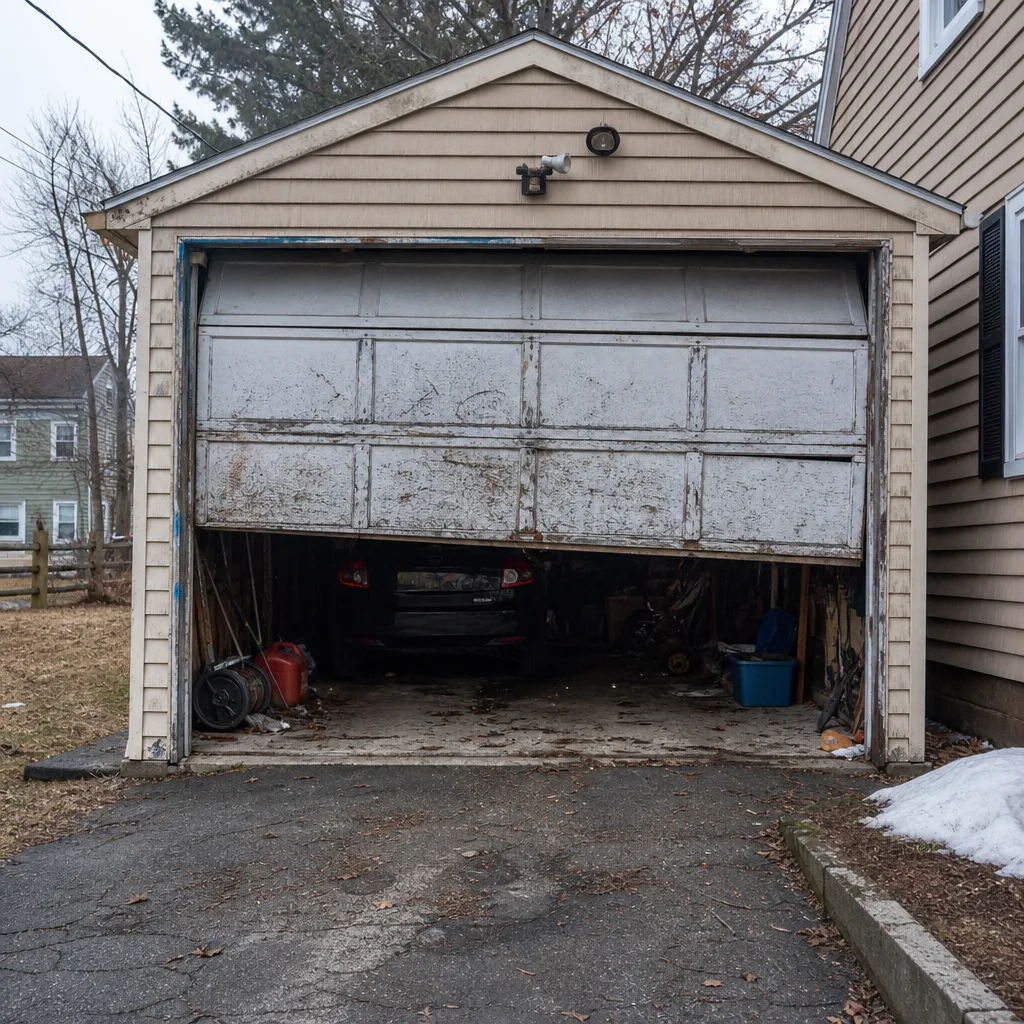 Before
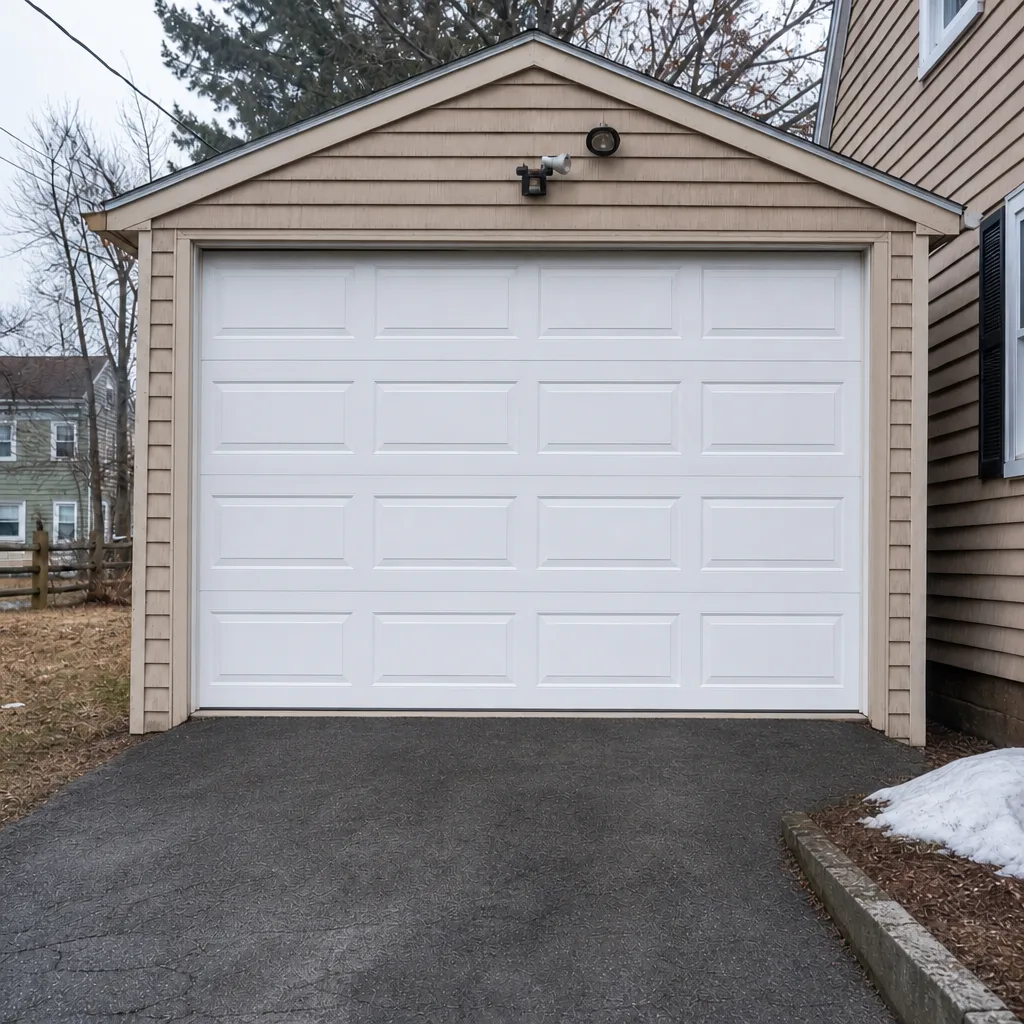 After
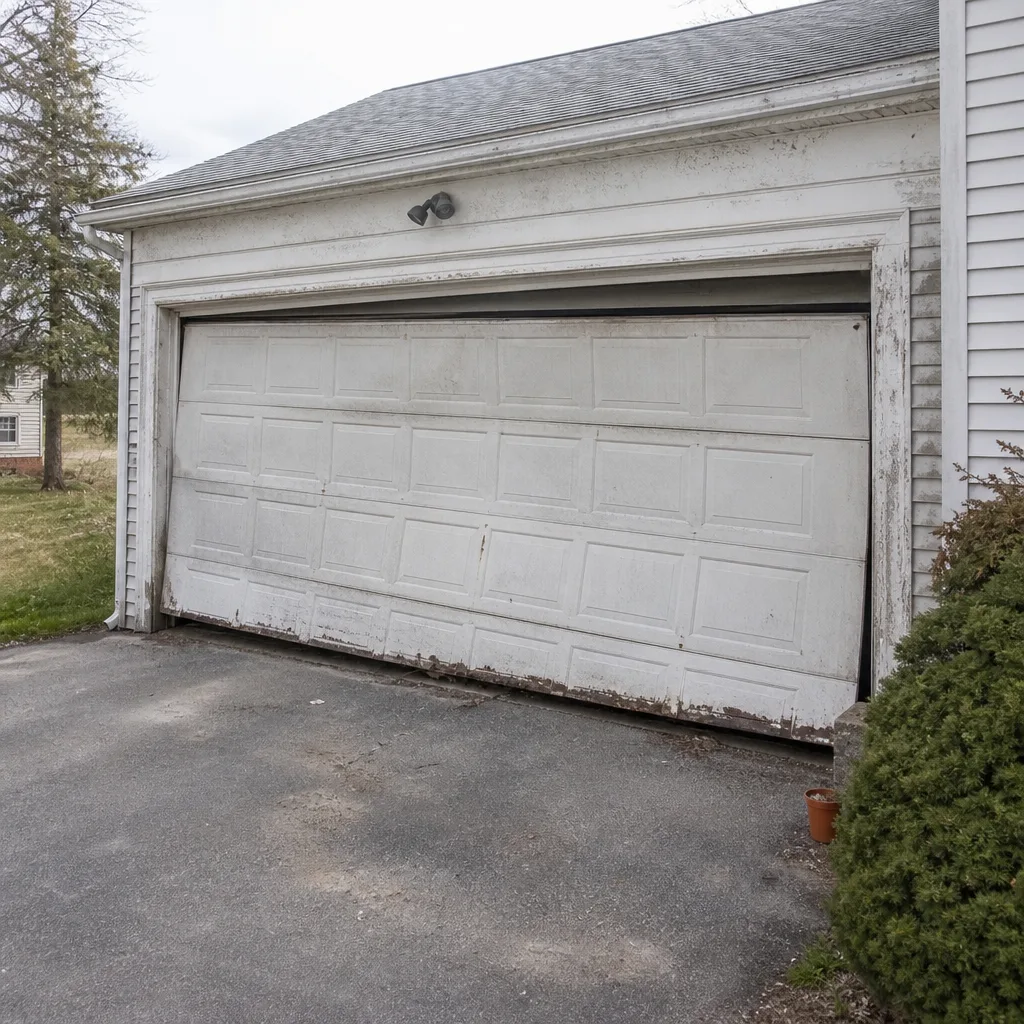 Before
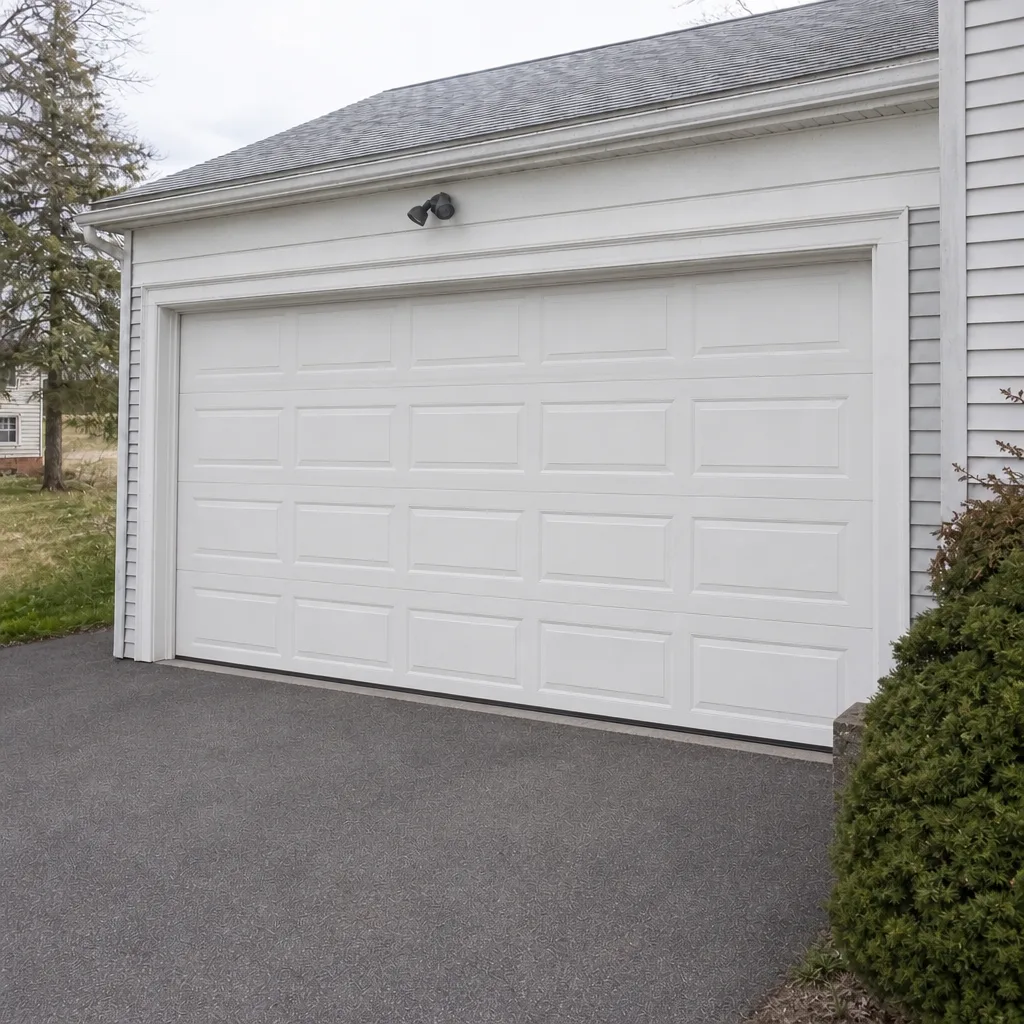 After
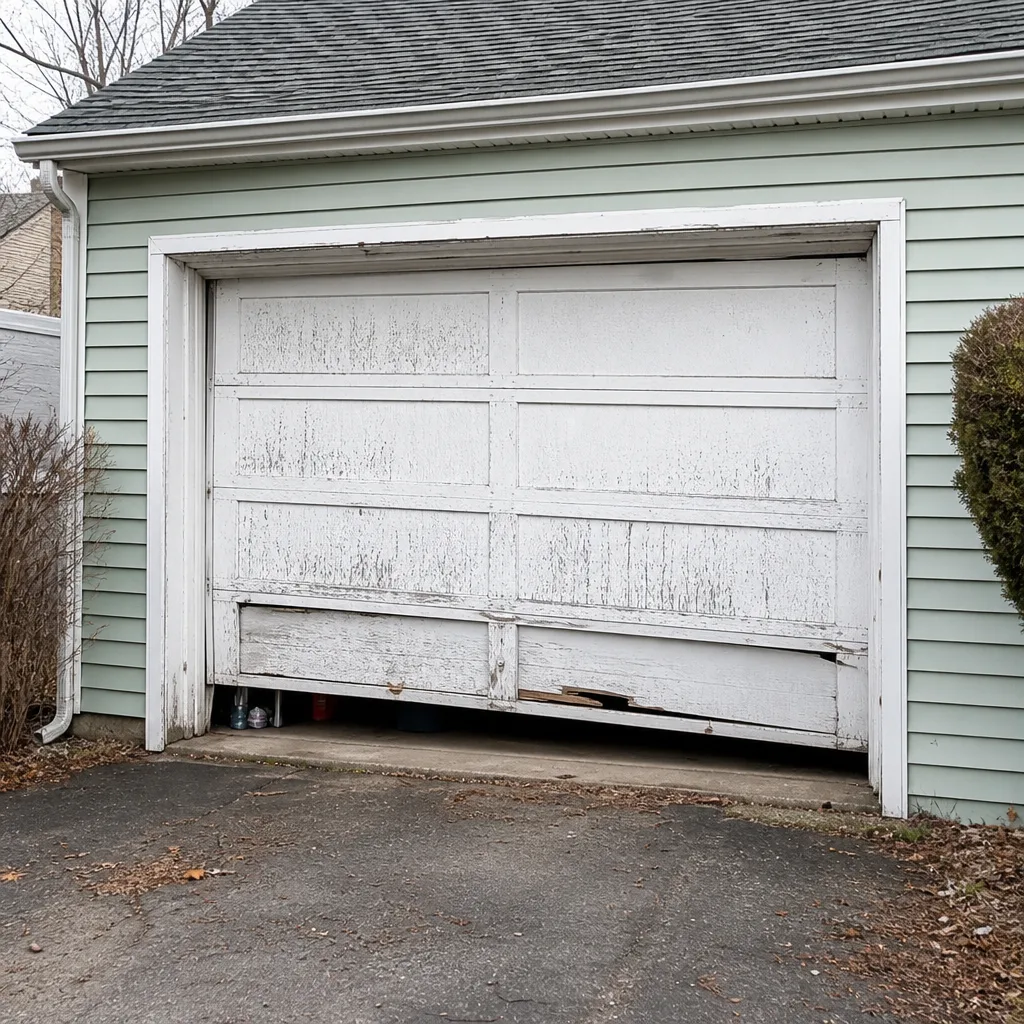 Before
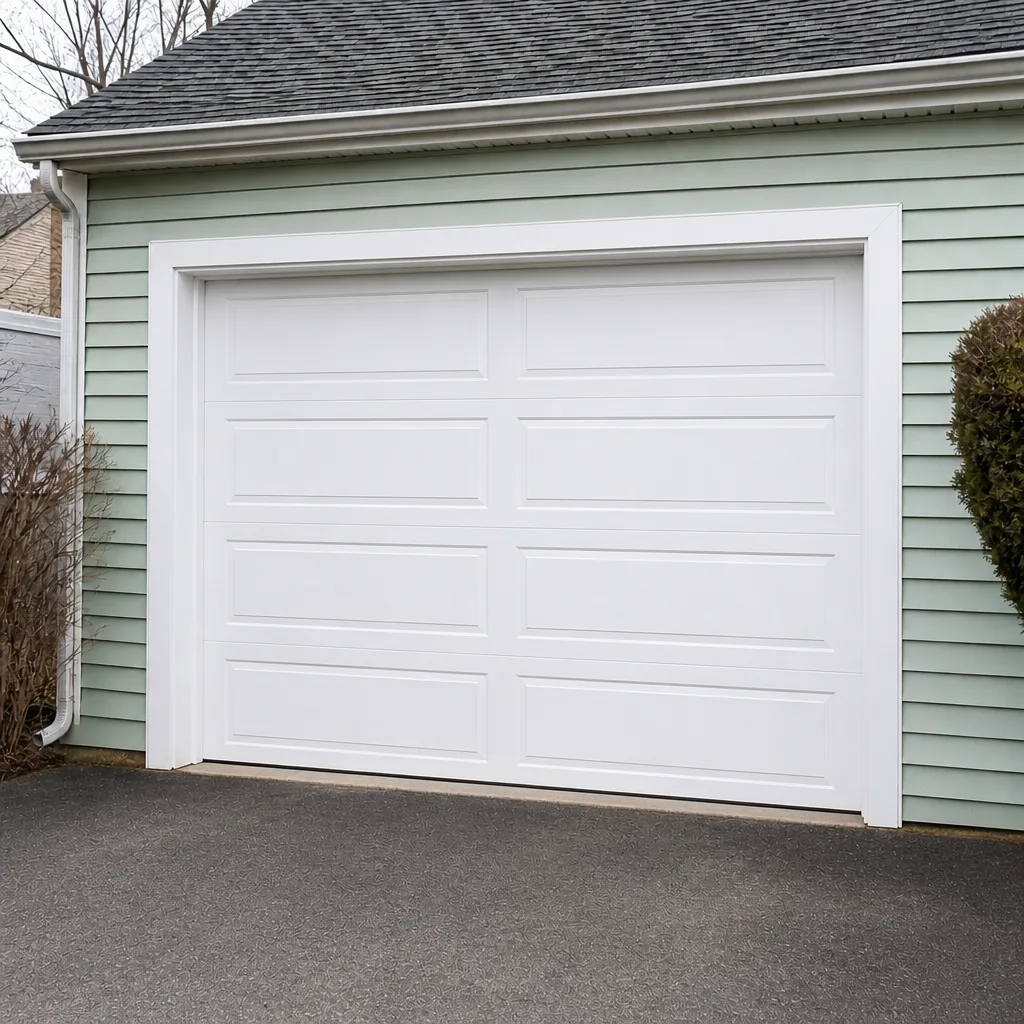 After
When to Call a Professional
Some garage door tasks are genuinely homeowner-safe: cleaning a photo-eye lens, checking a bottom seal, clearing snow from the threshold, running the door by hand to listen for new noises. Others aren’t, and the line between them is clear. Anything that touches spring tension, cable tension, the torsion bar, or the track adjustment inside the spring system should go to a trained technician. Spring and cable work happens under heavy mechanical tension, and the tools for it aren’t things a homeowner should improvise. The same goes for a door that suddenly feels heavier by hand, an opener that’s cutting out in heat, and any failure in the middle of winter when the door is stuck. Woburn Garage Door Repair Pros offers free estimates in Woburn – call (877) 792-5970 and we’ll help you figure out whether it’s a repair or a scheduled replacement, and quote the work before anything starts. Our technicians have up to 10 years of experience and work on all eight major brands, including Craftsman, Raynor, LiftMaster and Chamberlain, so the right part, right brand, right fix is a realistic outcome rather than a search.
Frequently Asked Questions
Late March through April is the single best time, because the spring thaw is when hidden damage from winter cycling becomes visible. A close second is October, before the freeze-up. If you can only schedule one service visit per year, book the spring check and do the fall inspection yourself.
Replacement of a single torsion spring typically runs in the range of $180 to $340 in the Woburn area, and because springs are almost always replaced as a matched pair, most homeowners see roughly double that range for a full pair. The exact price depends on the door’s weight and the spring spec, and we quote it in writing before any work starts. Call (877) 792-5970 for an exact quote – estimates are free.
Yes, we treat stuck doors as urgent, whether the door is stuck open or stuck closed. Stuck open is a security issue and stuck closed means you can’t get the car out, and both deserve a same-day call. Call (877) 792-5970 and we’ll get to you as soon as possible.
No, lubrication belongs in the fall, before temperatures drop below 20°F. Once it’s cold, the lubricant is too thick to flow into the joints and just sits on the surface. The fall pass is what carries the door through the winter, which is why the October-November sequencing matters.
Repeated freeze-thaw cycling in March and April expands and contracts the springs and cables daily for weeks, on top of their normal load, and the thaw also reveals damage winter was hiding – loose seals, chipped thresholds, misaligned tracks. The spring failures you hear about aren’t sudden; they’re the culmination of six weeks of cycling.
No, the written estimate we give you before work starts is the price you pay. We diagnose first, quote second, and don’t begin until you’ve agreed. If a job turns out to need more than we thought, we’ll explain that and re-quote rather than surprising you with a bigger invoice.
The Bottom Line
Woburn’s garage door wear is front-loaded into two six-week windows – the late fall freeze-up and the early spring thaw – and the rest of the year is mostly preparation and recovery. Get the fall sequence right by splitting October inspection from November confirmation. Take the thaw seriously as an inspection window, not just a comfort improvement. Treat the annual spring check as a calendar event, not a repair. And when something feels off, especially in winter, treat it as a signal rather than getting used to it. If you want the door inspected, a spring checked, or a repair quoted before the next transition, call Woburn Garage Door Repair Pros at (877) 792-5970 for a free estimate. We’ll tell you what we find and quote it before we touch a thing.
Written by the team at Woburn Garage Door Repair Pros.