Last updated November 23, 2026
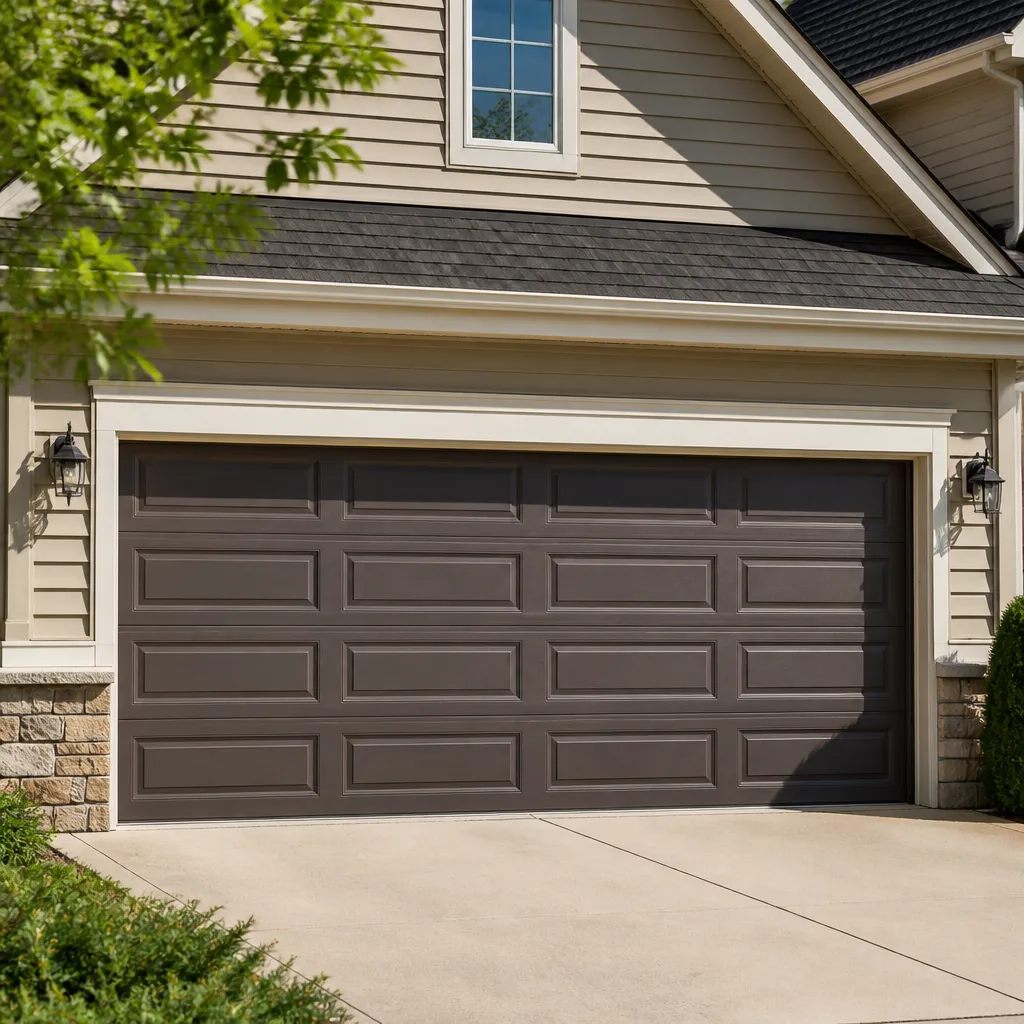 Raised-panel steel
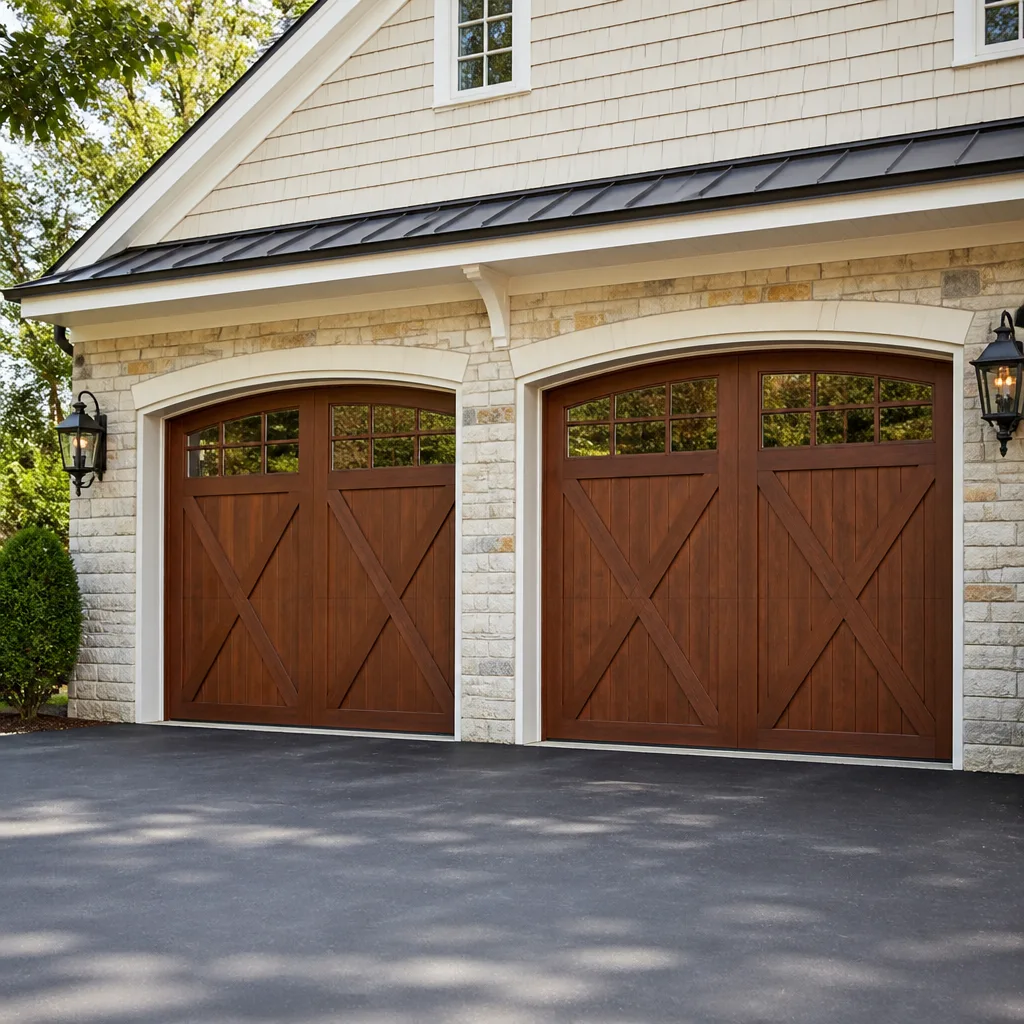 Carriage house
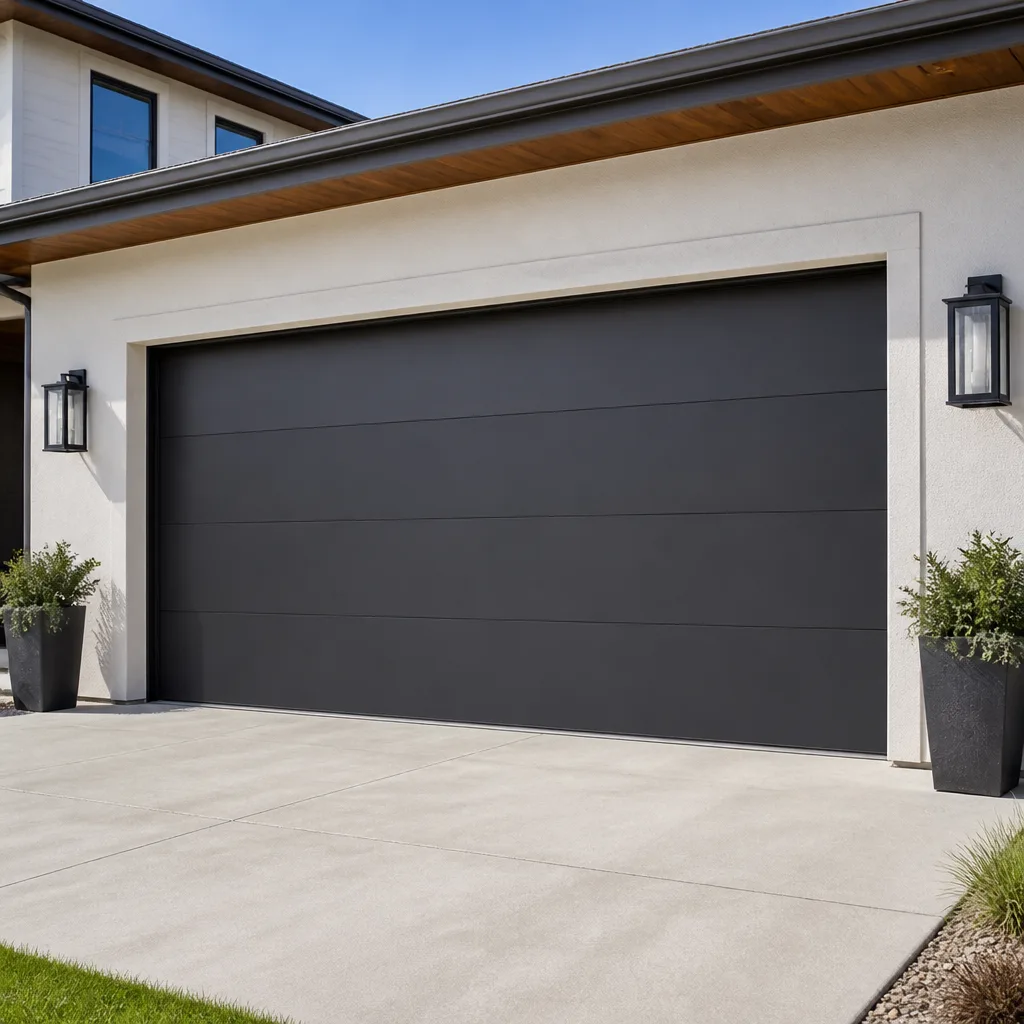 Modern flush
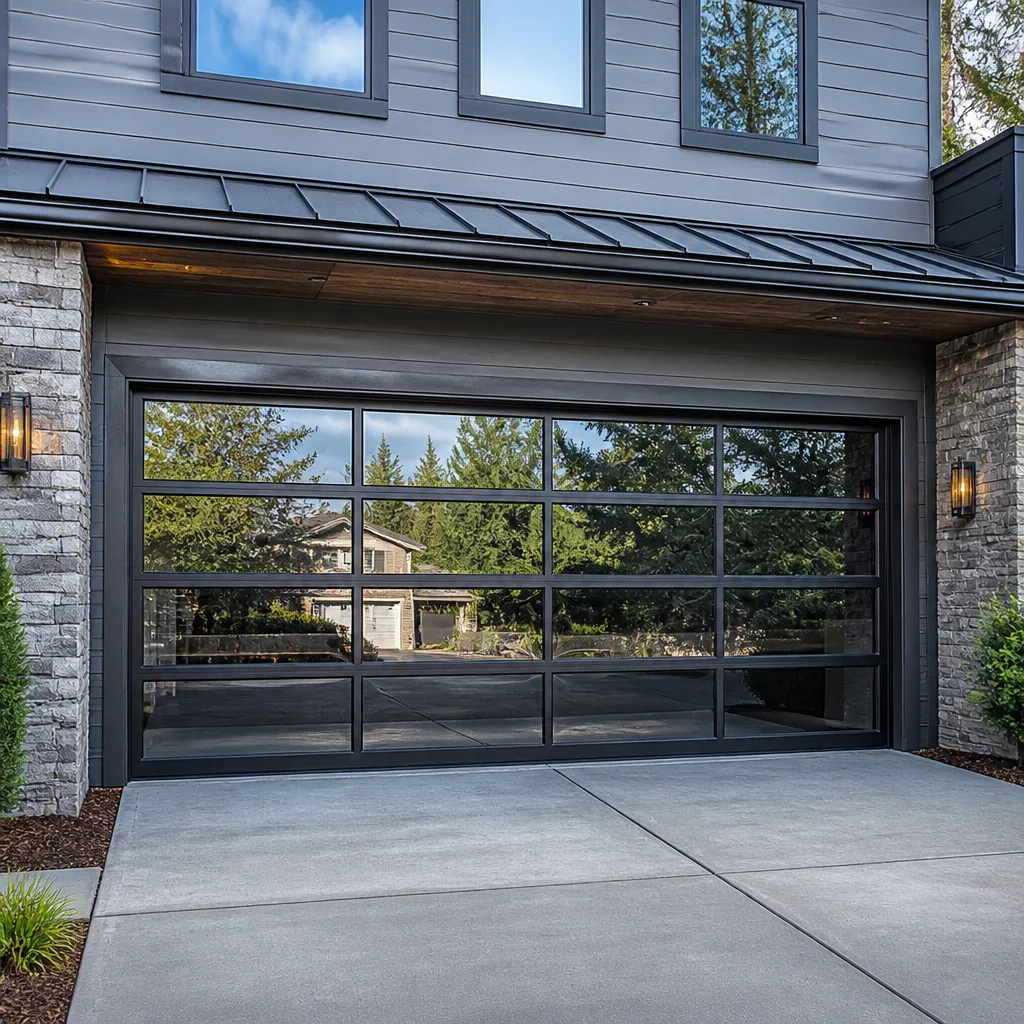 Full-view glass
 LiftMaster openers
 Chamberlain openers
Full 25-point door and opener safety check with every visit - springs, cables, rollers, tracks, and your LiftMaster or Chamberlain opener included
You get a price before we start. It does not change when the pro arrives.
Get your free estimateGarage Door Permits, Codes & Inspections in Woburn, MA: What You Need to Know
Here’s the thing most Woburn homeowners get right by accident: swapping one garage door for another usually doesn’t require a building permit. The exceptions are where it gets interesting. New motorized openers on a garage that was once something else, a replacement that breaks the fire-rated separation between an attached garage and the rooms above it, and certain new construction triggers all open the permit door. And when one of those situations goes unaddressed, it tends to surface as a line item on a home inspection report at the worst possible moment: right before a sale. This guide draws the actual line for Woburn, explains what the Massachusetts building and fire codes actually say, and covers what to do if a previous owner already got this wrong.
Quick Answer
In Woburn, Massachusetts, a straight like-for-like garage door replacement typically does not require a building permit, but a door replacement that changes the opening, adds or modifies a motorized opener, or touches the fire-rated wall and door between an attached garage and living space can require one under the Massachusetts State Building Code (780 CMR). If the job involves new electrical work for an opener, ask the city about a separate electrical permit. When in doubt, call the Woburn Building Department before you order a door, not after.
Styles & brands we work with
- Raised-panel steel
- Carriage house
- Modern flush
- Full-view glass
- LiftMaster openers
- Chamberlain openers
Table of Contents
- When Does a Garage Door Job Need a Permit in Woburn, MA?
- What “Like-for-Like Replacement” Actually Means
- The Fire Separation Rule: 780 CMR 309 and Your Attached Garage
- Openers, UL 325, and Massachusetts Electrical Permits
- What a Garage Door Inspection Covers and When You Need One
- Previous Work Was Done Without a Permit: What Now?
- Selling a Home in Woburn With Garage Door Issues
- Woburn’s Housing Stock and Why It Matters
When Does a Garage Door Job Need a Permit in Woburn, MA?
A permit is required when the garage door project crosses from pure replacement into construction. The Woburn Building Department reviews projects against the Massachusetts State Building Code, known as 780 CMR, and that code language is where the line sits. Replacing a door in the same opening, same size, same type, with no structural change, is generally treated as ordinary maintenance. Once you widen the opening, change the header, convert a carport, or alter how the door operates, you’re in permit territory.
Here are the situations we tell Woburn homeowners to call the city about before anything gets ordered:
- Enlarging or resizing the opening. Any change to the rough opening affects the structural header and framing.
- Converting a garage to living space. This changes the occupancy classification and triggers review under both building and fire codes.
- Adding a motorized opener to a garage that never had one. This usually means new wiring and a new circuit, which pulls in the electrical code as well.
- Replacing a fire-rated door between the attached garage and the house with one that isn’t rated for that purpose.
- New construction or an addition. A new attached garage is reviewed from the foundation up.
- Changing the door type in a way that affects the wall. A roll-up door swapped for a sectional door of different dimensions may mean framing changes.
What does not typically need a permit: a same-size sectional door replacement on a standard residential opening, a spring replacement, a cable and roller replacement, or an opener replacement in an existing wired location. Those are repair and maintenance. The confusion comes when a homeowner assumes all door work is permit-free, or assumes all of it needs a permit. Neither is true.
The safest move for any project in Woburn is a two-minute phone call to the Building Department. Ask them directly: “I’m replacing a 16-foot sectional door in an existing opening, same size, no structural change. Do I need a permit?” You’ll get a yes or no in plain language, and that answer is worth more than any online guide, including this one.
What “Like-for-Like Replacement” Actually Means
“Like-for-like” is the phrase that decides whether your project needs a permit, but it means more than most homeowners expect. It’s not just “same width and height.” Local interpretation generally looks at opening dimensions, door type, weight class, the condition of the existing framing and header, and whether the electrical service for the opener changes.
If you’re replacing a Craftsman door with a Raynor door of identical dimensions in the same opening, with the existing springs and hardware sized for the new door, that’s like-for-like. If you’re going from a single-car door to a double, or from a non-insulated door to an insulated one heavy enough to need different springs and hardware, the load on the framing changes even if the opening doesn’t. That’s the point where a permit conversation is worthwhile.
Here’s the step-by-step way to figure out where you stand:
- Measure the existing opening. Width and height, at the frame, floor to header.
- Note the door type. Sectional, tilt-up, roll-up, one-piece.
- Check the existing springs and hardware. If the replacement door is significantly heavier, the springs must be resized.
- Compare the new door spec to the old one. If dimensions and weight class match, you’re most likely in like-for-like territory.
- Call the Woburn Building Department with the spec in hand. Ask them to confirm permit status in writing if possible.
- Keep the paperwork. Store the permit (or the email confirming none is needed) with your home records. It matters at resale.
Whether a permit is required or not, “like-for-like” doesn’t excuse sloppy installation. The door has to be balanced, the springs matched, the safety features intact. That’s where garage door repair and installation work overlap, and where a real specialist earns their place over a general handyman.
The Fire Separation Rule: 780 CMR 309 and Your Attached Garage
This is the section homeowners miss most often, and it’s the one with real consequences. Under the Massachusetts State Building Code, and specifically the fire protection provisions in 780 CMR 309, an attached garage is required to have a fire separation between the garage and the living space. That separation includes the wall, the ceiling if there’s habitable space above, and the door leading from the garage into the house. The door between the attached garage and the house is typically required to be a fire-rated door, and it usually needs to be self-closing.
Now here’s where door replacement gets tricky. The garage door itself is a different door than the fire-rated door into the house, but Woburn homeowners sometimes conflate the two, or replace the fire-rated door with a hollow interior door because it was cheaper or looked nicer. That’s a fire code violation, and it’s the kind of thing that surfaces in a home inspection.
What to watch for if your attached garage has a door into the house:
- Check the label on the existing door. Fire-rated doors carry a label from a testing agency. If the label’s gone, look at the door’s construction.
- Look for a self-closing hinge or closer. The code expects the door to close on its own.
- Check the door’s rating. Confirm the rating against what your municipality’s building and fire departments require for this separation.
- Don’t swap it for a standard interior door. A painted hollow-door replacement might pass a casual glance but fails the fire separation requirement.
If you’re replacing or upgrading the door between the garage and the house, this is the one place where a garage door project intersects with fire code in a way that can genuinely matter. If the work touches the fire-rated assembly, keep it rated, keep it self-closing, and document it. It’s also worth mentioning to whoever inspects the house at resale, because a buyer’s inspector will notice.
If you’re not sure what your existing setup looks like, or you’re imagining a larger project that touches that wall, that’s a job for a licensed contractor working with the city. We handle the garage door itself, and we can tell you when a project needs someone else, whether it’s a framing contractor or the Building Department.
Openers, UL 325, and Massachusetts Electrical Permits
Adding a new motorized opener where there wasn’t one before is not just a garage door job. It’s a small electrical job, and in Massachusetts electrical work requires an electrical permit and a licensed electrician. If you’re installing a new LiftMaster or Chamberlain opener in an existing wired location, you’re replacing a fixture. If you’re running a new circuit to power it, or installing a new outlet in the ceiling of a garage that never had one, that’s an electrical permit through Woburn.
UL 325 is the safety standard that governs garage door operators. Every modern opener sold in the US is designed to that standard, which covers the safety reverse function, entrapment protection, and the external entrapment protection devices that have to accompany the opener. When an opener is properly installed, UL 325 safety features are intact and functioning: the photoelectric eye at the bottom of the door, the safety reverse, and on modern openers, the pressure sensitivity and the wall-mounted control that’s out of reach of small children.
Where this gets mucked up in the field is old openers and DIY installs. A homeowner who installs a replacement opener themselves might get the mechanics right but miss the safety reverse adjustment, or mount the photoelectric eyes too high, or bypass an obstruction sensor because it kept triggering falsely. Those are the setups that fail an inspection or cause an actual incident. It’s the reason we don’t recommend treating opener installation like hanging a shelf.
The permit picture for openers breaks down like this:
- Replacing an opener in an existing wired location: usually no permit, replaced like-for-like.
- Adding a new opener and running a new circuit: electrical permit, licensed electrician.
- Adding a second opener in an existing garage with an unused outlet in place: check with the city, usually straightforward.
- Installing a new opener on a converted garage that wasn’t a garage: talk to the Building Department first, because the underlying garage conversion may need to be reviewed.
For the electrical side, our sister page on garage door opener repair covers what an opener repair actually involves and where the electrical line is drawn. For anything that requires a new circuit, we’ll tell you to use a licensed electrician, and we’ll coordinate around their schedule.
What a Garage Door Inspection Covers and When You Need One
Garage door inspections aren’t a formal municipal process in Woburn. There’s no annual “garage door inspection” license, no department that comes out to look at your springs. When people ask about inspections, they usually mean one of three things: a home inspection during a sale, a code inspection triggered by permitted work, or a safety inspection of the door system itself. Let’s cover all three.
A home inspection during a sale is where most garage door issues get documented. The inspector will typically operate the door, watch the safety reverse, look at the springs, cables, and hardware, check the photoelectric eyes, and note any obvious problems. If a fire-rated door between garage and house has been swapped for an unrated door, the inspector will likely flag it. If the opener was installed without a permit and without an electrician, the inspector may note it. Those notes go to the buyer, and the buyer asks for a fix or a credit.
A code inspection triggered by permitted work is a different animal. If you pulled a permit, the Woburn inspector comes out at one or more stages of the work. What they look at depends on what the permit covers: structural inspection of the header and framing, electrical inspection of the new circuit, final inspection of the whole assembly. Have the permit, the plans, and the door spec sheet on hand, and don’t install the door before the framing inspection is signed off.
A safety inspection of the door system is something you’d ask a specialist to do when the door starts acting unusual: slow spots, uneven movement, a grinding noise on one side, or a door that reverses only sometimes. It’s the closest thing to a real “garage door inspection,” and it’s usually completed in a single visit. Our technicians have up to 10 years of experience with these systems, and the safety-critical ones, like torsion springs and cables, are where that experience matters most.
Previous Work Was Done Without a Permit: What Now?
Maybe you bought the house a few years ago and found out later that the previous owner’s garage conversion was never permitted. Maybe you had work done and now can’t find the permit record. Or maybe you’re about to list and you’re worried that the door between the garage and the house isn’t rated, or the opener install doesn’t have a paper trail. Whatever the situation, the practical path forward is manageable.
The first step is finding out whether a permit was pulled. Woburn keeps permit records at the Building Department, and you can request them. Start there. Then work through this sequence:
- Request the permit history for your address from the Woburn Building Department. Ask specifically about garage, electrical, and any alterations to the garage structure.
- Compare what’s on file to what’s actually installed. A permit on file for a replaced door doesn’t cover a new opener added five years later.
- Identify the gap. Is the missing permit for the door, for the opener electrical, for a structural change, or for a conversion?
- Ask the Building Department how they’d like to handle it. Often the answer is a permit application now, sometimes with a penalty fee. Sometimes they want to come look at what’s there.
- Get a licensed contractor for the work that needs to happen. A structural change or electrical work has to be done by someone licensed for it, not corrected on the fly.
- Document the resolution and keep it with the home records. When you sell, the email trail matters.
Doing this before you list the house is far less painful than doing it after a buyer’s inspector catches it. A missing permit for a door that was otherwise installed correctly is usually a paperwork problem. A missing permit covering a structural change that wasn’t done right is a different level of problem. Either way, you want to know before the buyer does.
If you’re trying to sort out whether an existing garage door setup meets current requirements, or the door isn’t operating correctly after a prior install, give us a call. The garage door itself is what we work on, and we can tell you when a problem is beyond door work.
Selling a Home in Woburn With Garage Door Issues
Garage door problems are one of the more common surprises on a home inspection report, partly because they’re the kind of thing people live with for years without realizing it’s wrong. A door that reverses only sometimes, an opener that was installed without an electrical permit, a fire-rated door swapped for a non-rated one: these don’t usually cause a crisis during daily life, which is exactly why they go unnoticed until a sale.
If you’re planning to list, work through the following before the inspector does:
- Test the safety reverse by placing a small board under the closing door and confirming it reverses on contact.
- Check the photoelectric eyes at the floor, one on each side, aligned, unobstructed, and wired correctly.
- Look at the door between the garage and the house. Confirm it’s fire-rated and self-closing, and keep the label visible.
- Find your permit paperwork for any garage door or opener work done while you’ve owned the home.
- Get the door serviced if it’s noisy, slow, or uneven. A balance and lubrication service before listing saves negotiation on the other end.
If the inspector or the buyer raises an issue, the right answer is documentation. A record of a permit, a clean servicing receipt, or a written statement from a licensed contractor that the door is installed to spec all resolve most concerns. What doesn’t resolve concerns is telling the buyer “it’s been like that for years.”
Woburn’s Housing Stock and Why It Matters
Woburn is a city with a wide range of housing ages and styles, and that matters for how garage door code applies. Older homes with attached garages built before current energy and fire provisions were in force often have thinner fire separation than a newer build. A garage built as a garage is one thing; a garage retrofitted from a carriage house, a barn, or a conversion is another. We see all of it in the neighborhoods across Woburn, and the differences change the permit question.
Older attached garages sometimes have a door into the house that’s not fire-rated, because the code requirement at the time of the original build was different or wasn’t applied. Upgrading that door, or replacing an original door with a rated one, is one of the more sensible improvements a homeowner can make, and it’s usually a modest project. Older garages also frequently have no opener, or an original opener from a prior decade that’s been repaired beyond what’s reasonable.
Climate matters here too, in a way that’s easy to underestimate. Woburn sits inland, which means full New England winters with hard freezes and snow loads on the roof, and that puts real wear on the door, the springs, and the weatherstripping at the bottom. A garage door that’s been through several winters without servicing runs more risk of spring failure, and a failed torsion spring is a safety issue, not just an inconvenience. Whether you’re replacing a door or repairing one, the season you’re in affects the parts that most need attention.
Common Mistakes to Avoid
- Assuming all garage door replacements need a permit. Most don’t. The exceptions are specific, and getting the answer from the Woburn Building Department takes a phone call, not a contractor’s guess.
- Assuming no garage door work ever needs a permit. Structural changes, new opener circuits, and fire separation issues all change the answer.
- Replacing the door between the garage and the house with a non-rated door. This one gets flagged at inspection and is an easy item to correct if you know to look for it.
- Installing a new opener without an electrician. A new circuit is a licensed electrical job. Skipping the permit doesn’t skip the code requirement.
- Ignoring the safety reverse because “it worked fine last year.” Safety reverse and photoelectric eyes fail silently, and the failure mode is dangerous, especially with kids or pets around.
- Buying a heavier replacement door without resizing the springs. If the new door is heavier than the old one, the springs have to match. Otherwise you get an opener working harder than it should, or a door that won’t stay up.
- Selling without checking permit records. A five-minute call to the Building Department before listing is easier than negotiating over a permit issue after the inspection report goes out.
One mistake we see most often that isn’t on the list because it belongs at the top: homeowners trying to adjust or replace their own torsion springs. That’s the high-tension mechanical component under the most load in the entire system. It’s not a DIY job, and the injuries that come from it are serious. If your spring is broken, call a specialist. Learn more about what that involves on our garage door spring repair page.
See the difference
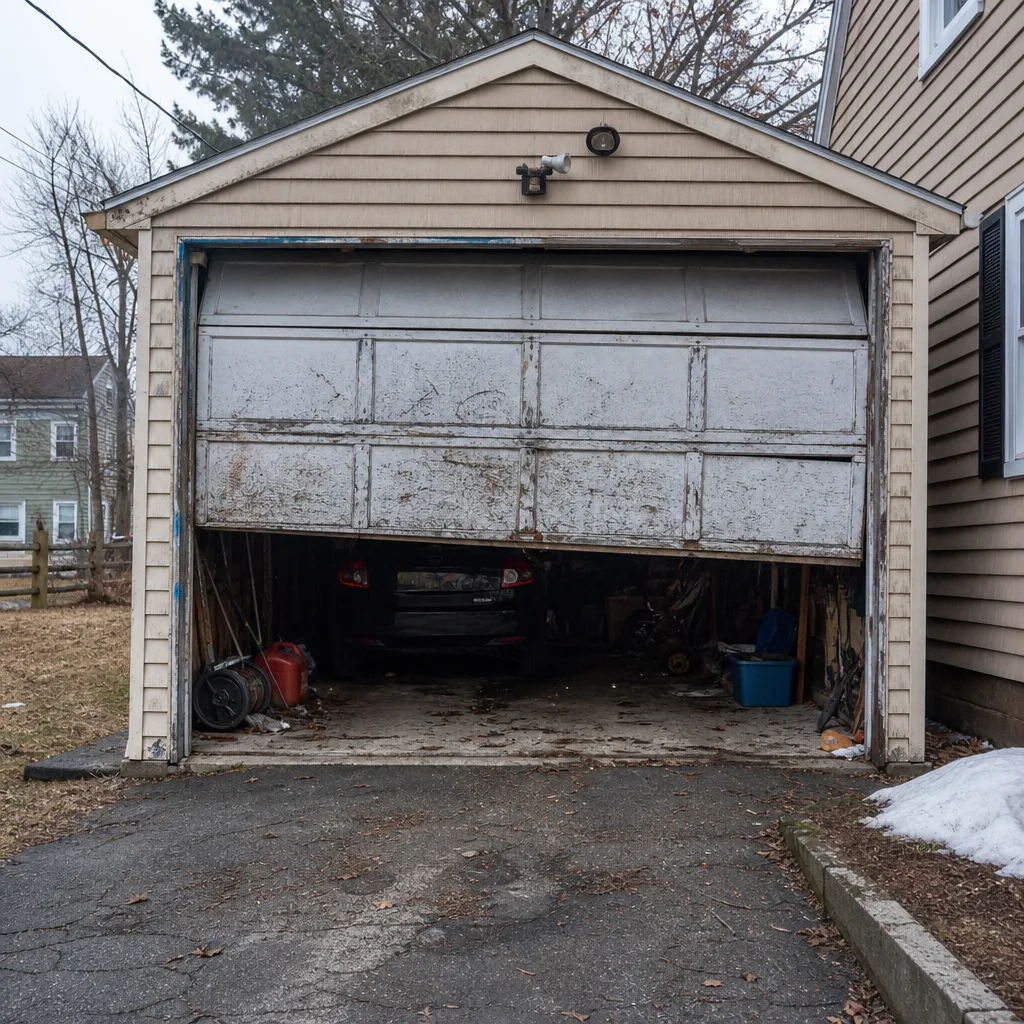 Before
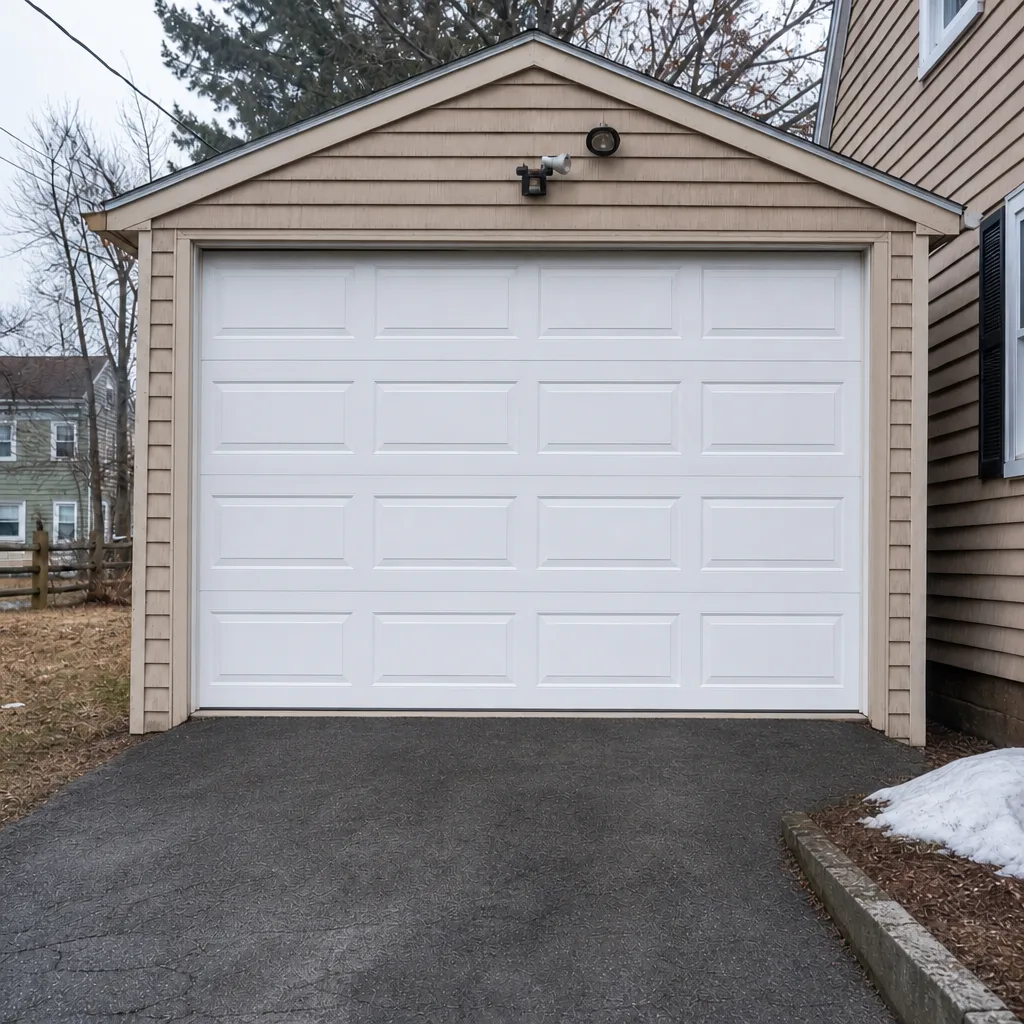 After
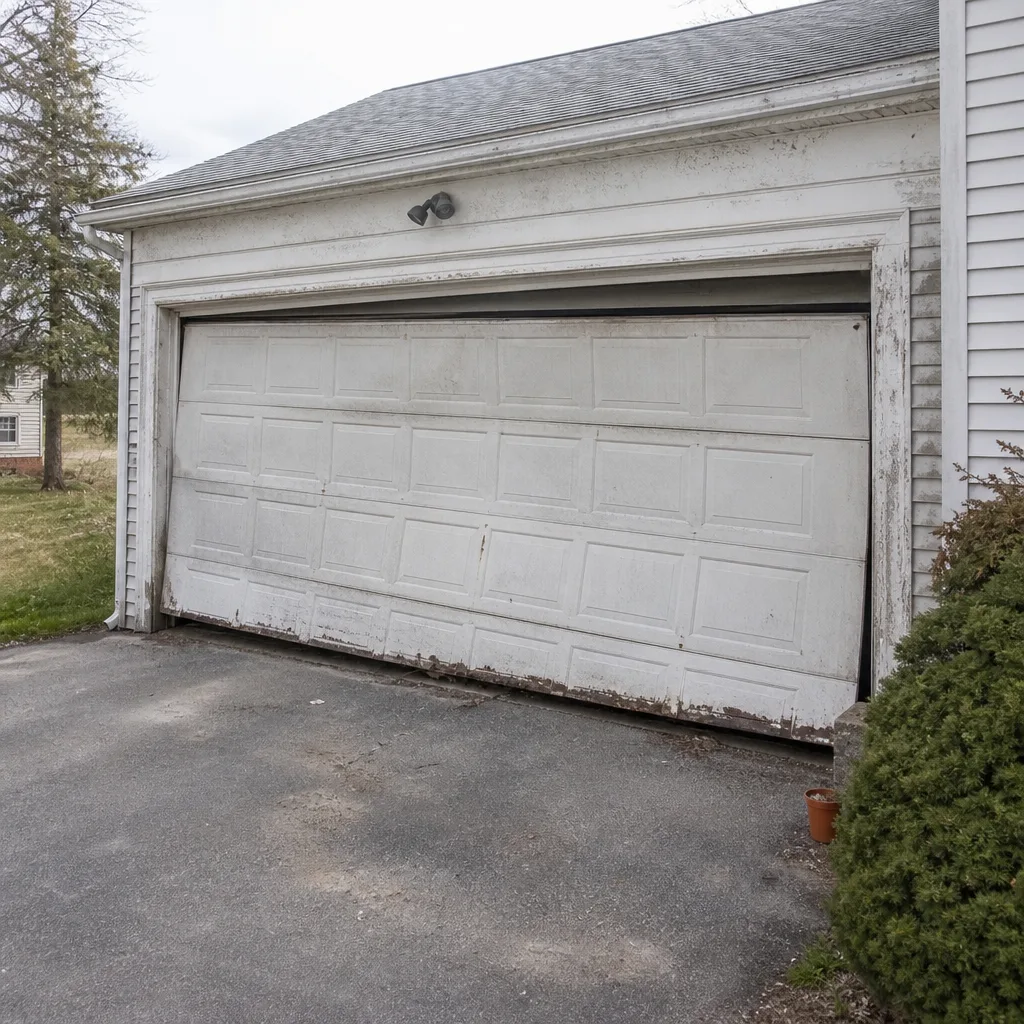 Before
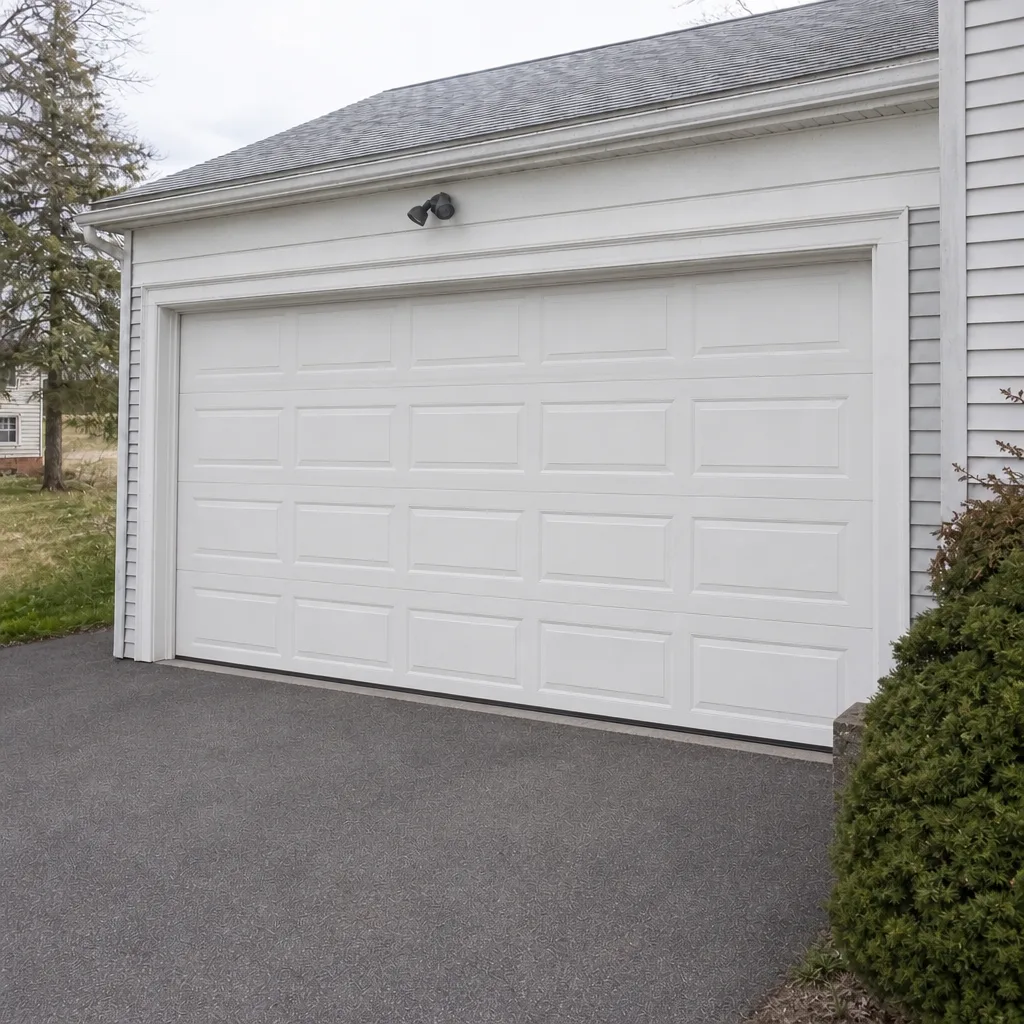 After
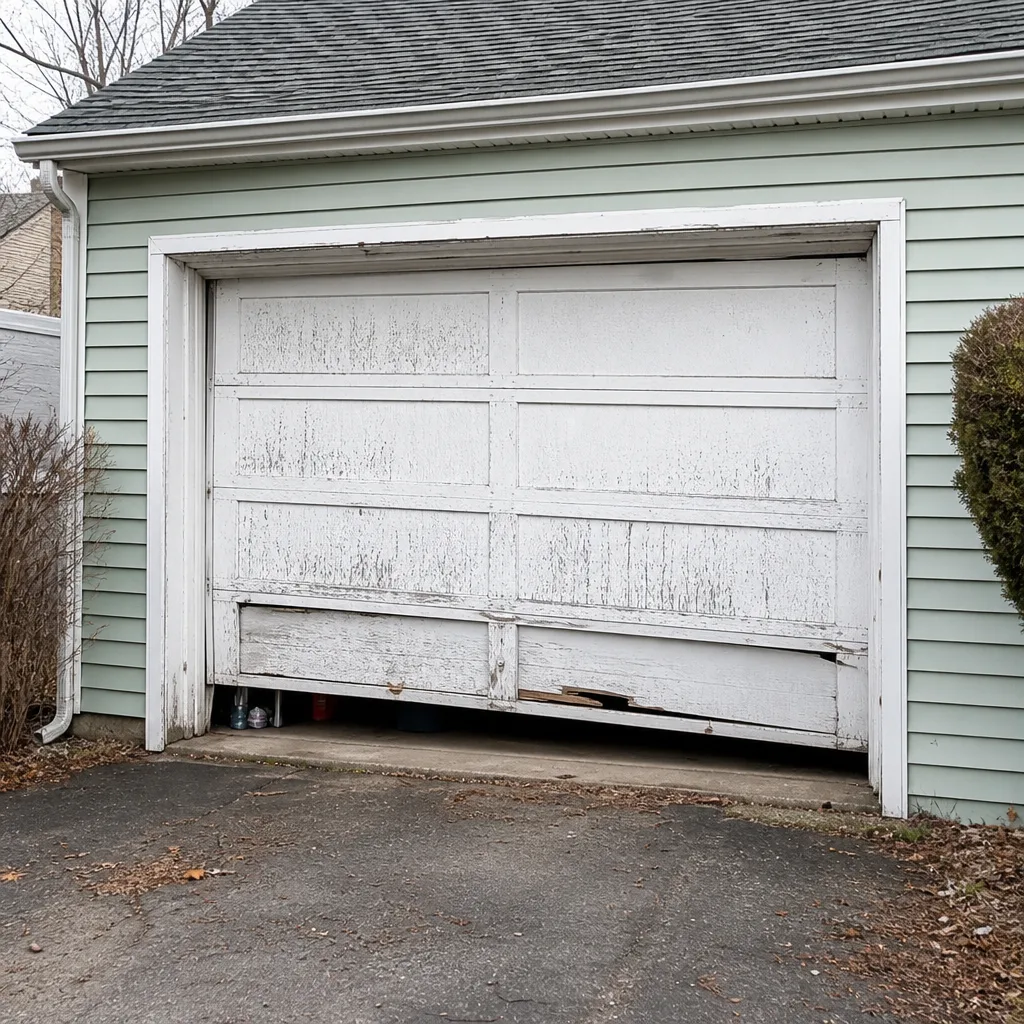 Before
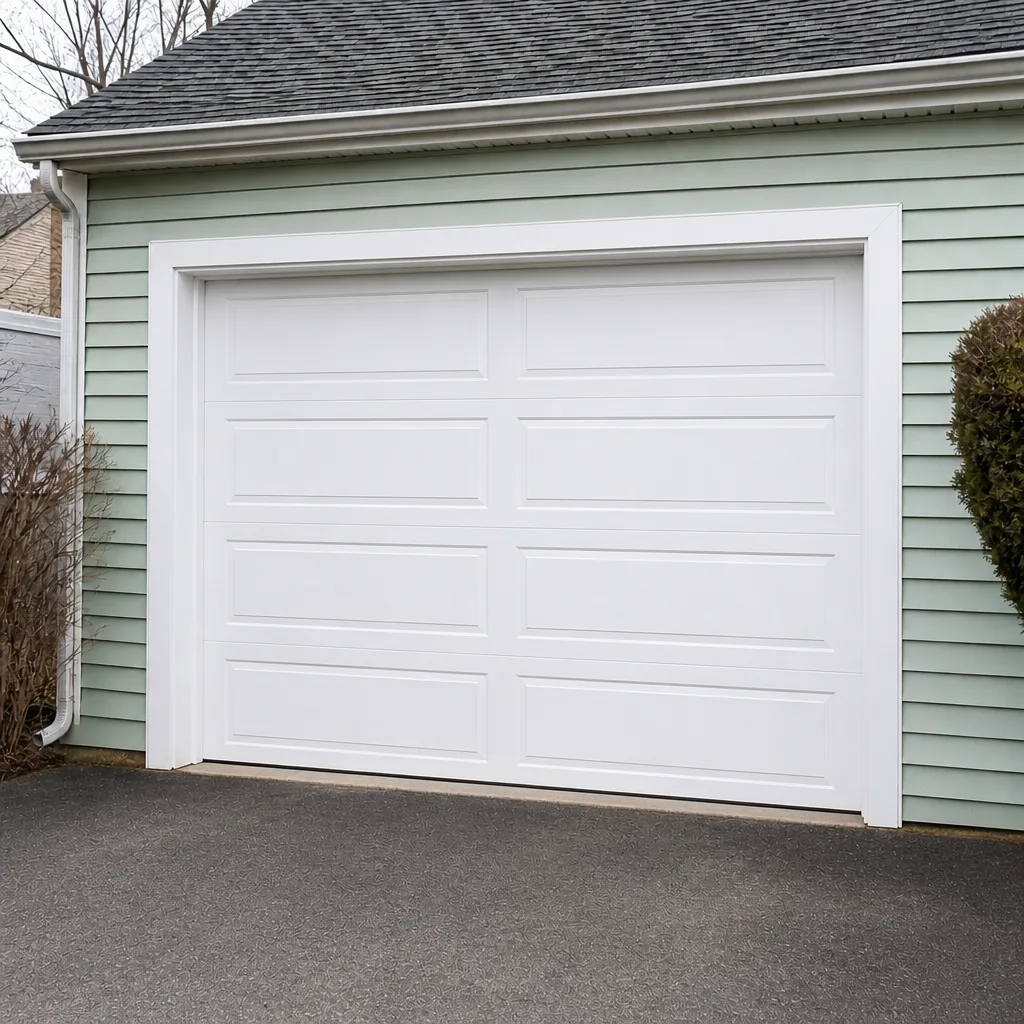 After
When to Call a Professional
Call us when the door won’t open or close, when you hear a sharp bang from the garage and find the door hanging or unresponsive, when the opener runs but the door doesn’t move, when the safety reverse stops working, or when a spring looks visibly broken. Call when the door is off its track. Call when you’re not sure whether the issue is the door, the opener, or the electricity, because we’ll help you sort that out. Call when the door between the garage and the house needs to be reviewed. Call when you’re listing and want a clean inspection. Call when your opener is a Craftsman you bought ten years ago that still works and doesn’t need to be replaced, and you want to know whether it’s worth keeping. Woburn Garage Door Repair Pros offers free estimates in Woburn, and the price is quoted and agreed before any work starts. Call (877) 792-5970.
Frequently Asked Questions
Most simple like-for-like garage door replacements in Woburn do not need a building permit. If the opening size changes, if the door change affects the framing or the structural header, or if the work touches the fire-rated assembly between an attached garage and the house, a permit or a review may be required. The fastest way to know is to call the Woburn Building Department with your door’s dimensions and the door type. Call (877) 792-5970 for a free estimate on the door work itself, whatever the permit question turns out to be.
If the opener requires new wiring or a new circuit, yes. Electrical work in Massachusetts requires an electrical permit and a licensed electrician. Replacing an opener in an existing wired location is typically handled as a fixture replacement without a new electrical permit. If you’re adding a motorized opener to a garage that never had one, plan on an electrician in addition to the door work. Call (877) 792-5970 for the opener side and we’ll tell you where the electrical piece begins.
It’s the pedestrian door leading from the garage into the living space, and under the Massachusetts State Building Code’s fire protection provisions in 780 CMR 309, an attached garage requires a fire separation that includes that door. The door is typically required to carry a fire rating and to be self-closing. If a prior owner replaced it with a standard interior door, that’s a code issue worth correcting. Call (877) 792-5970 if you’re not sure what your current setup involves.
You can find out by requesting the permit history for your address from the Woburn Building Department and comparing it to what’s actually installed. If there’s a gap, call the department and ask how they’d like it handled. Often the answer is a permit application now, sometimes with a penalty fee. It’s easier to resolve this on your own timetable than after a buyer’s inspector raises it. Call (877) 792-5970 if the door itself has issues from a prior install.
Usually, yes. Home inspectors test the safety reverse, check the photoelectric eyes, look at the springs, cables, and hardware, and note a fire-rated door that’s been swapped for a non-rated one. They also look at how the opener is installed. Any of these can turn into a negotiation point during a sale. A servicing visit before listing is a practical way to stay ahead of it. Call (877) 792-5970 to schedule a service visit before your inspection.
Spring repair in Woburn is typically in the range of a few hundred dollars per spring, and a matched pair replaced together runs about twice that. The exact price depends on the door, the spring type (torsion or extension), and the number of springs. We quote and agree the price before any work starts, and the written estimate is the price. Call (877) 792-5970 for a free estimate. Spring failure is a safety issue, not just an inconvenience, so don’t put it off.
The Bottom Line
Most garage door replacements in Woburn don’t need a permit. The exceptions matter: structural changes, new electrical for openers, and the fire-rated separation between an attached garage and the house. If a prior owner’s work was done without a permit, finding out before you sell is far less painful than finding out after an inspection. The line is drawn by calling the Woburn Building Department with your door’s specifics, not by guessing. And for the door work itself, whether it’s a replacement, an opener repair, a spring repair, or an installation, we’re set up to handle the whole job. Call (877) 792-5970 for a free estimate.
We work on Craftsman, LiftMaster, Chamberlain, Raynor, Genie, Clopay, Amarr, and Wayne Dalton systems, whether you need a repair, an opener fix, or a full door replacement. Same-day and urgent response available when the door is stuck open or stuck closed. Learn more about our full range on Woburn Garage Door Repair Pros.
Written by the team at Woburn Garage Door Repair Pros.