Last updated November 23, 2026
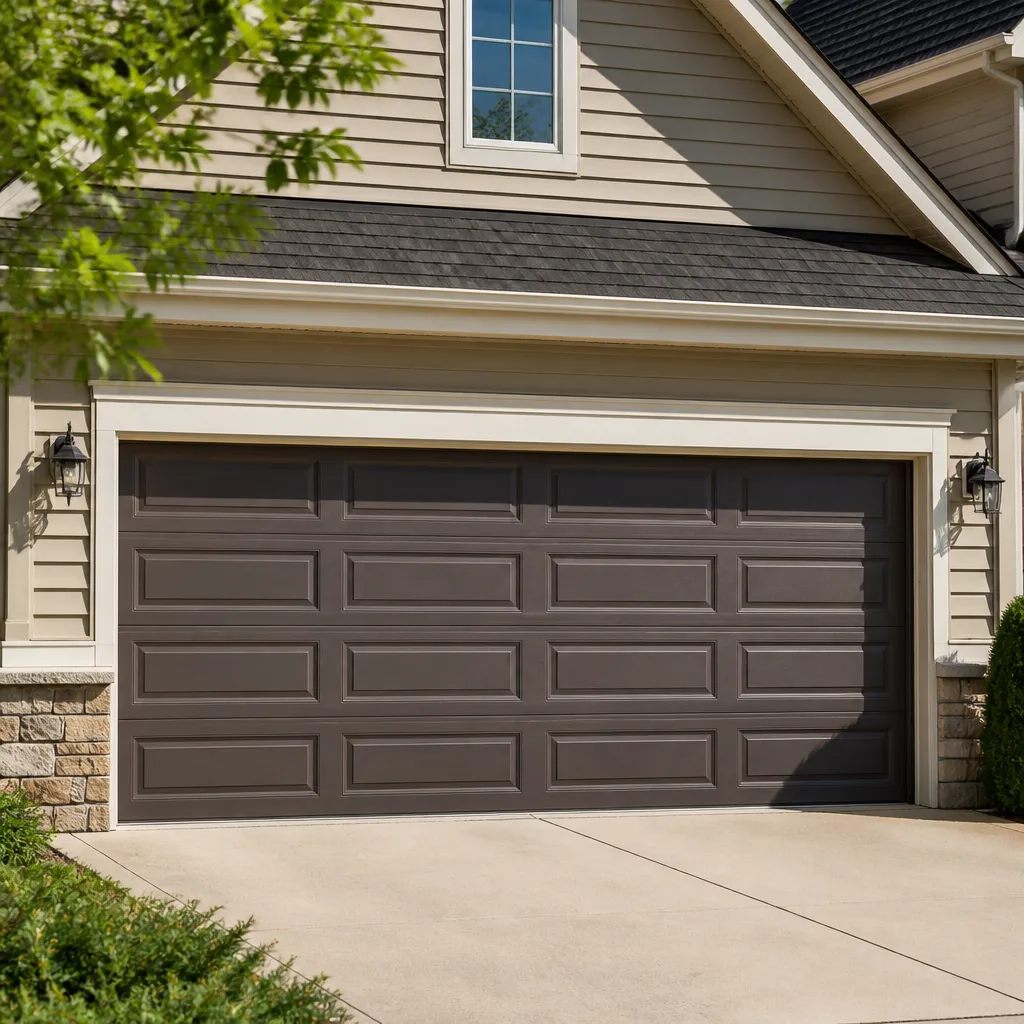 Raised-panel steel
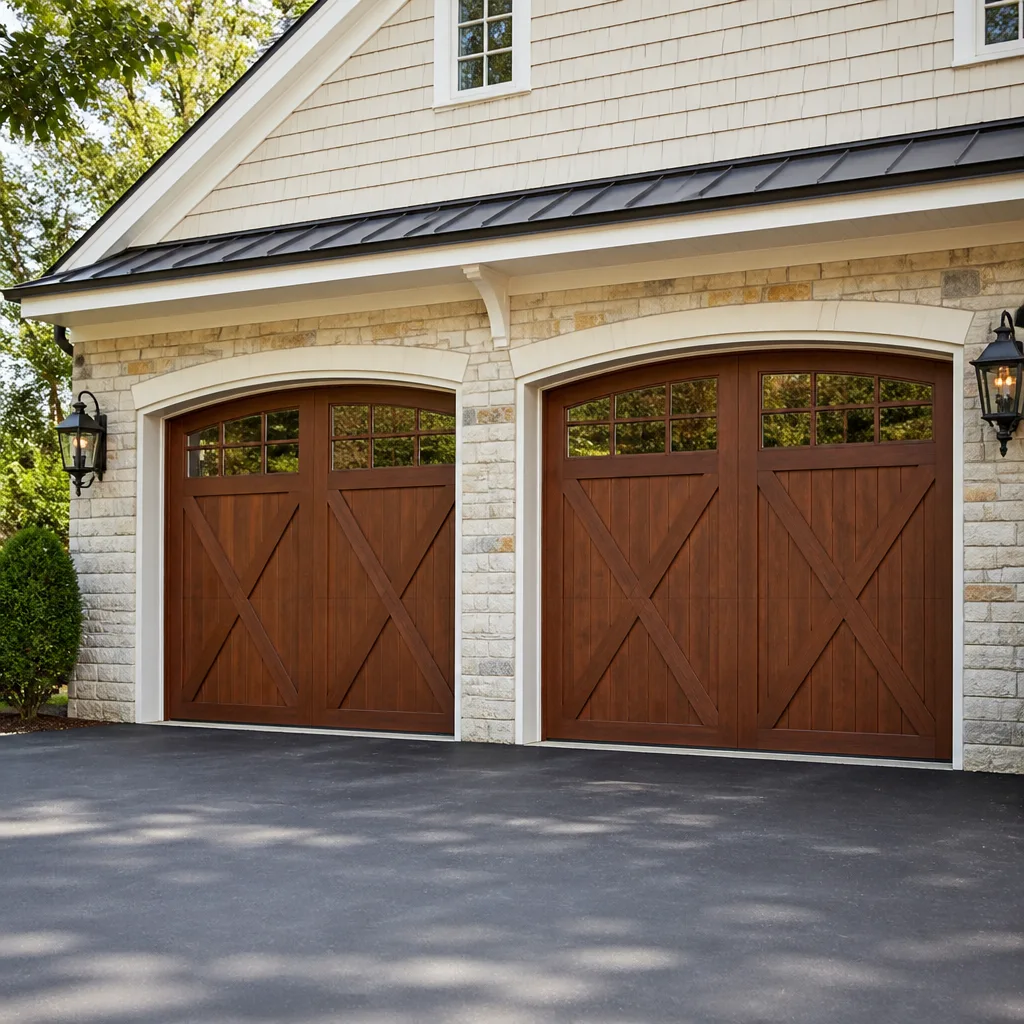 Carriage house
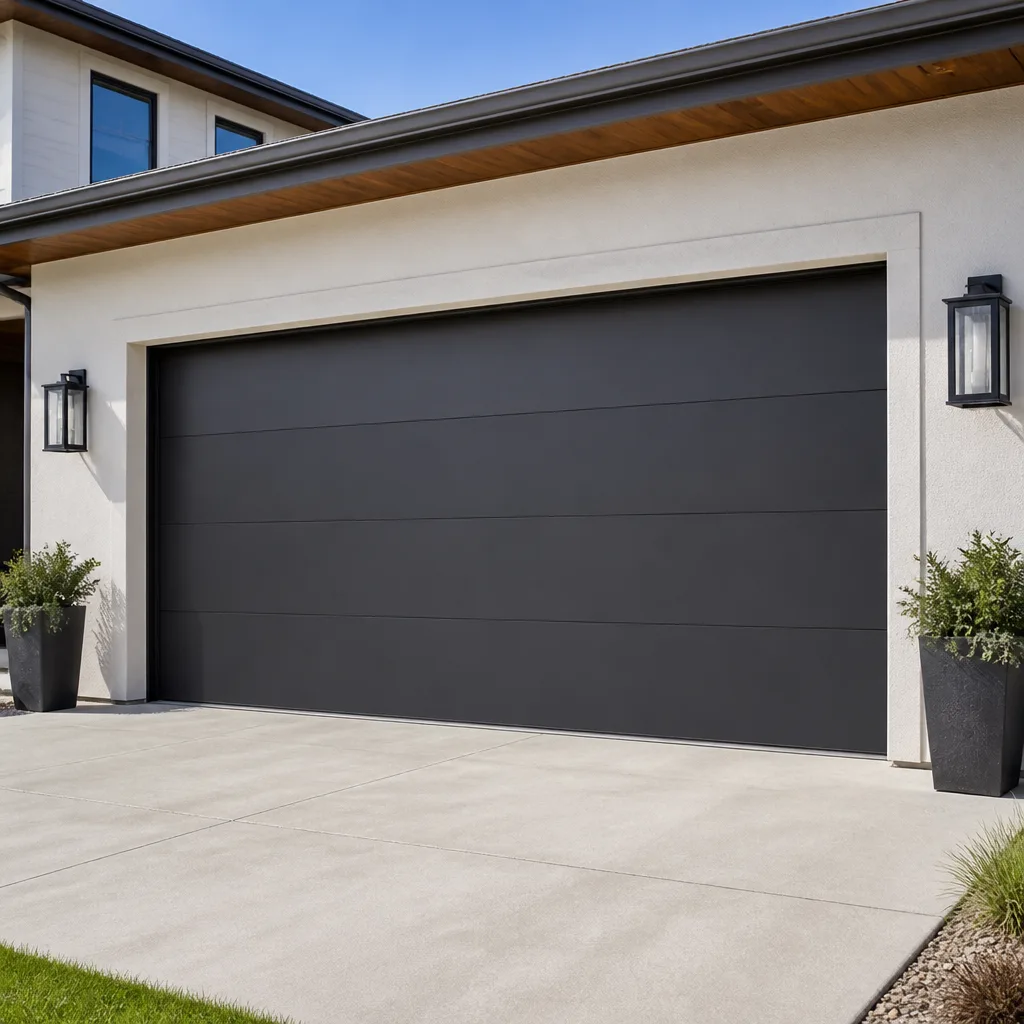 Modern flush
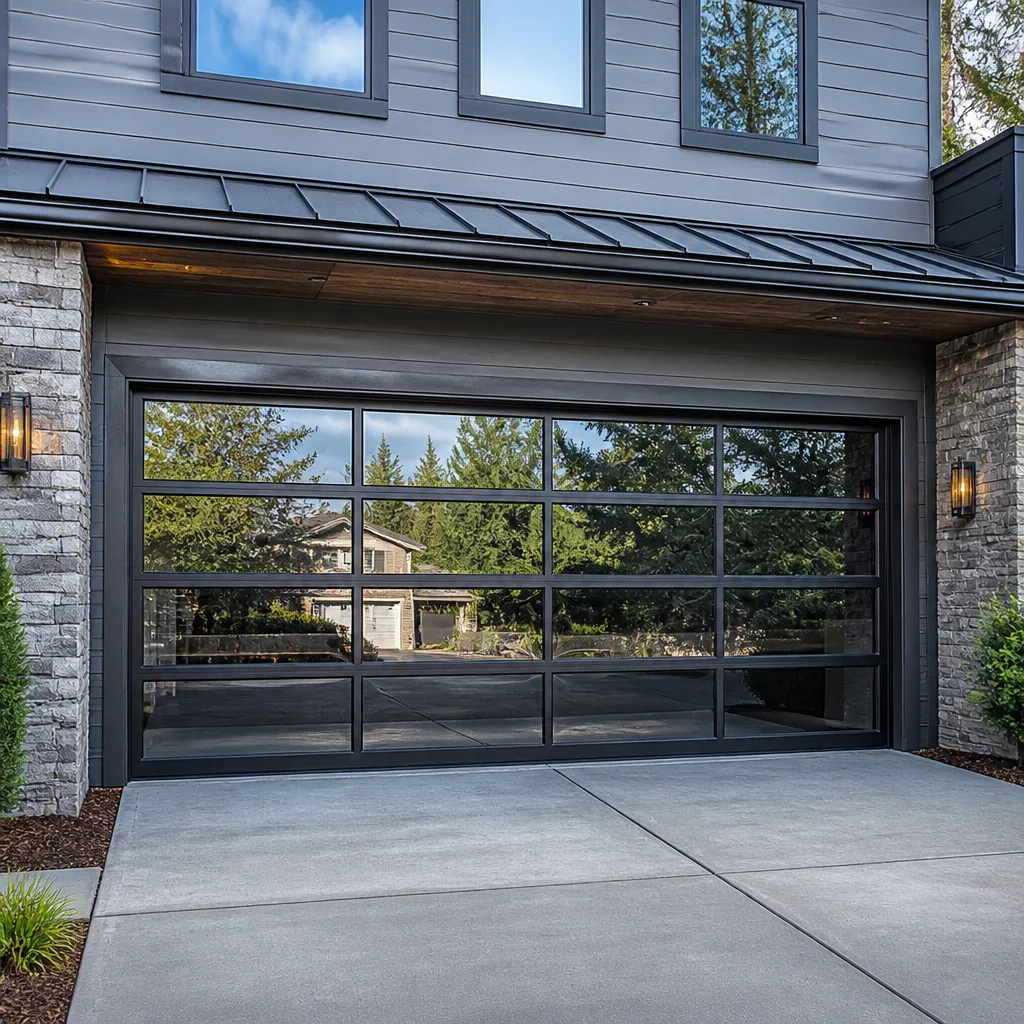 Full-view glass
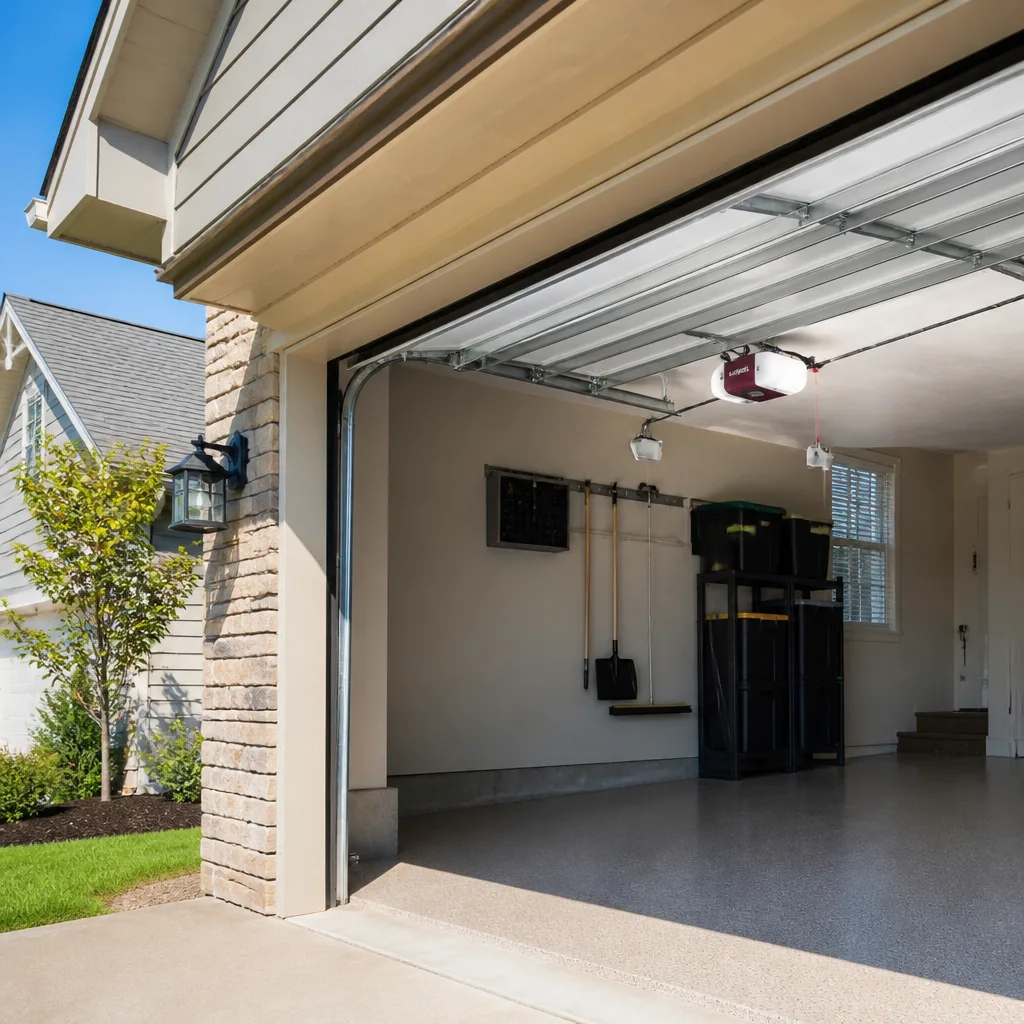 LiftMaster openers
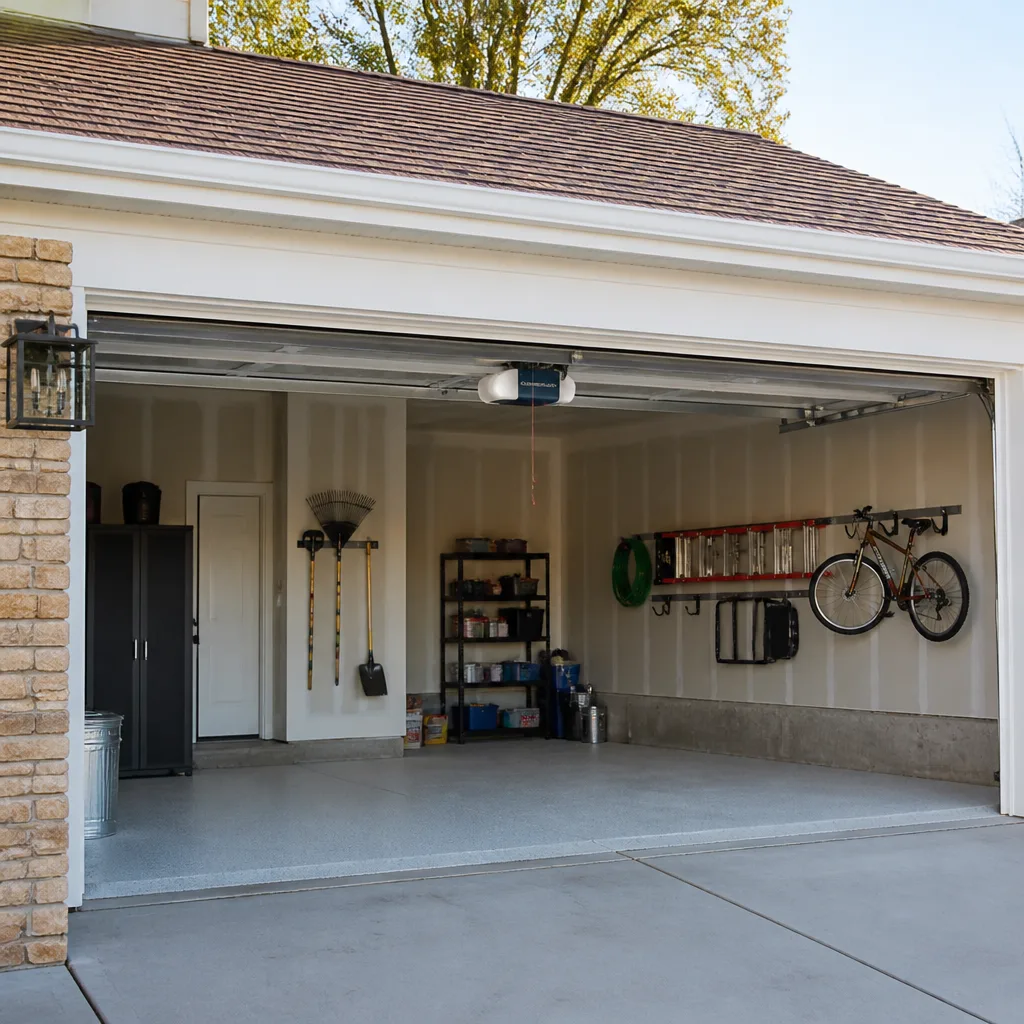 Chamberlain openers
Full 25-point door and opener safety check with every visit - springs, cables, rollers, tracks, and your LiftMaster or Chamberlain opener included
You get a price before we start. It does not change when the pro arrives.
Get your free estimateGarage Door Repair Maintenance Checklist for Woburn Homeowners
If your maintenance checklist doesn’t mention lithium-based grease specifically (not WD-40, not standard oil), it was probably written by someone who hasn’t touched a garage door in winter. Most checklists floating around online are organized alphabetically by component: springs, then tracks, then rollers. That order tells you nothing about when things actually break. A Woburn garage door faces a specific cycle of stress across the year, and the failures follow that cycle closely. Floors heave in spring thaw, openers cook in July heat, seals crack in fall, and rollers turn brittle after the first hard freeze. This guide organizes maintenance around failure timing, not parts, so you can check the right thing at the right moment.
Quick Answer
A useful garage door maintenance checklist for Woburn homes is organized around the Massachusetts seasonal cycle: inspect cables and balance in spring when frost heaves floors, watch opener temperature and lubrication in summer heat, check weather seals and hinges in fall before freeze, and test roller condition and spring tension through winter. Lubricate metal parts with lithium-based grease, never WD-40. Spring tension and cable drum adjustments are not DIY, and should always be handled by a trained technician.
Styles & brands we work with
- Raised-panel steel
- Carriage house
- Modern flush
- Full-view glass
- LiftMaster openers
- Chamberlain openers
Table of Contents
- The Woburn Seasonal Failure Calendar
- Why WD-40 Is the Wrong Tool (and What to Use Instead)
- How to Test Door Balance: The Two-Foot Lift Test
- Warning Signs on Common Woburn Brands
- What’s Genuinely DIY-Safe vs. What Should Stop You Cold
- Spring and Cable Checks Through the Year
- Opener Care for Peak Summer Heat
- Weather Seal and Roller Maintenance for Fall and Winter
The Woburn Seasonal Failure Calendar
Woburn sits in a climate that swings hard between seasons, and garage doors feel every degree of it. The Massachusetts frost line pushes up through the ground each spring, and that movement is harder on garage doors than most homeowners realize. The slab and floor shift, cables lose tension, and doors that ran quietly in February start binding in April. If you know what to expect each season, you can catch minor issues before they become urgent calls. Here’s what we see happen across the calendar year in Woburn:
- Late winter into spring (March and April): Heaved floors cause cable slack and roller misalignment. Doors drag or catch on one side. This is the season for balance testing and cable inspection.
- Peak summer (July and August): Opener motors overheat in garages that hit 100 degrees or more inside. Boards fry, capacitors fail, and remotes stop responding when the logic board gets too hot.
- Fall (September and October): Weather seals crack and shrink before the first freeze. Hinges and rollers start squeaking as temperatures drop and old grease thickens.
- First hard freeze and winter: Rollers turn brittle and crack. Old lubrication stiffens and adds drag. Springs under constant tension get tested hardest as the door operates heavier.
The point of a seasonal calendar is simple: check for the failure most likely to happen that month, not the one most likely to happen in some generic climate. A Woburn door that struggles in July has a different problem than one that struggles in January, and treating them the same wastes money. If your door already binds, scrapes, or refuses to close all the way, our garage door repair service can diagnose it with a written estimate before anything is ordered or installed.
Why WD-40 Is the Wrong Tool (and What to Use Instead)
WD-40 was designed as a water displacer and light solvent, not a lasting lubricant. It evaporates, and on a torsion spring it leaves behind a tacky residue that attracts grit and dust. Over a few months of Woburn winters, that grit works itself into the spring coils and the bearings, and the spring wears faster than it should. On cold mornings you get exactly the wrong result: a spring that groans, binds, and eventually snaps where a properly greased one would have lasted for years longer.
Here’s what to use instead and where each product belongs:
- Lithium-based grease (white lithium grease): the correct choice for torsion springs, hinges, and roller bearings. It stays in place under pressure and doesn’t wash out with moisture.
- Silicone spray: the right product for the weather seal along the bottom of the door and for the plastic components inside the opener rail. It won’t degrade rubber the way oil-based products will.
- Silicone-based lubricant (not WD-40): for the vertical tracks themselves. Tracks don’t need heavy grease, and grease attracts dirt that binds rollers.
- Never on tracks or springs: WD-40, cooking oil, motor oil, and standard automotive grease. Each of these either attracts grit, gums up in cold weather, or turns into a sticky mess that traps debris.
We’ve seen doors in Woburn where the owner “lubricated” everything with WD-40 for a few years and wondered why the spring and rollers were failing early. It’s not a defect in the door; it’s the wrong product in the wrong place. Lubrication should happen about twice a year, ideally spring and fall, using a small amount of the right product on each component. Our technicians have up to 10 years of experience, and can walk you through what’s genuinely needed for your specific door and opener system. If your spring is already showing cracks or flattened coils, stop lubricating and call us for garage door spring repair before it fails completely.
How to Test Door Balance: The Two-Foot Lift Test
A balanced garage door stays where you leave it, and a door that won’t hold position is telling you the springs are wearing out. The two-foot lift test is the simplest way to check balance, and it takes under a minute. Do this after the door is fully closed, standing outside the door’s path where no moving part can reach you.
- Disconnect the opener by pulling the emergency release cord, so the door runs on spring tension alone.
- Lift the door by hand to about waist height, then give it a controlled manual push up to roughly two feet off the ground.
- Let go and observe.
- A correctly balanced door should stay put, or float slowly down within an inch or two. It should not crash, not race upward, and not sag on one side.
- If the door drops fast, rises on its own, or hangs at an angle, the springs or cables are out of adjustment.
What a balanced door feels like: firm but light, even side to side, and honest about its weight. A door that suddenly feels heavier than it did last season is a warning. So is one that feels like it wants to run away from you. Both signals point to spring tension issues, and both are reasons to stop the test and call us for a balance inspection. Watch how the door tracks in the last foot of travel too; a bounce or a shudder usually means the rollers are worn or one cable has gone slack.
Warning Signs on Common Woburn Brands
Most Woburn homes have one of a handful of common garage door brands installed, and each has its own early warning signs. Knowing what to look for on yours helps you catch failures before they turn into stuck-open emergencies. We work on Clopay doors regularly, and one of the clearest signals is a door that starts to bow slightly at the top section. Clopay steel doors with a woodgrain finish often show small rust freckles near the bottom edge, which means moisture is getting past the seal. Wayne Dalton doors with a Thermospan or foam-core panel sometimes show a spongy feel or a soft spot near the hinges when the internal insulation has absorbed water.
On LiftMaster-equipped doors, listen for the opener. LiftMaster’s chain-drive and belt-drive systems are reliable, but when you start hearing a drone, thump, or clunk during travel, the issue is usually a worn gear, a slack belt, or a control board that’s preparing to fail. Amarr doors often reveal spring tension issues through horizontal binding; the door travels partway then stops, and you can see the top panel tilt. Genie openers share the same overheating pattern as other brands in summer, but Genie units with older logic boards sometimes respond to heat by losing their remote signal entirely rather than showing a warning light.
If any of these signals show up on your door, write down the brand, model, and what you observed. That short note saves a lot of guesswork when you call for repair. Our team is factory-familiar with all eight major garage door brands, which means we can tell you in minutes whether the door is repairable or heading toward replacement, and quote a fair price either way.
What’s Genuinely DIY-Safe vs. What Should Stop You Cold
Garage door maintenance is a mix of easy and genuinely dangerous tasks, and mixing them up is how homeowners get hurt. The door itself weighs hundreds of pounds, and the springs and cables hold that weight under thousands of pounds of tension. Here’s the honest split:
Safe to do yourself
- Lubricating springs, hinges, and roller bearings with lithium grease.
- Wiping down and spraying the weather seal with silicone.
- Cleaning the tracks with a damp cloth and checking that no debris has settled inside.
- Tightening hinge and bracket bolts that have worked slightly loose (hand-tight plus a quarter turn; do not overtighten).
- Testing the safety reverse: place a small object under the door, close it, and confirm it reverses.
- Replacing opener remote batteries and re-syncing remotes per your opener’s manual.
- Performing the two-foot lift balance test described above (observe, don’t adjust).
Stop and call a professional
- Adjusting torsion spring tension in any way. The torsion bar stores enormous energy, and one slip can cause serious injury.
- Replacing torsion springs or extension springs yourself. Spring failure is a safety issue, not just an inconvenience, and the tools required are specialized.
- Adjusting or re-seating cable drums on the torsion bar. The cables are under tension and can whip loose with a bad release.
- Cutting or replacing cables. Cables can snap back and cause injury even to trained hands without the right technique.
- Any repair that requires removing the door from its tracks. This is a two-person job even for professionals.
If a spring on your door looks relaxed or broken (a visible gap in a torsion spring coil, or an extension spring stretched out and no longer under tension), do not open the door until it’s been inspected. Call us for garage door spring repair right away; a trained technician can usually identify the correct replacement spring from the door’s weight and marking colors, and quote the job before any work begins.
Spring and Cable Checks Through the Year
Springs and cables are the two components most affected by Woburn’s seasonal extremes, and checking them is mostly a visual task you can do safely from the floor. Each season shows different warning signs, and catching a worn spring before it snaps saves you a stuck-door emergency. Here’s what to look at and when:
- Spring (March and April): Look for a gap in a torsion spring, any rust on the coils, or a door that feels heavier than it did last year. Check that both cables on a torsion setup are equally taut; one loose cable often means a floor heaved on one side.
- Summer: Cables are less likely to fail, but check the drum connection points and look for fraying near the cable ends. Any cable with visible broken strands should be replaced before it snaps.
- Fall: Compare the two springs on a torsion setup; if one is stretched longer than the other, the pair is wearing unevenly and should be replaced together.
- Winter: Listen to the door operate. Any creaking or groaning from the spring while it moves means lubricant has dried up. Grease with lithium and inspect again in a week.
One common mistake is replacing a single spring when a pair is installed and only one has failed. The second spring is the same age as the one that broke, and will fail soon after. A matched pair is usually replaced together, which means a pair costs roughly twice the cost of one spring. It’s the right move for reliability, and we’ll always tell you upfront which springs the door needs, why, and what the price will be.
Opener Care for Peak Summer Heat
Woburn garages routinely hit 100 degrees or more in July and August, and that heat is the biggest stress test your opener sees all year. The opener’s control board generates its own heat, and the motor adds more. In a hot garage, both struggle to shed it. If your door starts running slower in summer, stops partway through travel, or loses remote response, the opener may already be overheating. Here’s the summer maintenance routine:
- Clear the opener’s vents. Look for vents on the motor housing and clean any dust or cobwebs from them.
- Check the opener’s manual for its temperature warning. Many openers light a diagnostic LED or flash a code when they get too warm. Write down the code if you see one.
- Test the safety reverse after any temperature event. A door that was hot and running can slip out of adjustment once it cools.
- Inspect the drive belt or chain. Slack in either one causes extra strain on the motor, which makes overheating worse in summer.
- Keep the garage door operators’ rail clean. Grease that traps dust on the rail adds drag that the motor fights in heat.
If the door stops responding entirely, or the opener clicks but the door won’t move, the problem is usually a capacitor, a gear, or a control board. We offer dedicated garage door opener repair for LiftMaster, Chamberlain, Genie, Clopay, Amarr, Wayne Dalton, Craftsman, and Raynor systems, so we can match the right part to the right brand, no guessing about fit.
Weather Seal and Roller Maintenance for Fall and Winter
The weather seal along the bottom of your garage door is the first line of defense against Woburn winters, and it takes the most abuse. Cold, dry air cracks the rubber, ice builds up under the door, and a seal that was fine in September can be leaking cold air and moisture by December. Fall is the right time to check it. Press the seal with your thumb: it should feel springy, not stiff or crumbly. Look for cracks at the ends and any gap visible when the door is closed. Replace the seal before the first freeze if it shows either.
Rollers are the other winter-critical component. Factory rollers and aftermarket rollers alike turn brittle in sub-freezing temperatures, and a cracked roller can jam the door sideways in its track. This is one of the most common calls we get in January: a door that stopped partway and won’t close because a roller cracked. Here’s your fall and winter roller routine:
- Check every roller for visible cracks, flat spots, or worn bearings. The nylon wheels should be smooth and round.
- Grease the roller bearings, not the wheel face itself. Use a small amount of lithium-based grease at each point.
- Confirm all hinges are tight. Loose hinges cause the door to sag and put extra pressure on rollers.
- Check that the vertical and horizontal tracks are aligned. A roller can handle a small misalignment, but not a bent track.
- Test the door in the coldest part of the morning. If it drags or shudders, rollers and tracks are your prime suspects.
Cables under load, spring tension, and door weight are still not DIY items in any season. If your winter door testing reveals a door that won’t close, that’s an urgent issue; we treat stuck open or stuck closed as an emergency because both are real problems for your home. Same-day response is available for Woburn homeowners when security or access is at stake.
Common Mistakes to Avoid
- Spraying WD-40 on springs and calling it maintenance. It evaporates and leaves tacky residue that attracts grit. Swap to lithium-based grease and apply it twice a year.
- Replacing one spring when a pair is installed. The second spring is the same age as the first and will fail soon after. A matched pair is the right fix, even though it costs about twice as much as one spring.
- Ignoring a door that slams shut in the last foot. That’s a balance issue, not a personality quirk of the door, and it stresses the opener every time you open it. Test balance with the two-foot lift test.
- Overtightening hinge bolts. Snug plus a quarter turn is enough. Overtightening can strip the hinge or crack the panel.
- Assuming the opener is fine because the door moves. Grinding and thumping from the opener are early warning signs of a gear or bearing failure. Address them before they stop the door entirely.
- Letting the weather seal go into winter. A cracked seal lets in snowmelt that freezes, and frozen water under the door is a genuine cause of stuck doors in Woburn. Check the seal each fall.
- Trying to adjust spring tension because a video showed how. Torsion springs are under thousands of pounds of load. This is the single most common DIY injury on garage doors, and it’s entirely avoidable.
See the difference
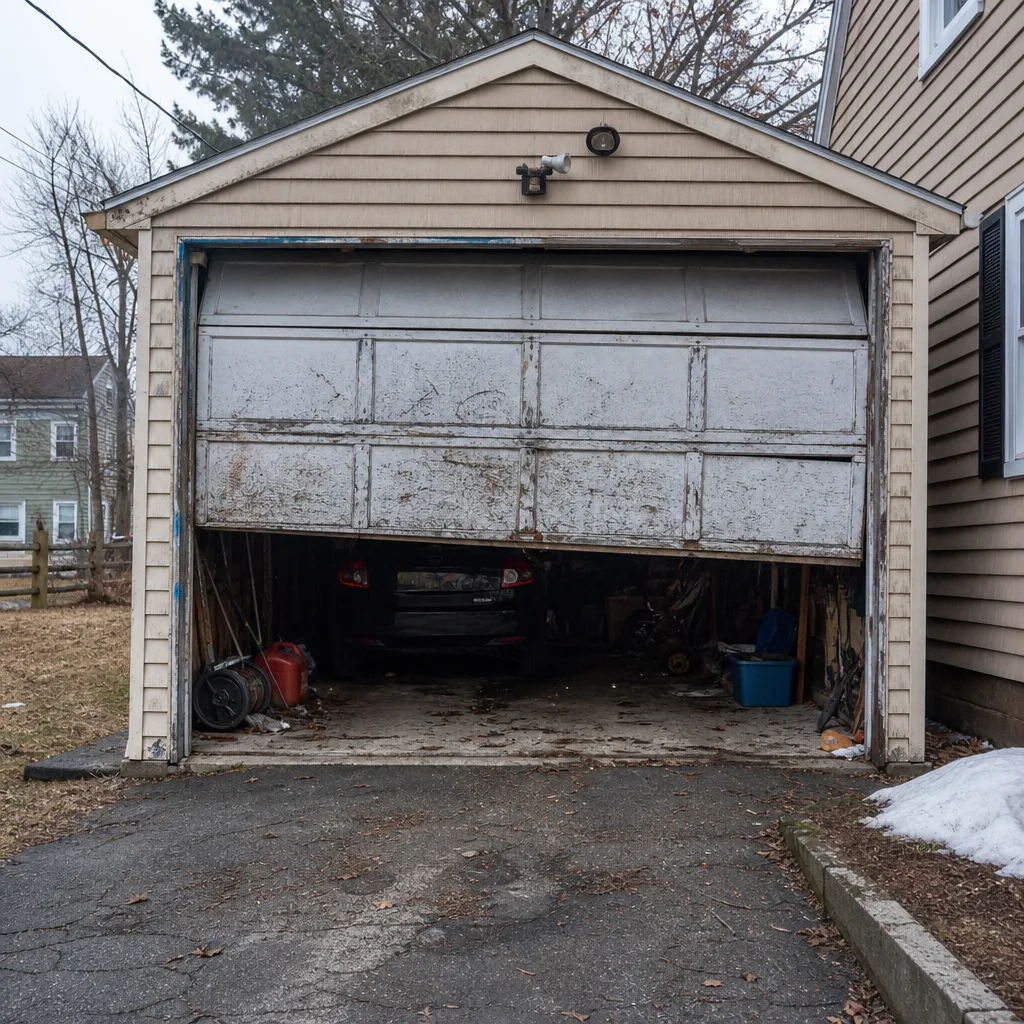 Before
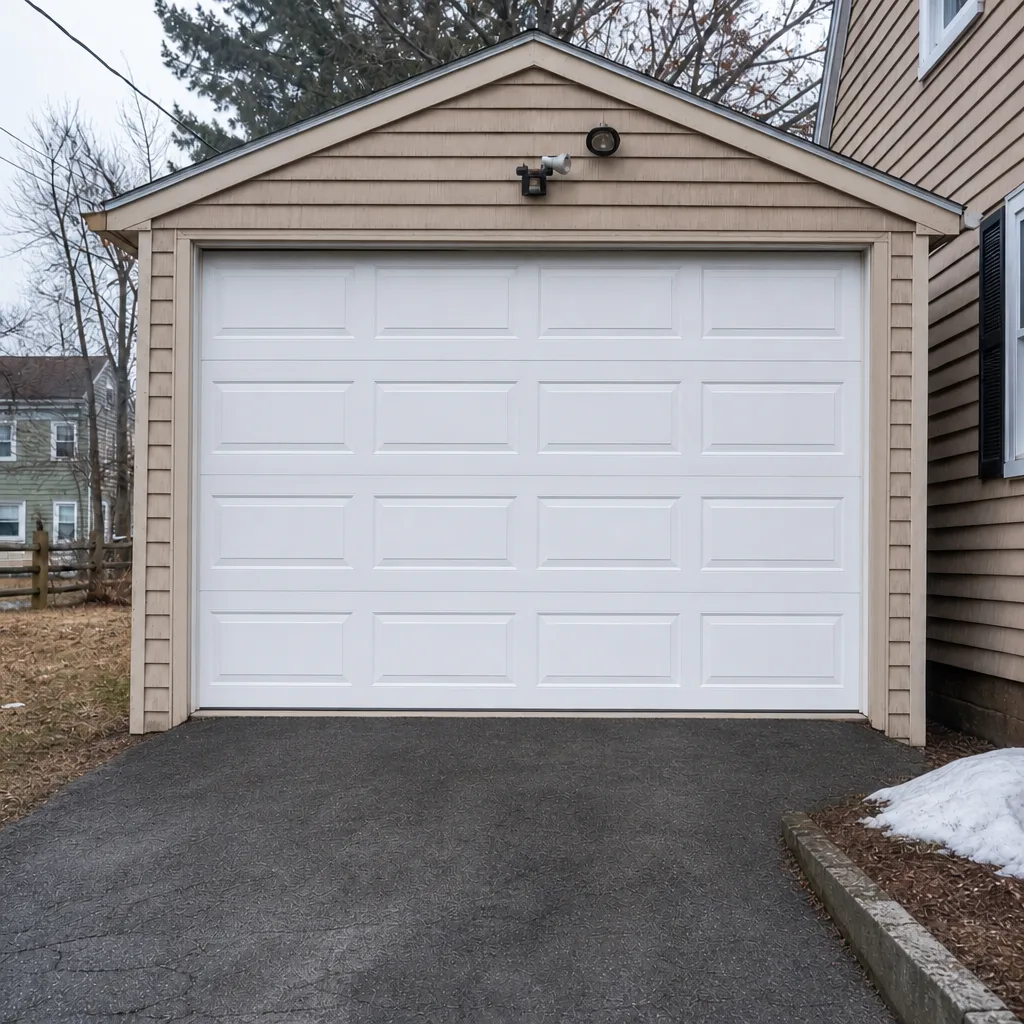 After
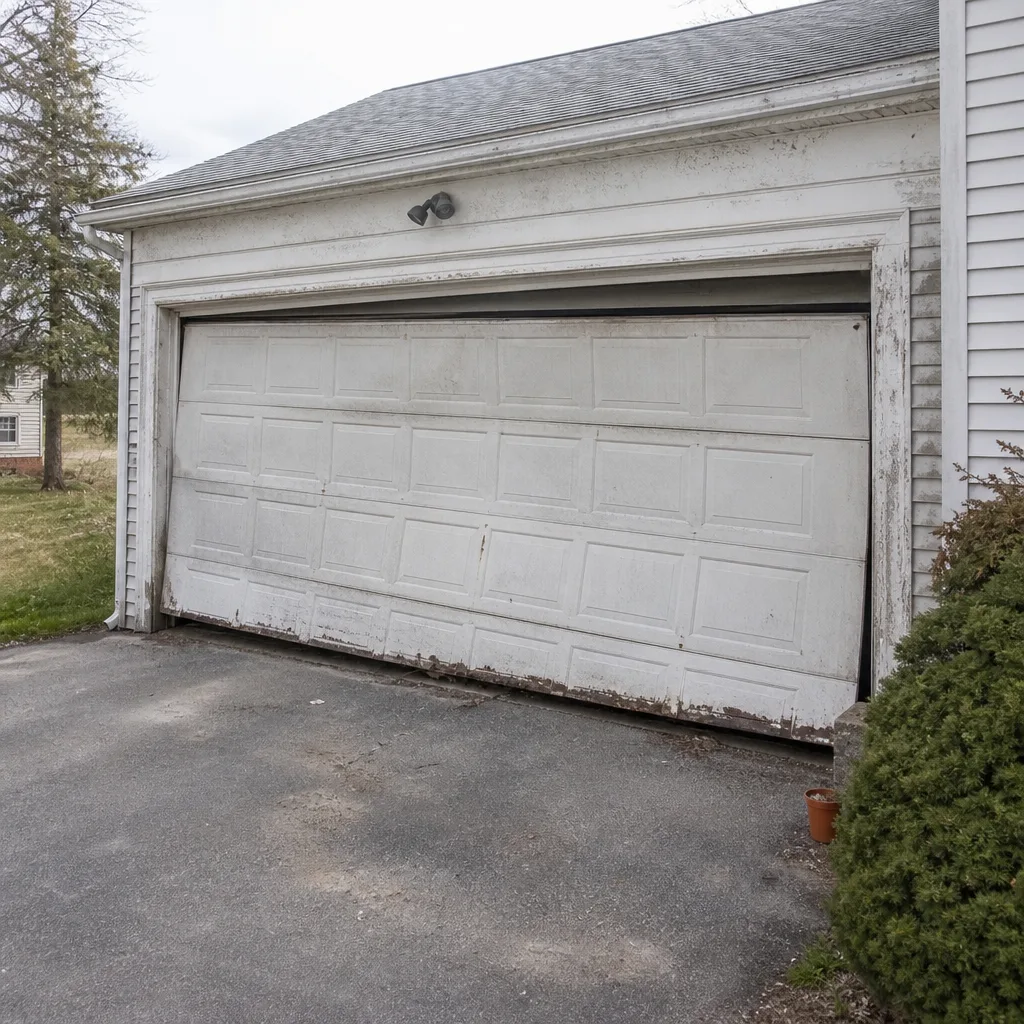 Before
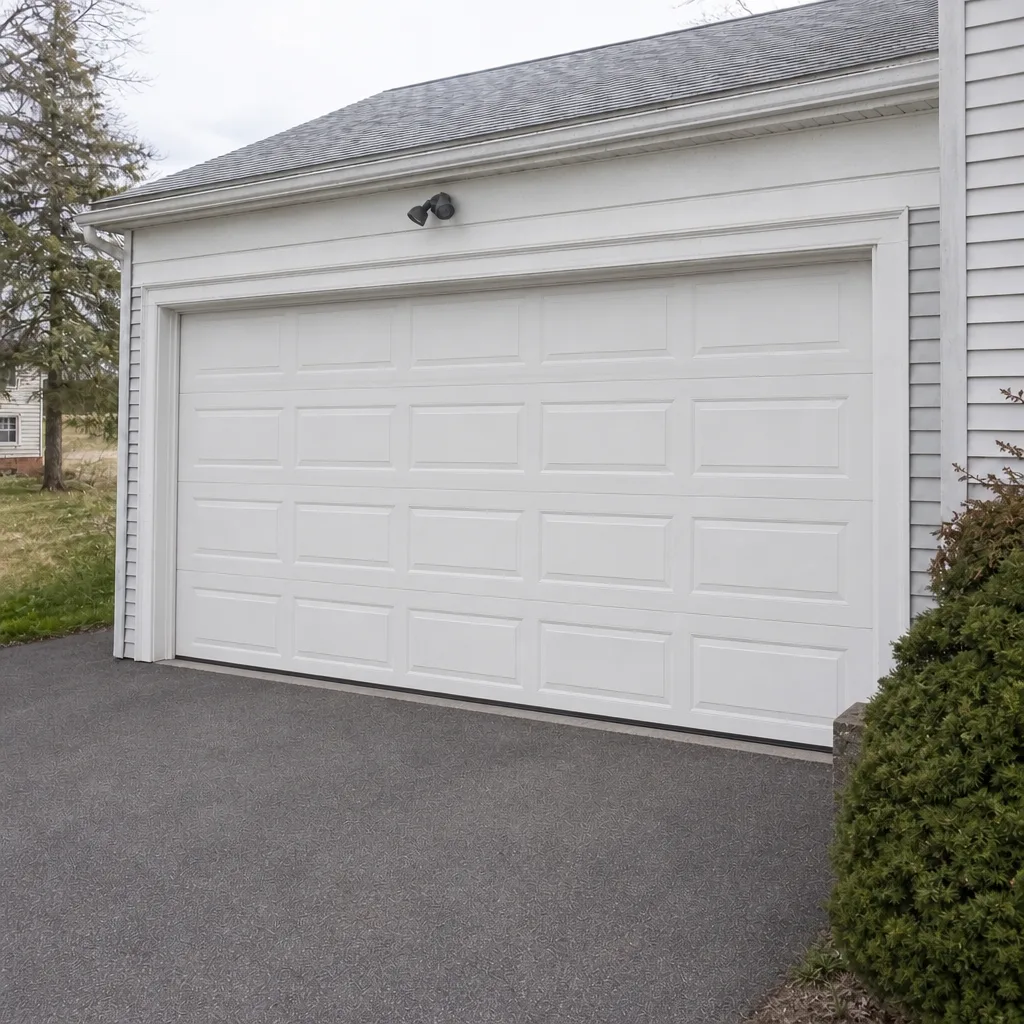 After
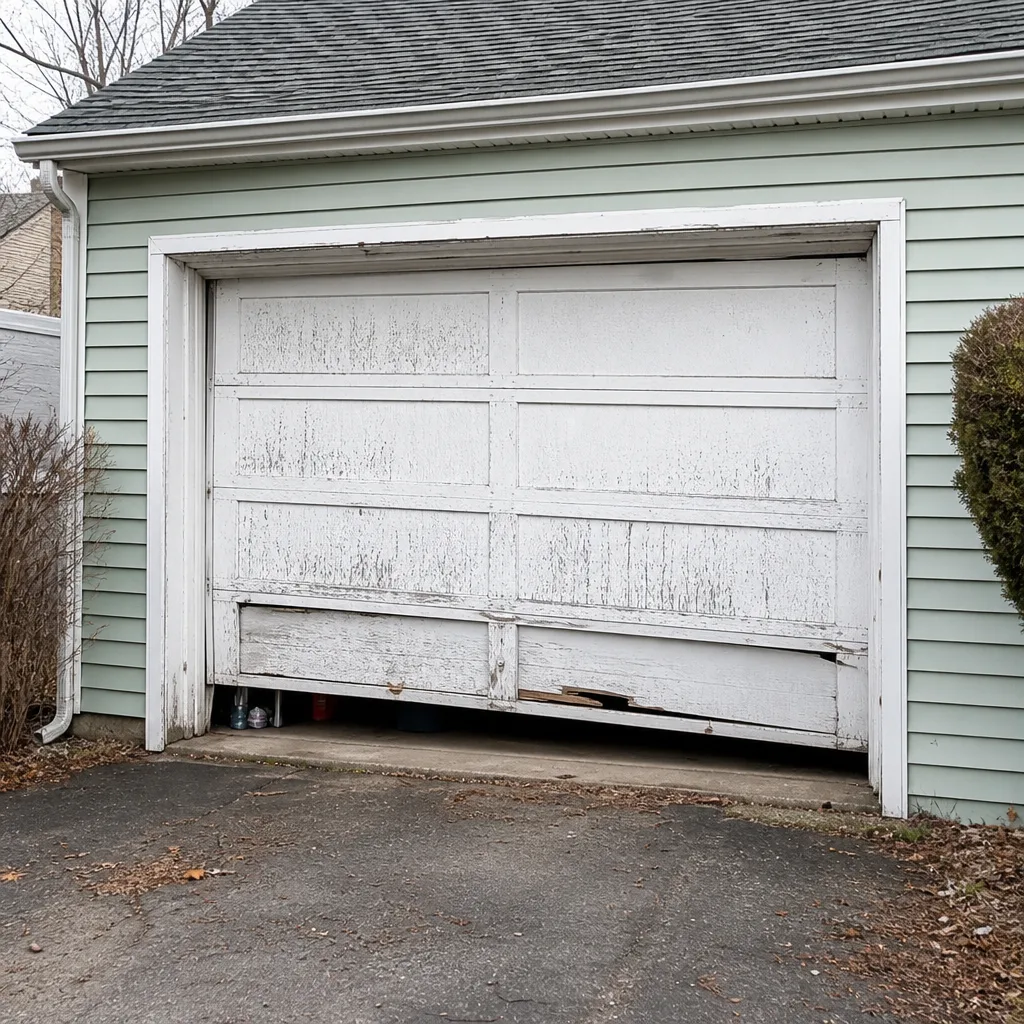 Before
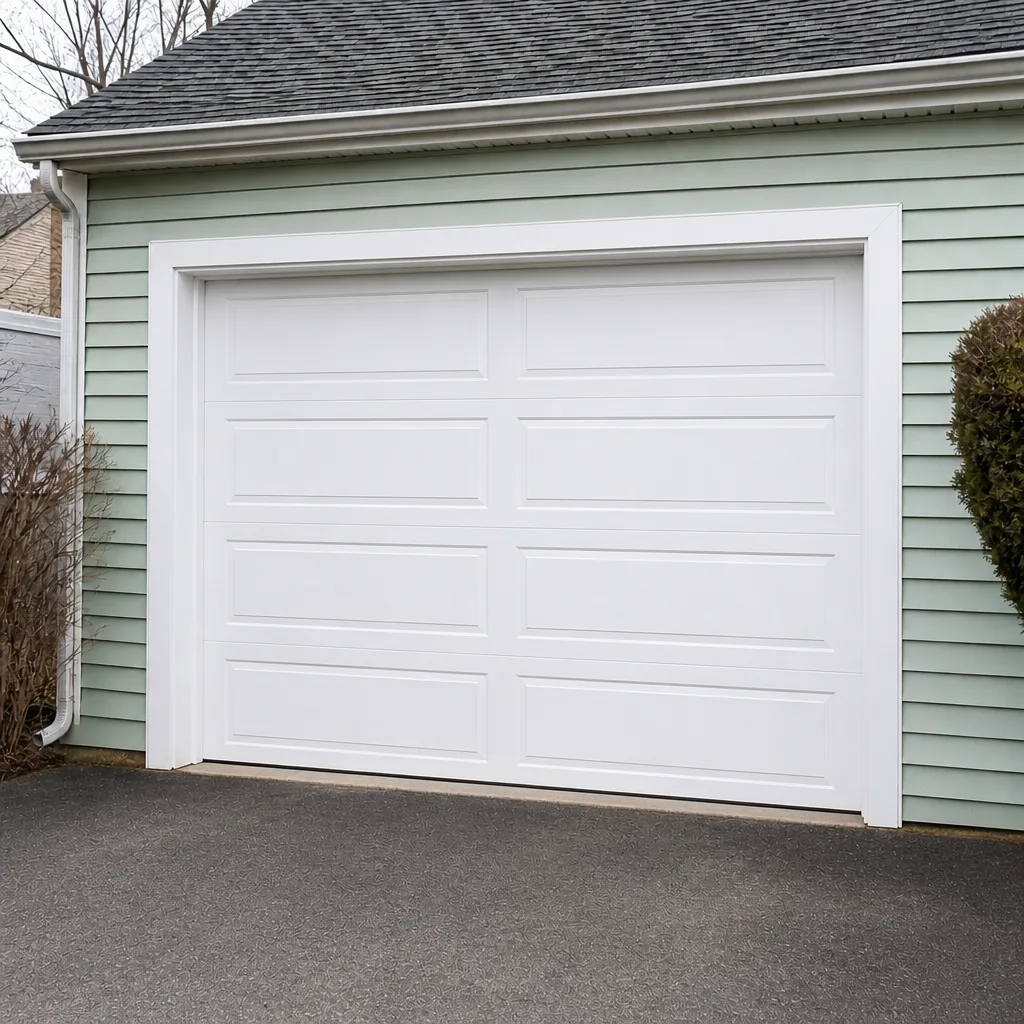 After
When to Call a Professional
Some scenarios call for a professional without hesitation: any broken or visibly relaxed spring, any cable showing broken strands or slack on one side, any door that’s stuck open or refusing to close, any door that reverses immediately after touching the floor, and any opener that clicks but won’t move the door. If you’re unsure, call anyway; a five-minute diagnosis is cheaper than a door that fails at the worst moment. Our team at Woburn Garage Door Repair Pros offers free estimates in Woburn, and our technician can usually tell you whether the issue is a repair or a full replacement before anything is ordered. Pricing is confirmed in writing before any work starts, so the number on the estimate is the number on the invoice. Call (877) 792-5970 and we’ll get you on the schedule.
Frequently Asked Questions
Spring repair in Woburn typically ranges from about $180 to $340 for a single torsion or extension spring, and roughly twice that for a matched pair, since pairs are usually replaced together. The written estimate sets the final price, so nothing is added after the work begins. Call (877) 792-5970 for an exact quote – estimates are free.
Most repair jobs we handle in Woburn can be diagnosed and fixed the same day, and emergency service is available when a door is stuck open or stuck closed. Because we stock and source parts for LiftMaster, Chamberlain, Genie, Clopay, Amarr, Wayne Dalton, Craftsman, and Raynor systems, most repairs don’t wait on special orders. Call (877) 792-5970 and we’ll tell you what we can do today.
No. WD-40 is a water displacer, not a lasting lubricant, and on springs it leaves a sticky residue that attracts grit and accelerates wear. Use lithium-based grease on springs and hinges, and silicone spray on the weather seal. If your springs are already groaning or visibly cracked, call (877) 792-5970 for an inspection.
Twice a year is the right baseline for a Woburn home: once in spring after frost heaves pass, and once in fall before the first freeze. That timing aligns with the two seasons where mechanical adjustments matter most. If your door sees heavy daily use or is over a certain age, check rollers and springs every quarter. Our technicians have up to 10 years of experience and can walk you through the right cadence for your specific door.
Winter sticking in Woburn usually traces to one of three causes: a cracked weather seal letting in water that freezes under the door, brittle rollers jamming in the track, or cold-stiffened grease adding drag that the opener can’t overcome. If your door is stuck, don’t force the opener; call (877) 792-5970 so a technician can inspect it before more damage is done.
Common signs are grinding or thumping during travel, a door that stops partway through a cycle, a remote that loses range, an overheated motor on hot days, or a clicking sound with no door movement. We repair openers from all supported brands, so we can match the right part to the right system. Call (877) 792-5970 to book a diagnostic – estimates are free.
The Bottom Line
A maintenance checklist is only useful if it’s built around the timing of real failures, not a generic list of parts. In Woburn, that means frost heaves check in spring, opener heat checks in summer, seal and roller checks in fall, and cold-weather testing through winter. Lubricate with lithium-based grease, never WD-40. Test balance with the two-foot lift test. Leave spring tension and cable work to a trained professional, because that’s a safety issue first and an inconvenience second. If your door is already binding, stuck, or making noise you haven’t heard before, our team is ready. Call us at (877) 792-5970 for a free estimate in Woburn, and we’ll quote the job in writing before any work starts.
Written by the team at Woburn Garage Door Repair Pros.