Last updated November 23, 2026
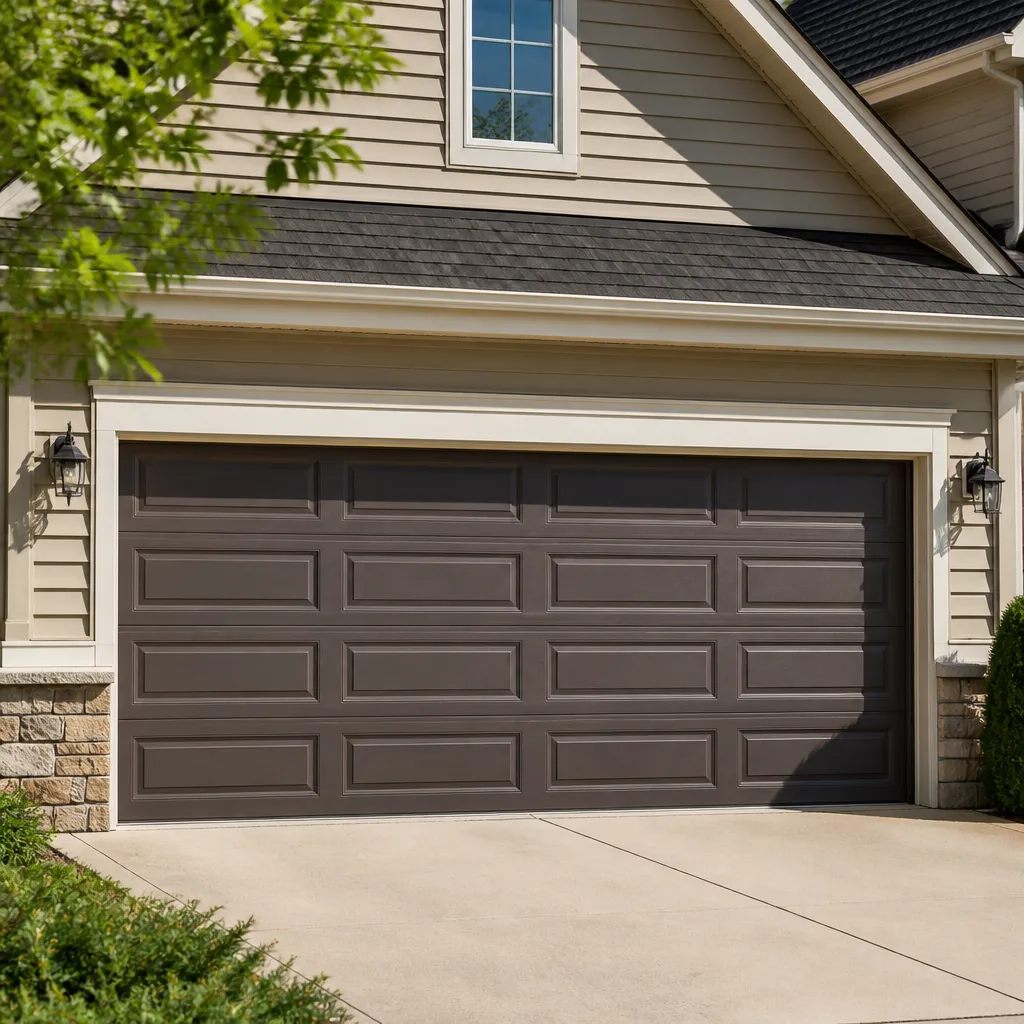 Raised-panel steel
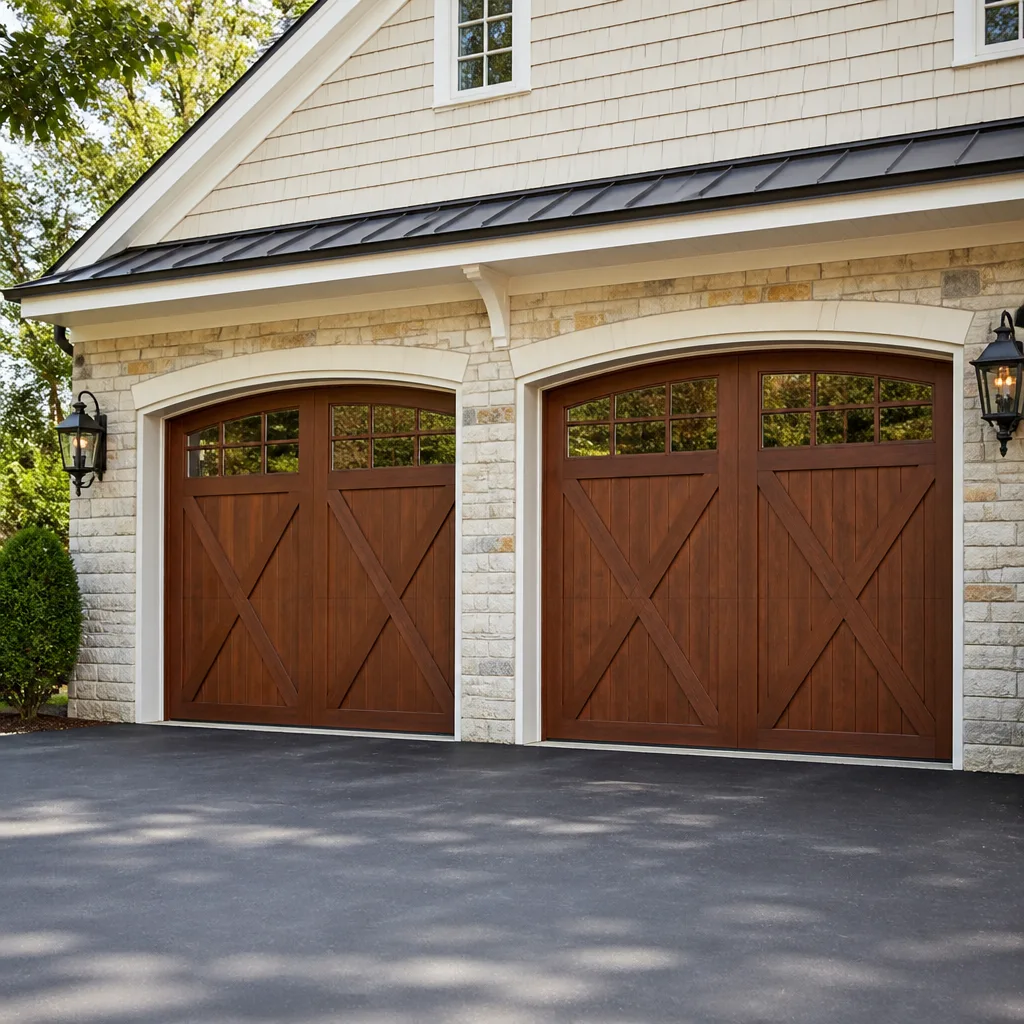 Carriage house
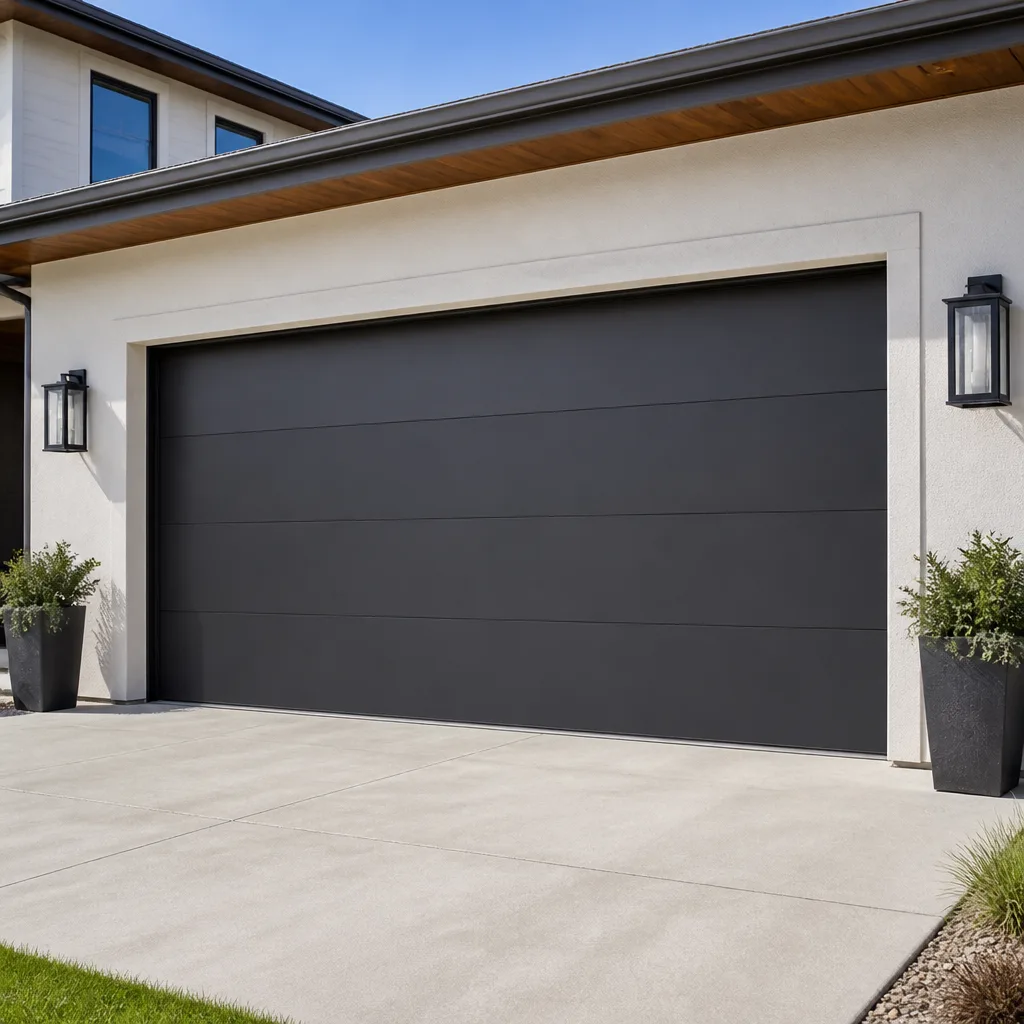 Modern flush
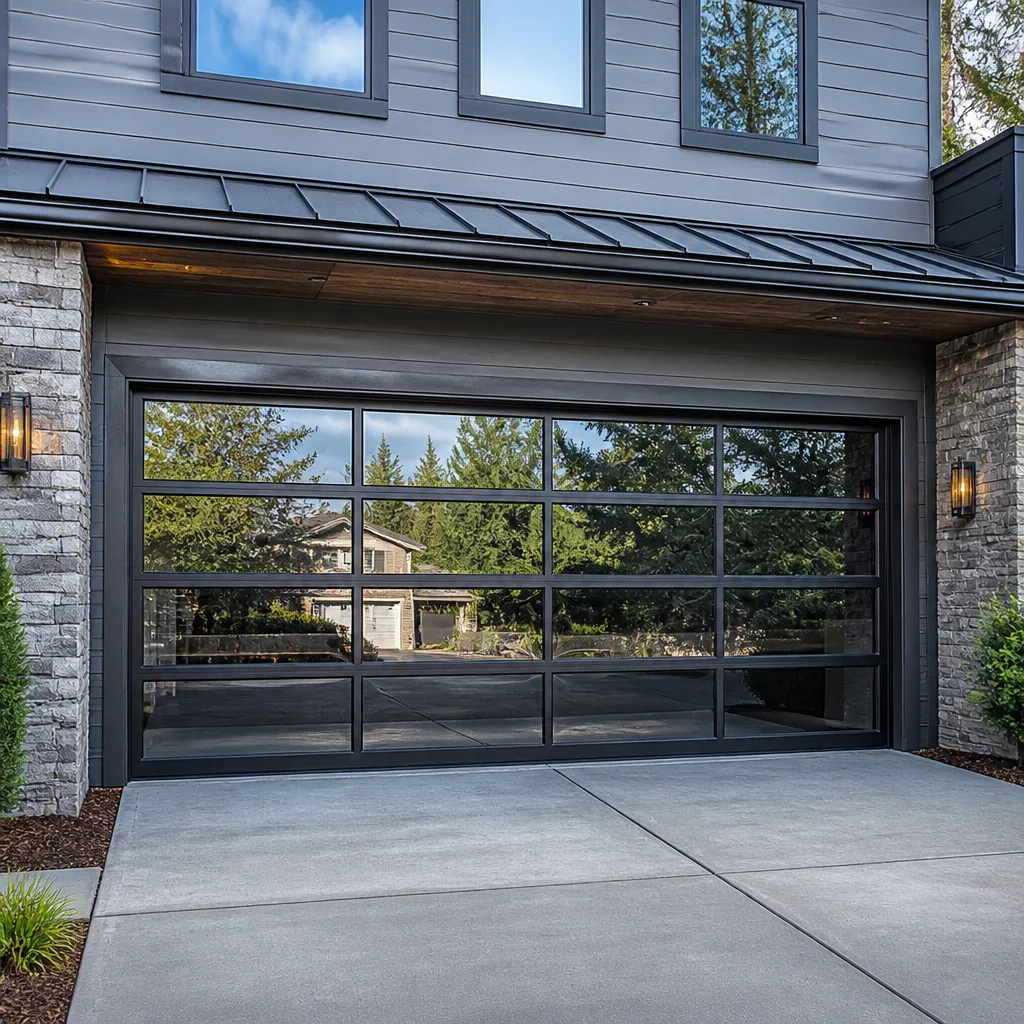 Full-view glass
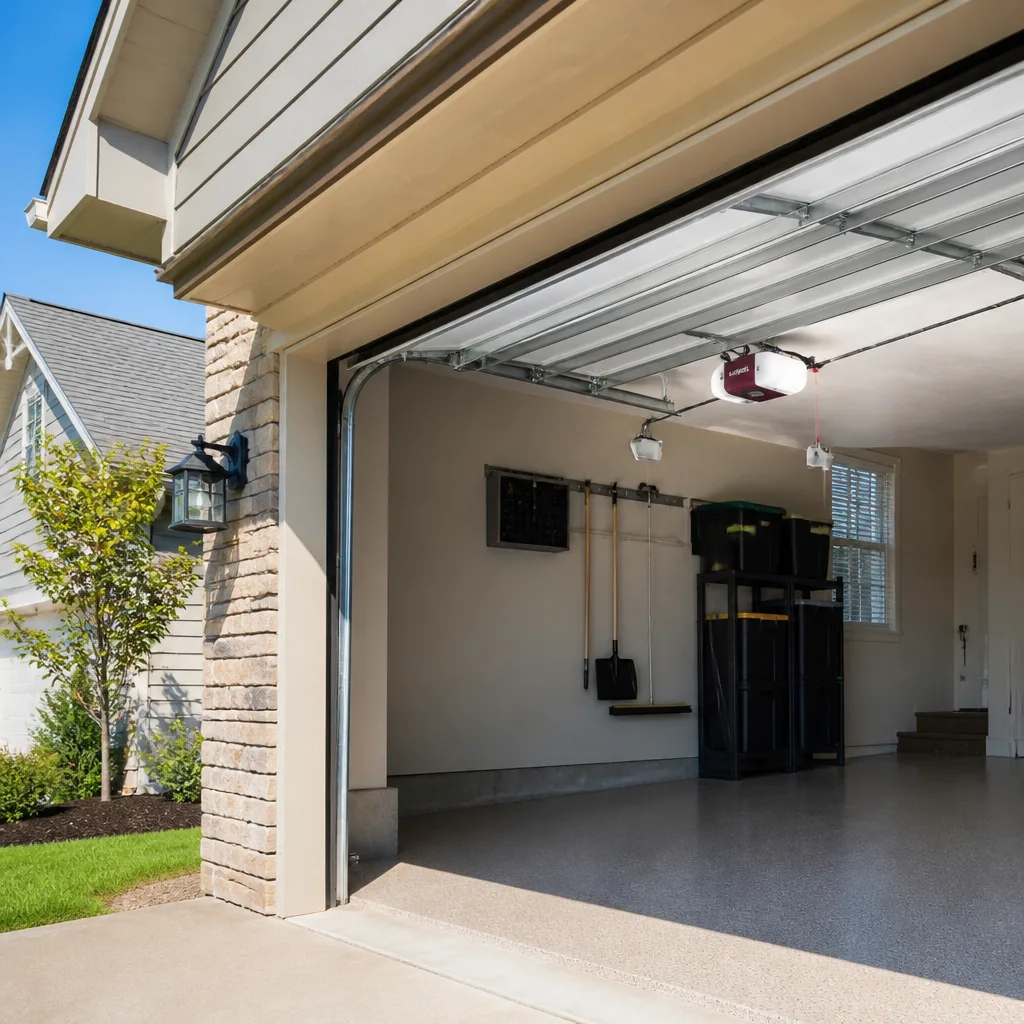 LiftMaster openers
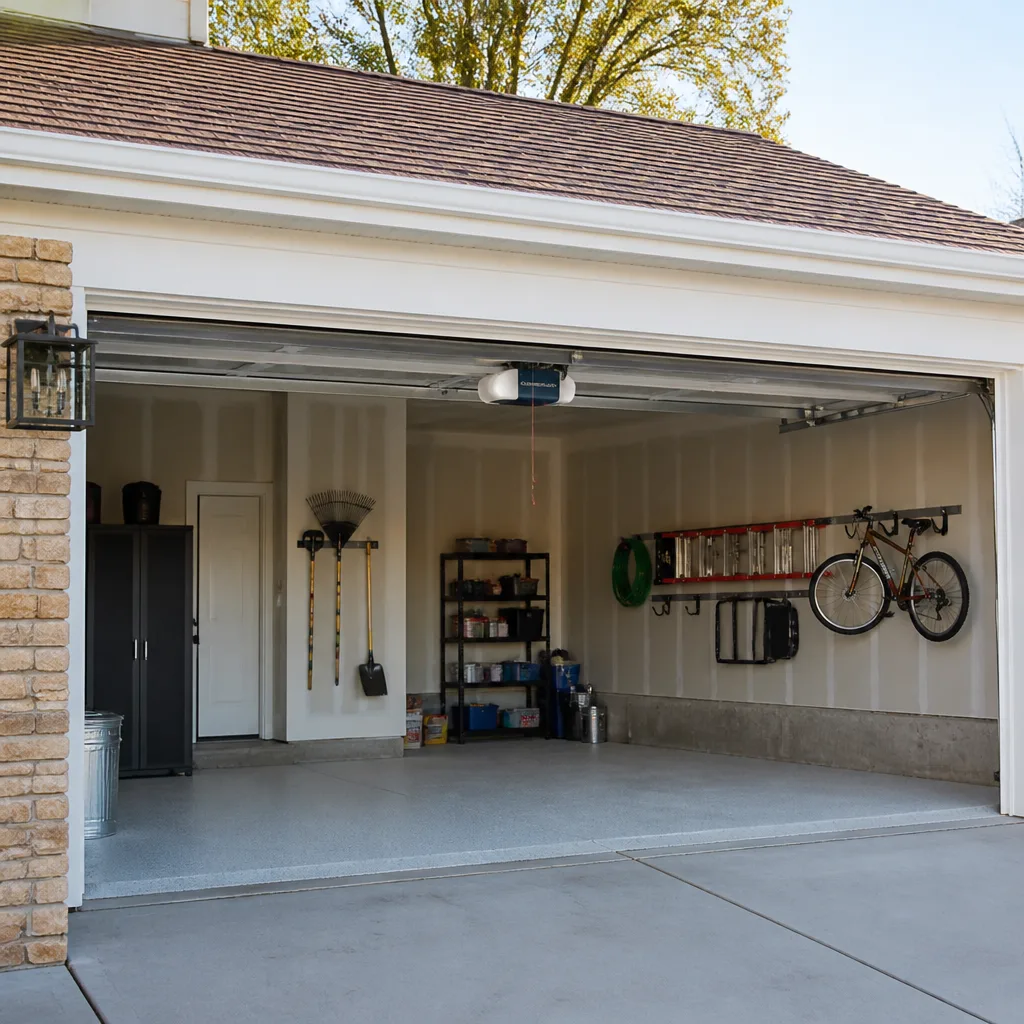 Chamberlain openers
Full 25-point door and opener safety check with every visit - springs, cables, rollers, tracks, and your LiftMaster or Chamberlain opener included
You get a price before we start. It does not change when the pro arrives.
Get your free estimateDIY vs Professional Garage Door: The Woburn Homeowner’s Decision Guide
You can safely replace a bottom weather seal yourself. You cannot safely adjust torsion spring tension yourself. That’s not an opinion from a contractor protecting his revenue – it follows from the physics of stored energy in a wound spring. Most “DIY vs professional” advice treats the garage door as one job, but it’s really a dozen separate components, each with its own risk profile and failure mode. Some parts reward a patient homeowner with a screwdriver and an afternoon. Others can maim you before you realize you’ve made a mistake. This guide draws the line at the component level. You’ll learn which repairs are genuinely within reach for a careful homeowner, which ones quietly require specialty tools, how to spot a dangerous tutorial, and when the math tilts toward paying a professional in Woburn.
Quick Answer
Roughly half of common garage door repairs are safe for a careful homeowner: weather seals, photo-eye realignment, lubrication, and remote reprogramming. Everything that involves the springs, the cables, or the torsion assembly should go to a trained technician because those components store enough energy to cause serious injury in a fraction of a second. For opener electronics and anything involving the door’s balance, a professional diagnosis usually saves money once you count the tools and the risk of a second service call.
Styles & brands we work with
- Raised-panel steel
- Carriage house
- Modern flush
- Full-view glass
- LiftMaster openers
- Chamberlain openers
Table of Contents
- Where the DIY Line Actually Falls
- The Stored-Energy Math: Why Springs Are Different
- Genuinely DIY-Safe Tasks (And How to Do Them)
- DIY-Possible but Tool-Limited Jobs
- How to Judge a Garage Door Tutorial
- The Cost Math: When Professional Work Is Cheaper
- Openers and Smart Systems: A Separate Discipline
- Woburn-Specific Considerations
Where the DIY Line Actually Falls
The DIY line isn’t about how hard a job looks. It’s about what happens when the repair fails. A poorly seated bottom seal lets in water and drafts – annoying but survivable. A poorly adjusted torsion spring can release its stored energy into whatever is nearby, including your hand or face. That distinction, failure mode rather than difficulty, is the only reliable way to sort garage door work.
Here’s how we’d categorize the work on a typical residential door:
- Genuinely safe for homeowners: bottom weather seal replacement, photo-eye cleaning and realignment, hinge and roller lubrication, remote reprogramming, and wiping down tracks.
- Safe with a helper and patience: track alignment tweaks on a door that’s already in good shape, replacing a cosmetic hinge, resetting a disconnected trolley.
- Professional territory: torsion spring replacement and adjustment, extension spring work, cable replacement, drum and bearing plate work, opener motor and logic board repair, panel replacement after impact.
- Never DIY: anything that requires loosening a cable under tension or winding a torsion spring without proper bars. There is no safe improvised method.
In Woburn, the housing stock runs from older capes and colonials near the center to newer construction on the edges, and the door systems vary just as widely. A Craftsman chain-drive opener from the 1990s behaves very differently from a modern LiftMaster with battery backup, and the DIY boundaries shift a little depending on what’s hanging above your door.
The Stored-Energy Math: Why Springs Are Different
A torsion spring on a standard 16-by-7 door carries enough stored rotational energy to lift the entire door – that’s its job. The spring is wound to counterbalance roughly the door’s weight, so at the top of travel it’s holding hundreds of pounds of force in reserve. When a spring is under adjustment, that force is live. The moment you release it incorrectly, the spring unwinds fast enough that a human reaction time is meaningless.
Think of it this way. A 16-by-7 door might weigh 150 to 200 pounds. The torsion spring doesn’t just hold that weight statically; it stores the energy required to lift it smoothly hundreds of times a year. That stored energy doesn’t disappear when the spring breaks – it releases. That’s why broken-spring calls are the ones where we hear about people who tried to help and ended up at the emergency room.
Cables are the second half of the same system. They run under tension alongside the springs, and a cable that slips or snaps can whip with enough force to break bones. There is no safe way to inspect or adjust a tensioned cable by hand.
This is precisely why spring work is a specialty, not a general handyman task. Our garage door spring repair service exists because too many homeowners in Woburn have been hurt or had their doors damaged by well-intentioned DIY attempts. Spring failure is a safety issue, not just an inconvenience.
Genuinely DIY-Safe Tasks (And How to Do Them)
The good news is that the routine maintenance that keeps a door quiet and weather-tight is entirely within reach. These are the tasks we’d hand a homeowner with confidence:
- Bottom weather seal replacement. The rubber seal at the bottom of the door slides out of a channel or attaches with screws. Cut the new seal to length, slide it in, and check that it touches the floor evenly when the door is closed. This one task prevents most water intrusion and pest entry.
- Photo-eye realignment. If the door reverses immediately on closing, the safety eyes near the floor are probably misaligned or dirty. Wipe the lenses with a soft cloth, then adjust each eye until its indicator light is solid. No tools beyond a screwdriver.
- Hinge and roller lubrication. A few drops of garage-door lubricant on each hinge pivot and roller bearing quiets a noisy door and extends roller life. Don’t use standard WD-40 as a lubricant – it attracts dust.
- Remote reprogramming. Most LiftMaster and Chamberlain remotes can be re-paired in under a minute using the learn button on the opener head. The manual for your model spells out the button sequence, and it’s the same process whether you’re adding a remote or replacing one.
- Track wiping and debris clearing. A dry cloth along the inside of the vertical tracks removes grit that accelerates roller wear. Skip any lubricant on the tracks themselves – it collects dust.
None of these tasks involve stored energy. If something goes wrong, the worst case is a door that still closes but seals poorly. That’s the definition of an acceptable failure mode.
DIY-Possible but Tool-Limited Jobs
Some jobs are physically doable by a homeowner with the right tools – but the right tools are the entire problem. Torsion spring work requires a pair of winding bars sized to the spring’s winding cone, and those bars aren’t sold at most hardware stores. They’re specialty tools, and they exist for a reason: they fit, they hold, and they let a technician control the release.
We’ve seen the aftermath of the screwdriver method more than once. A screwdriver doesn’t fit the winding cone, so it slips. When it slips under load, the spring unwinds and the tool becomes a projectile. The same goes for vice grips, pipe wrenches, and anything else not designed for the job. This isn’t a technique problem – it’s a tool geometry problem, and there’s no workaround.
Other tool-limited jobs include:
- Cable replacement – requires proper crimping tools and a controlled release method for the tension.
- Bearing plate and drum replacement – needs the spring to come down first, which puts it back in the professional category.
- Opener logic board replacement – doable with a screwdriver and patience, but only if you can source the exact board for your model. Raynor and older Craftsman units in particular can be tricky to match.
If you find yourself searching for a specialty tool that costs close to what the repair would, that’s the signal to stop. The tool cost plus the learning curve plus the risk rarely beats the price of the repair itself.
How to Judge a Garage Door Tutorial
YouTube is genuinely useful for garage door maintenance – and genuinely dangerous for garage door repairs. The difference between a trustworthy tutorial and a hazardous one comes down to a few clear signals.
A trustworthy tutorial will:
- Name the specific component and its failure mode before showing any steps.
- Tell you when a job should stop and go to a professional, and mean it.
- Show the proper tools in the frame – winding bars, not screwdrivers.
- Explain the safety mechanism (like the door’s balance test) before touching anything.
- Use the actual brand and model, or say clearly that steps vary by manufacturer.
A dangerous tutorial will:
- Show a “shortcut” for spring or cable work involving improvised tools.
- Skip the balance test and go straight to the repair.
- Never mention the stored energy in the spring.
- Frame any professional handoff as a contractor upsell.
- Use generic parts advice that ignores the brand differences between a LiftMaster and a Genie system.
If a tutorial tells you to use a screwdriver in place of a winding bar, close the tab. That single detail disqualifies everything else on the page.
The Cost Math: When Professional Work Is Cheaper
DIY looks cheaper until you add up the real numbers. A professional repair bundles the correct tools, the right brand-matched part, and a warranty on the work. DIY bundles the tools, retail parts, your time, and the possibility of a second service call if the first attempt doesn’t hold.
Here’s how the math tends to shake out:
- Bottom seal: DIY almost always wins. The seal itself is inexpensive, and the job takes under an hour.
- Photo-eye fix: DIY wins. A five-minute realignment versus a service call fee.
- Remote reprogramming: DIY wins. The manual is free and the process is quick.
- Spring replacement: Professional wins by a wide margin once you factor in winding bars (which you’ll use once), retail spring cost, and the risk of a second call if the tension is wrong.
- Cable replacement: Professional wins. Retail cables are often the wrong length, and the tension release is the dangerous part.
- Opener repair: Depends on the part. A remote or a battery is DIY-friendly. A logic board or a stripped gear is usually a professional job.
There’s also the “second service call” problem. When a DIY repair fails, the professional call usually costs more than it would have the first time because the technician has to undo the first attempt. That extra labor is the hidden cost of DIY on the jobs that don’t belong in that column. Call (877) 792-5970 for an exact quote – estimates are free.
Openers and Smart Systems: A Separate Discipline
Openers are their own technical world. The door is a mechanical system; the opener is an electromechanical one with a logic board, safety sensors, and increasingly a Wi-Fi radio. A homeowner who can rebuild a bicycle brake can usually handle a remote pairing. Very few homeowners can diagnose a logic board failure or a stripped drive gear without the right parts on hand.
The brand matters more here than anywhere else on the door. A Chamberlain MyQ system talks to your phone differently than a LiftMaster with a similar feature set, and the troubleshooting steps for a Genie aren’t identical to either. When a door opens partway and stops, or the opener runs but the door doesn’t move, the diagnosis depends on knowing which system is in the housing above your car.
Our garage door opener repair service handles the full range – legacy chain drives, belt drives, screw drives, and the newer smart-drive units that pair with a phone app. We’re factory-familiar with LiftMaster and Chamberlain specifically, which is where most of the smart-home questions come from. If your opener is working but the remotes won’t pair, that’s usually a DIY fix. If the opener is making a grinding noise or the door reverses on its own, that’s a professional call.
Woburn-Specific Considerations
Woburn’s climate gives garage doors a workout. Cold winters put thermal stress on springs and weather seals, and the freeze-thaw cycle that’s routine in Woburn means a bottom seal that was fine in October can be cracked by February. Neighborhoods like the West Side and the Four Corners area see heavy tree cover, which means debris in the tracks is a recurring issue rather than a once-a-year chore.
Older homes near downtown Woburn often have original doors from the mid-20th century. Those doors have their own quirks – extension springs rather than torsion, wood panels that need tightening, and hardware that hasn’t been made in decades. If your door is older than you are, DIY repair becomes riskier because the parts are less predictable and a failure mode can surprise you.
Newer construction on the edge of Woburn tends to have modern torsion systems and smart openers, which are more reliable but less forgiving of amateur repair. A mis-wound spring on a new system can damage the door panels and the opener in one event.
Here’s how we’d frame the Woburn decision:
- Maintenance: DIY is fine year-round. Lubricate hinges in fall, check seals in spring.
- Weather seal replacement: DIY, and worth doing before the first hard freeze.
- Spring or cable problems: Call a professional. Cold-weather spring failures are common in Woburn and the risk of injury is real.
- Full door replacement: Professional. The measuring and ordering alone warrant a free measure and a written price.
Our garage door repair service covers the whole arc from a single hinge to a full panel replacement, and we work on the brand that’s actually hanging above your door, not a generic replacement. For a broader view of what we handle across the area, see Woburn Garage Door Repair Pros.
Common Mistakes to Avoid
- Using a screwdriver to wind a spring. It’s the single most common cause of DIY garage door injuries. The tool doesn’t fit the cone and it will slip.
- Lubricating the tracks. Oil on the tracks attracts grit and accelerates roller wear. Wipe them dry instead.
- Skipping the balance test. Before any repair, disconnect the opener and lift the door halfway. If it doesn’t stay put, the spring tension is off and the door needs professional attention.
- Ordering parts by photo. A spring that looks the same may have a different wire gauge or wind. In Woburn’s cold, the wrong gauge fails fast.
- Ignoring the safety eyes. A door that reverses on closing is a signal, not a nuisance. Don’t prop the sensors or tape them in place.
- Trying to replace panels without measuring the track. A panel that’s the wrong thickness won’t seat properly and can jam the door.
- Assuming “all brands” means the brand you own. If a repair shop can’t tell you which LiftMaster model it can service, it probably can’t help with the specific one in your garage.
See the difference
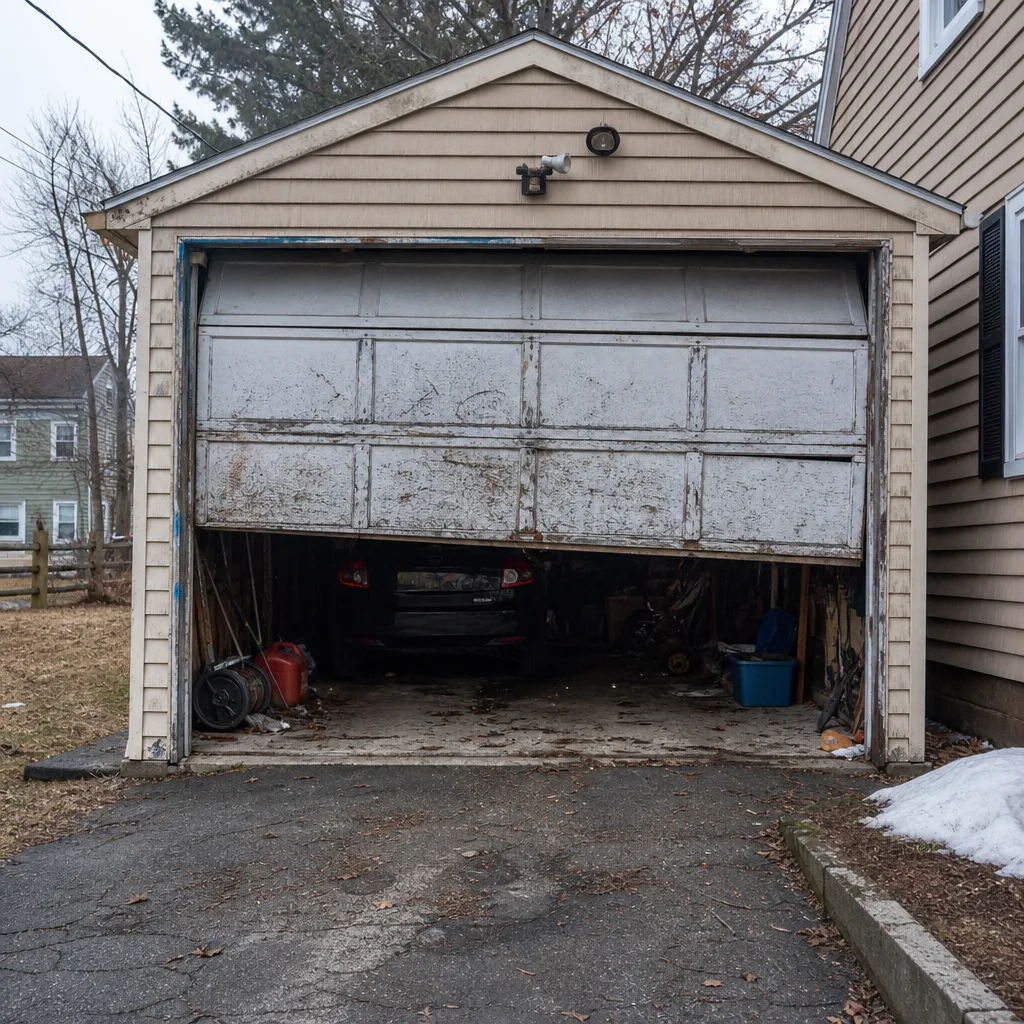 Before
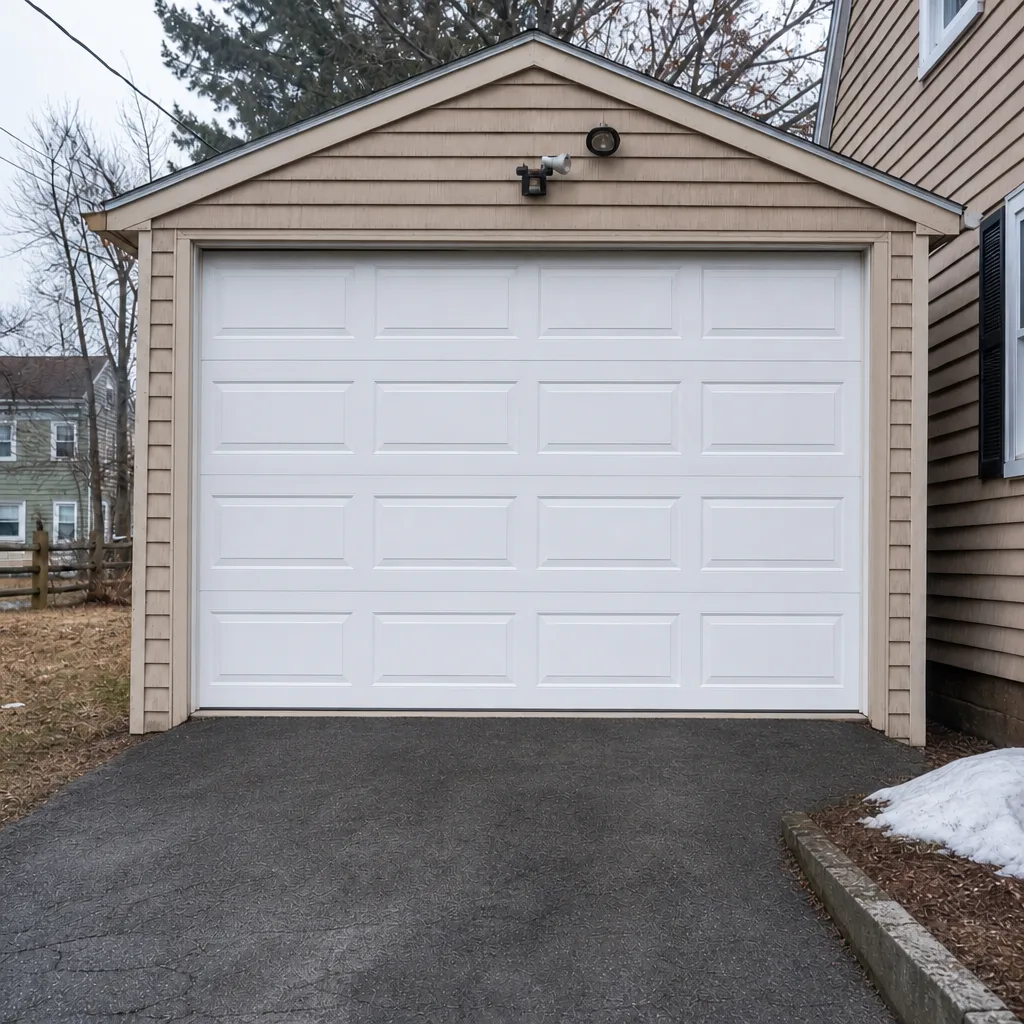 After
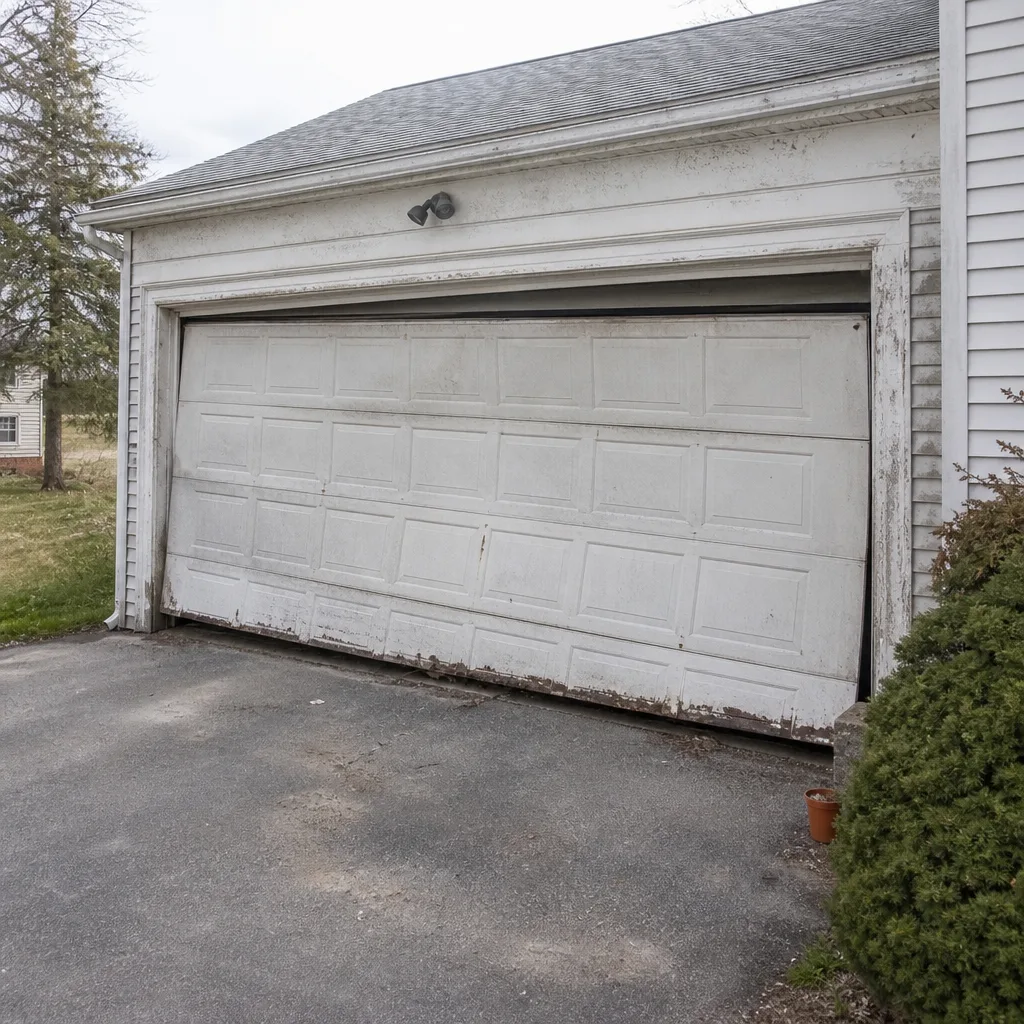 Before
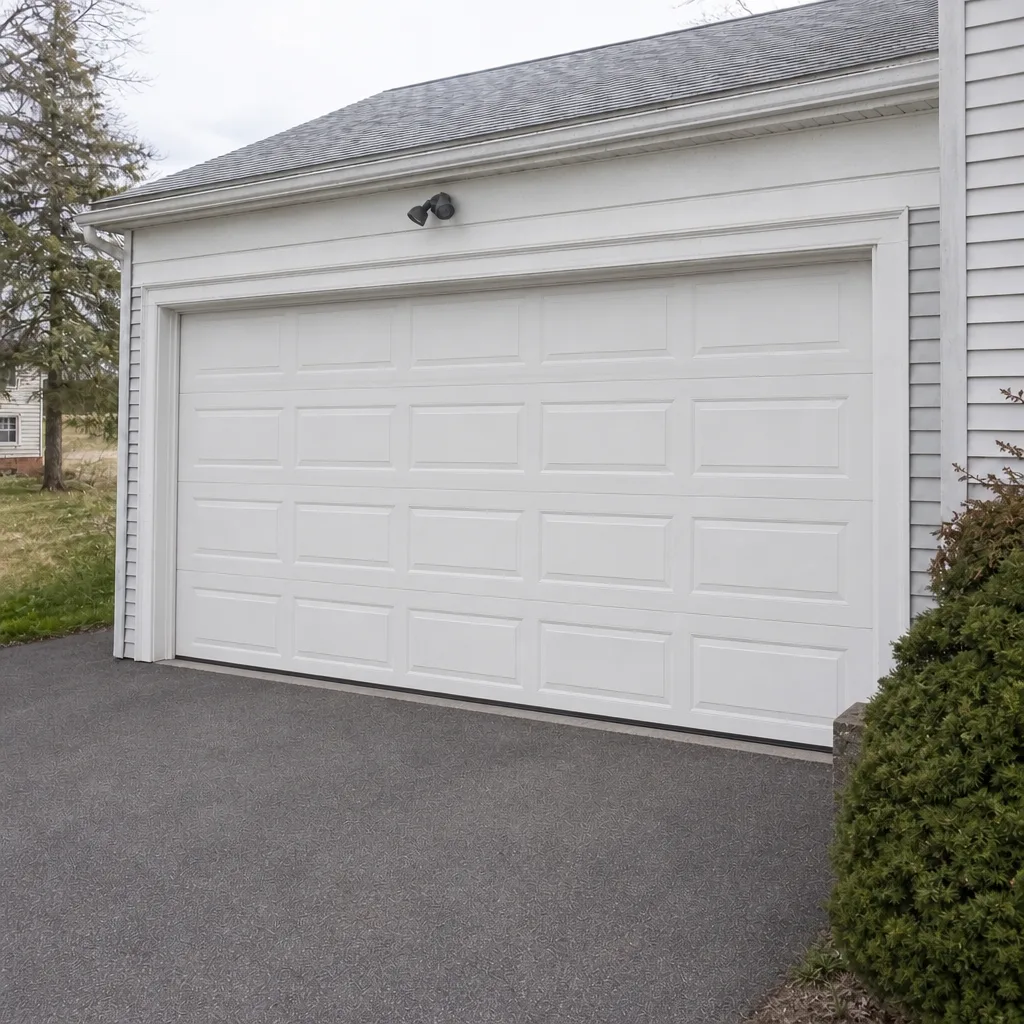 After
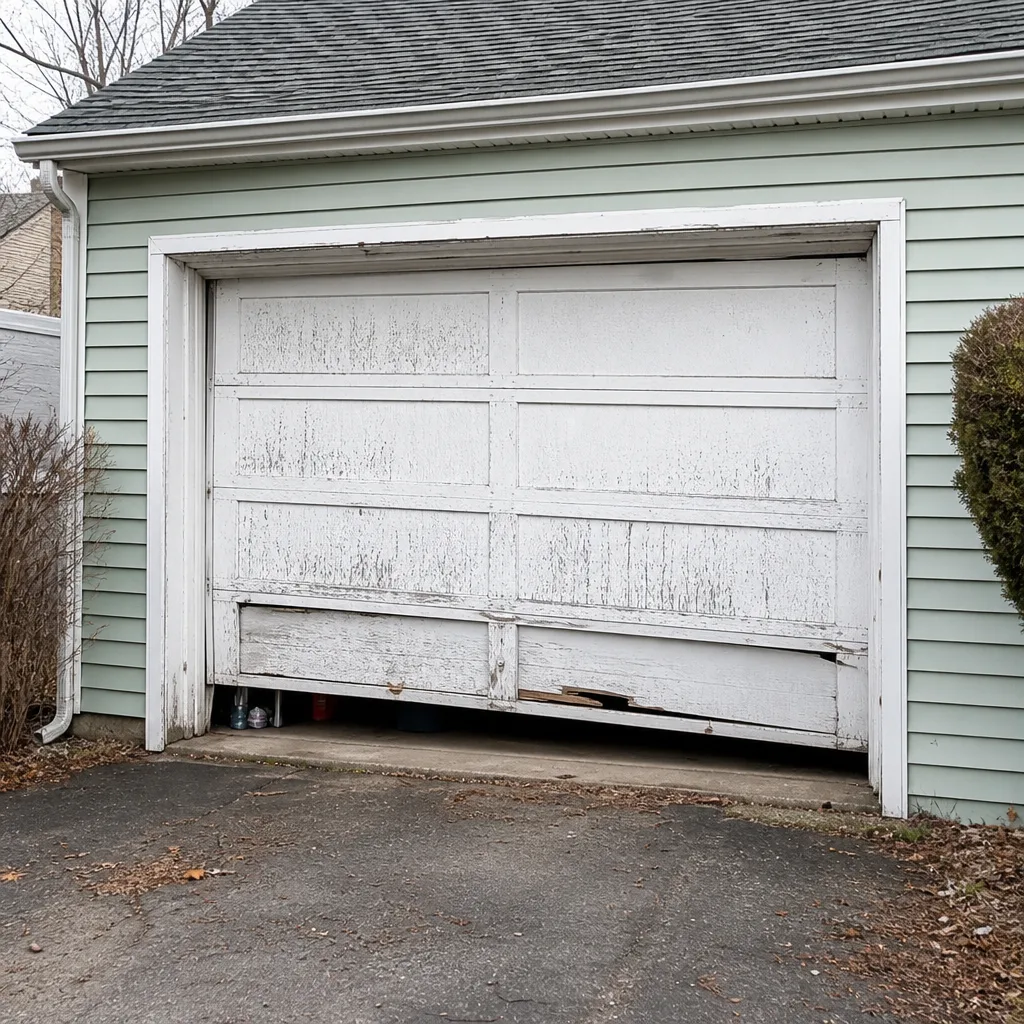 Before
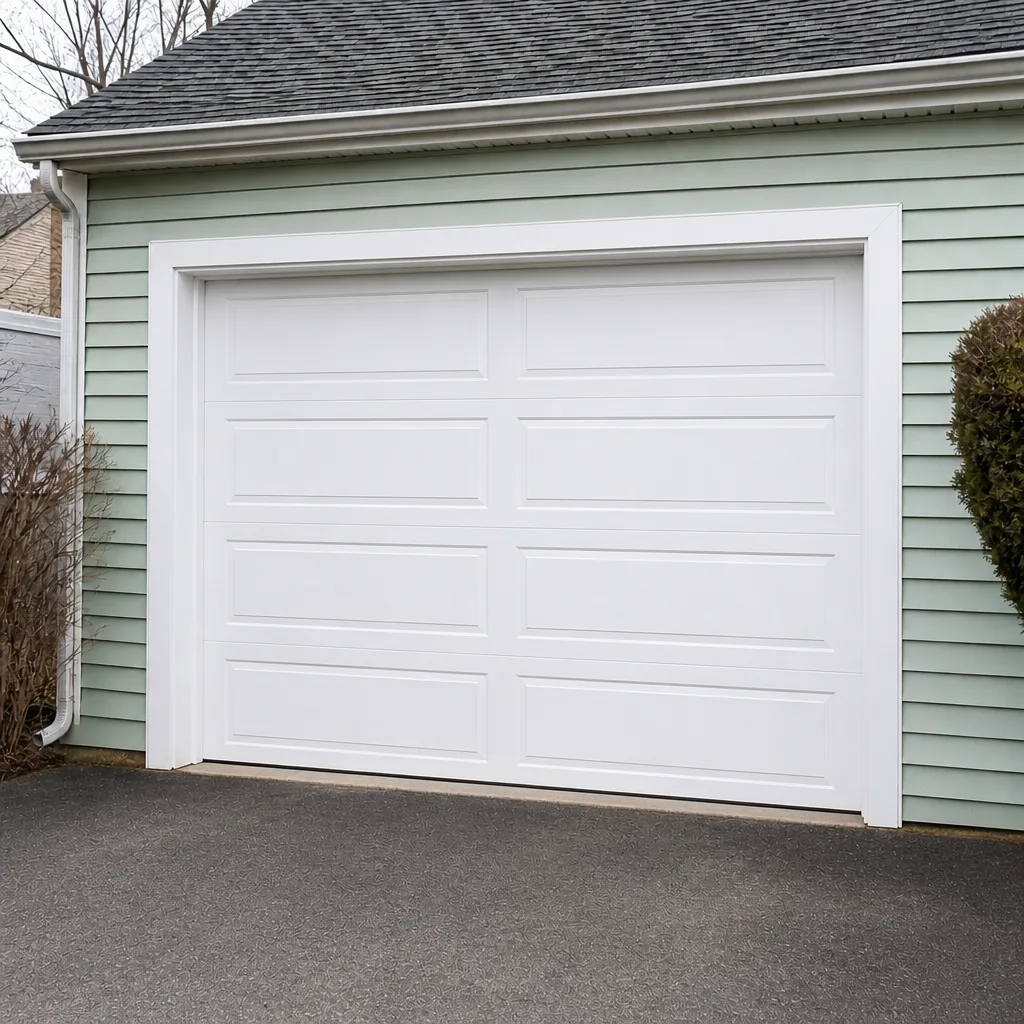 After
When to Call a Professional
Call a professional when the repair involves stored energy, when the door won’t stay balanced, when the opener moves but the door doesn’t, or when the failure could compromise your home’s security. A door stuck open in Woburn overnight is a security problem; a door stuck closed means the car doesn’t leave. Both count as urgent. We’d also add: call when you can’t name the exact part that needs replacing, because a wrong-part DIY attempt usually costs more to undo than the original repair would have cost up front.
Woburn Garage Door Repair Pros offers free estimates in Woburn – call (877) 792-5970. We work Sunday through Friday, 7am to 7pm, and we’re closed Saturday. Our technicians have up to 10 years of experience, and every price is quoted and agreed before any work starts.
Frequently Asked Questions
No. Torsion spring replacement is not a safe DIY job for a homeowner. The spring stores enough energy to cause serious injury, and the winding bars required aren’t sold at most hardware stores. Call (877) 792-5970 for spring repair – the local pro is licensed and insured as their state requires, and the price is agreed before any work starts.
Bottom weather seal replacement, photo-eye realignment, hinge and roller lubrication, remote reprogramming, and wiping down the tracks are all safe for a careful homeowner. None of them involve stored energy or a tensioned cable. If the repair involves the springs, cables, or opener internals, that’s professional work.
It depends on the job. Seal replacement, photo-eye fixes, and remote programming are cheaper DIY because the parts are inexpensive and the tools are already in your garage. Spring, cable, and opener-internal repairs usually cost more DIY once you account for specialty tools, retail parts, and the risk of a second service call if the first attempt fails. Call (877) 792-5970 for a free estimate.
No. We’re closed Saturday. We’re open Sunday through Friday, 7am to 7pm, and those are the hours we schedule estimates and repairs. If a door fails on a Saturday, call and we’ll book you for Sunday.
Not without your agreement. We quote and agree the price before any work starts, and the written estimate sets the final price. If we find something the initial diagnosis missed, we tell you and re-quote before touching the door. Call (877) 792-5970 for a free estimate.
Yes, in most cases. Stuck open or stuck closed, we treat it as urgent, and same-day availability is the goal for emergency calls in Woburn. Call (877) 792-5970 and we’ll confirm a window. The local pro is licensed and insured as their state requires, and the price is agreed before any work begins.
The Bottom Line
The DIY question for garage doors isn’t about your competence – it’s about failure modes. Weather seals, photo-eye fixes, lubrication, and remote programming have failure modes you can live with. Springs, cables, and opener internals do not. Once you draw that line at the component level, the decisions get easier: maintain what you can, call a professional for anything storing energy. In Woburn, the cold winters make that line a little more important, because a seal that fails in October is a small problem and a spring that fails in January is not. Woburn Garage Door Repair Pros offers free estimates in Woburn – call (877) 792-5970. For a full picture of what we handle, see our Woburn Garage Door Repair Pros overview page.
Written by the team at Woburn Garage Door Repair Pros.